Cataract Surgery

Cataract Surgery

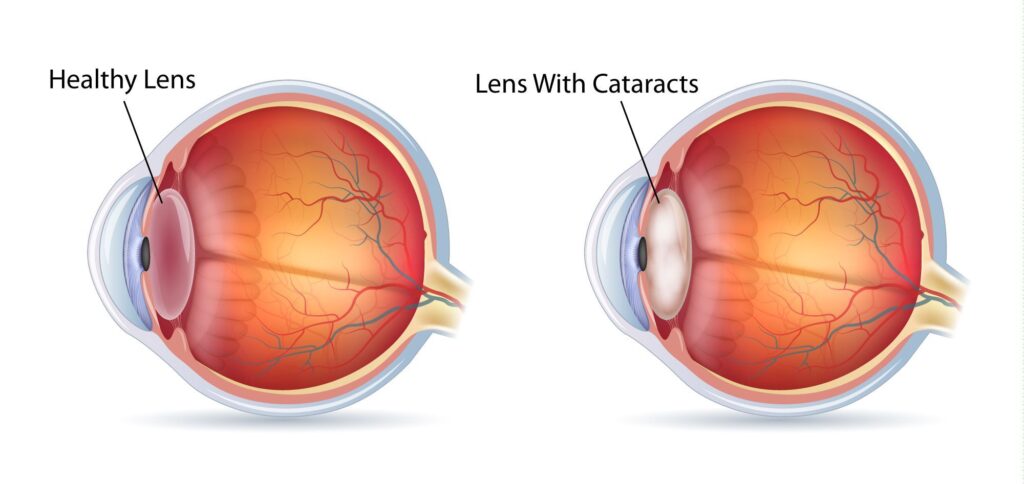
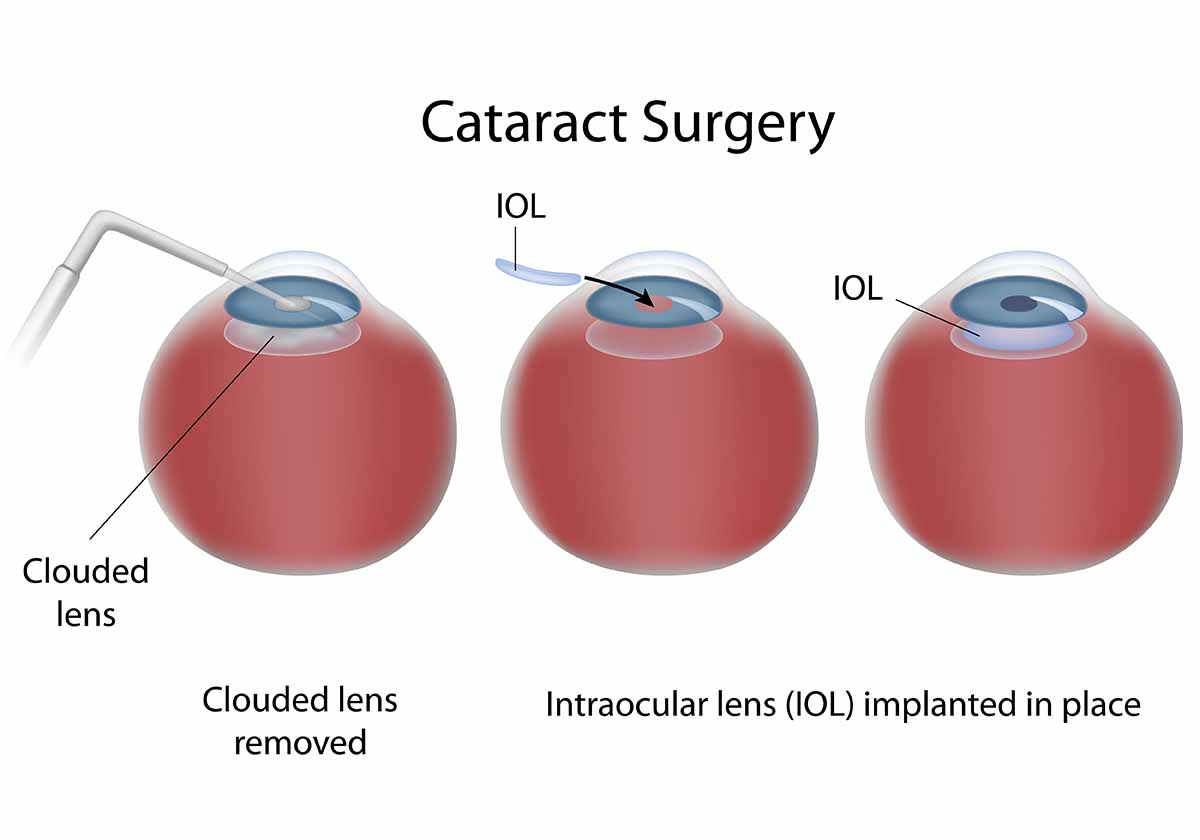
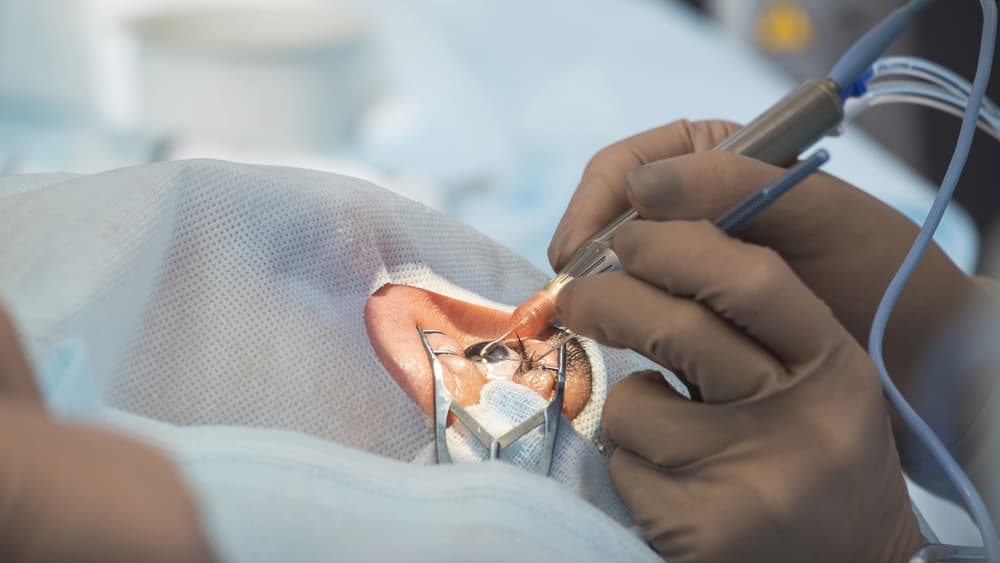
Cataract is one of the most common age-related eye conditions, where the natural lens becomes cloudy and causes blurred or dim vision. At Dr. Vishal Maniar’s Eye Clinic, we offer advanced, safe, and painless cataract removal surgery with premium intraocular lens (IOL) implants to help you regain crystal-clear vision and improve your quality of life.

With over 17 years of expertise in ophthalmology, Dr. Vishal Maniar ensures that every cataract surgery is performed with precision, using state-of-the-art technology for faster recovery and long-term results.
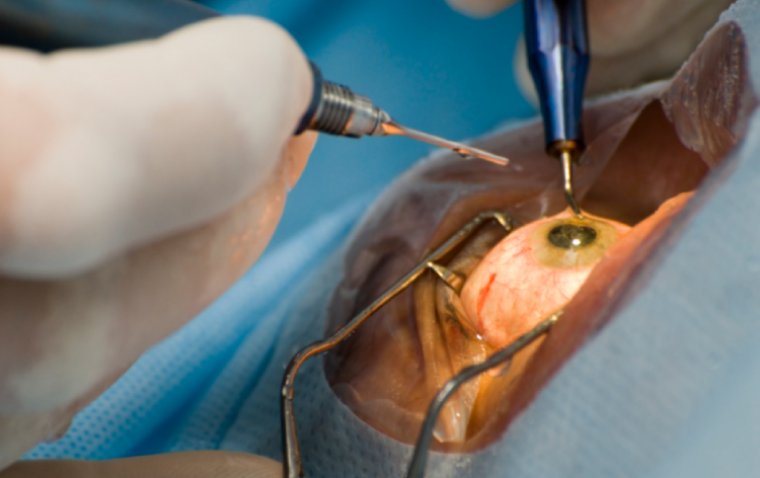
Cataract Surgery by Dr. Vishal Maniar

Cataract Surgery

Learn about symptoms, causes, treatments, recovery, and prevention of cataracts with expert care by Dr. Vishal Maniar.
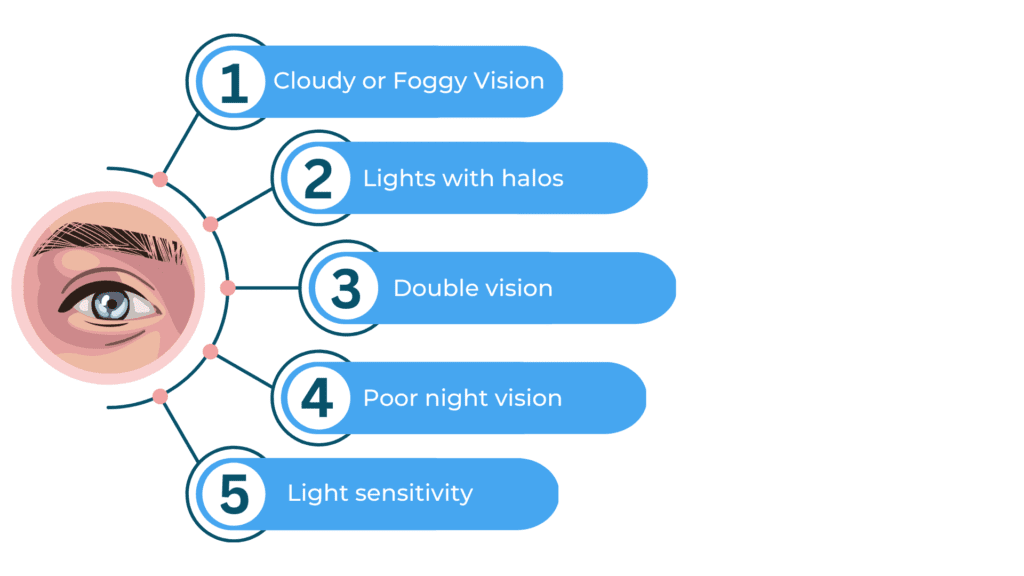
Symptoms of Cataracts

  • • Blurry or cloudy vision
  • • Difficulty seeing at night or in low light
  • • Sensitivity to bright lights and glare
  • • Halos around lights, especially while driving
  • • Faded, yellowed, or dull colors
  • • Double vision in one eye
  • • Frequent changes in eyeglass prescription
  • • Trouble reading small print even with glasses
Symptoms of Cataracts

Causes of Cataracts

Cataracts occur when proteins in the lens break down and clump together, clouding vision. Major causes include:
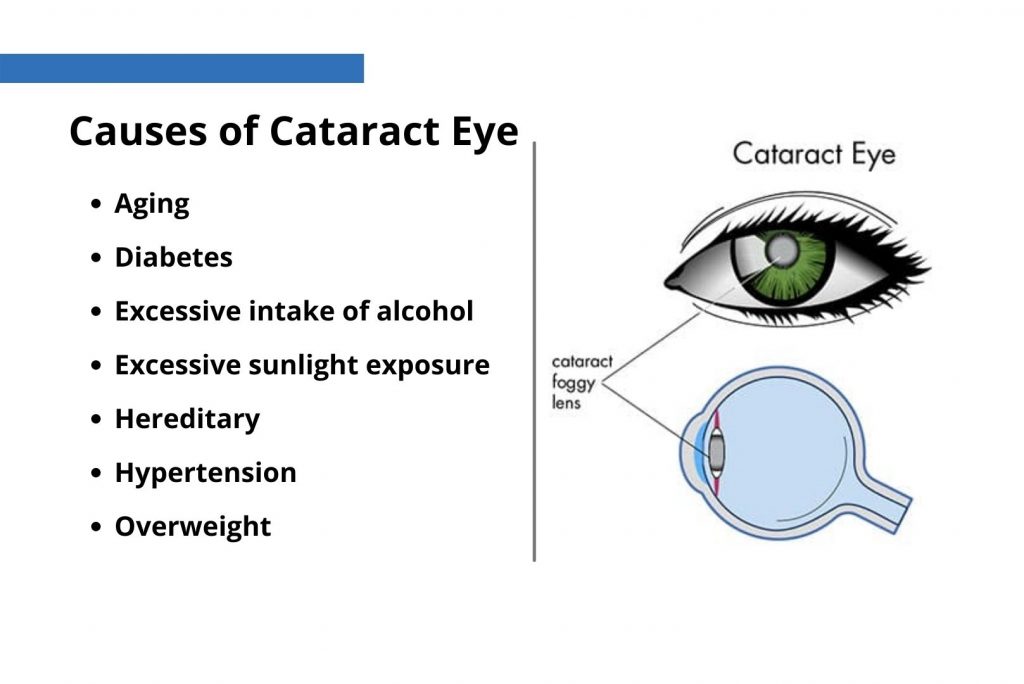
  • • Aging – most common cause
  • • Diabetes and chronic health conditions
  • • Excessive UV exposure
  • • Smoking and alcohol consumption
  • • Long-term steroid medication use
  • • Eye injuries or trauma
  • • Family history and genetics
  • • Radiation exposure or treatments
  • • Nutritional deficiencies (low antioxidants, vitamins C & E)
Causes of Cataracts

Treatment Options

While early stages may be managed with glasses and brighter lighting, surgery is the only effective cure for advanced cataracts:
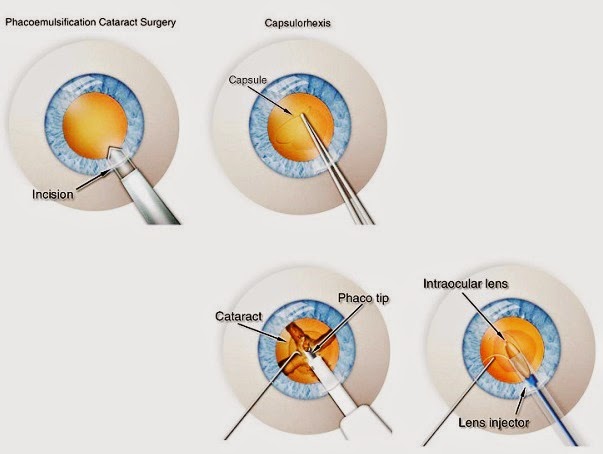
  • Phacoemulsification (Phaco Surgery): Small incision, ultrasound-based removal.
  • Laser-Assisted Cataract Surgery: Bladeless procedure with precision.
  • Extracapsular Cataract Surgery: For advanced or dense cataracts.
  • Premium IOL Implants: Multifocal, toric, or trifocal lenses for glasses-free vision.
  • Monofocal Lenses: Clear vision at one distance (usually far).
  • Toric Lenses: Correct cataracts with astigmatism.
Cataract Treatment Options

Recovery & Aftercare

Most patients see clearer vision within 1–2 days, but complete recovery may take weeks. Aftercare includes:
  • • Using prescribed eye drops
  • • Avoiding rubbing or pressing the eyes
  • • Wearing sunglasses outdoors
  • • Avoiding heavy lifting and strenuous activity
  • • Sleeping on the non-operated side
  • • Attending all follow-up appointments
  • • Maintaining a healthy lifestyle
Cataract Recovery

Prevention Tips

  • • Regular eye checkups after age 40
  • • Wearing UV-protective sunglasses outdoors
  • • Maintaining blood sugar control for diabetics
  • • Eating antioxidant-rich foods (A, C, E, lutein, omega-3s)
  • • Avoiding smoking and alcohol
  • • Using protective eyewear
  • • Managing hypertension and other conditions
Preventing Cataracts

Cataract Surgery

Everything you need to know about cataracts — symptoms, diagnosis, treatment, and why Dr. Vishal Maniar is trusted for advanced care.
What are Cataracts

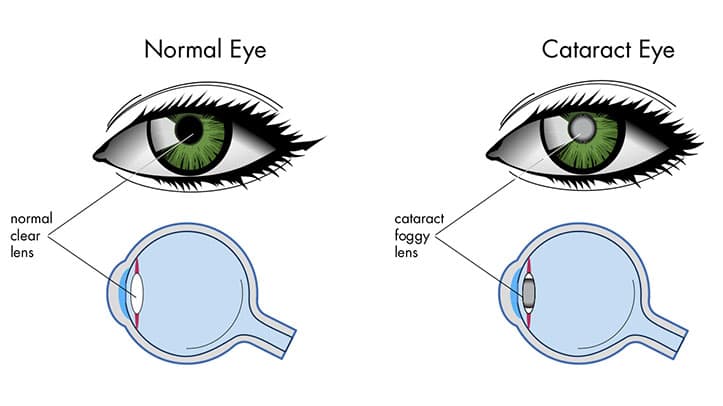
What Are Cataracts?

Cataracts cloud the eye’s natural lens, causing blurry or dim vision. If untreated, they can progress and even cause blindness.
Types of Cataracts

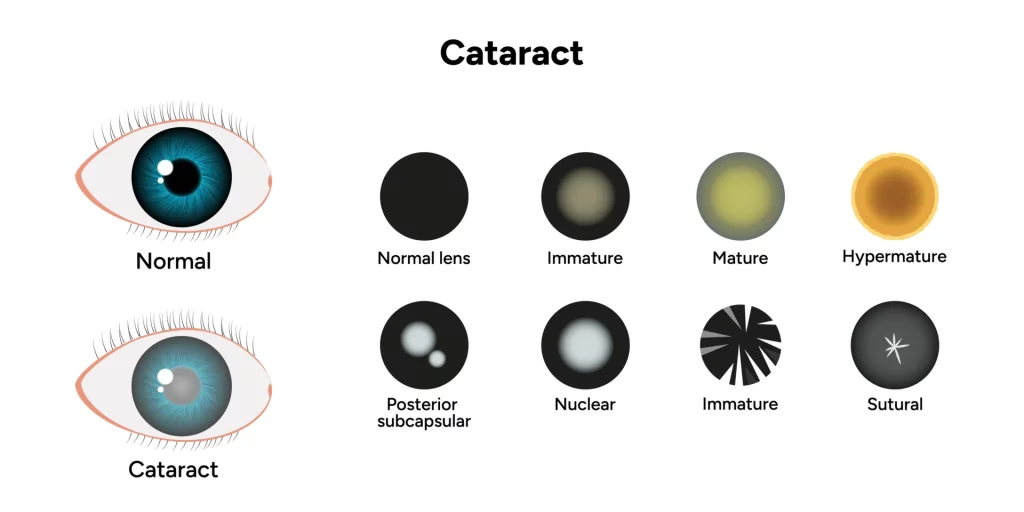
Types of Cataracts

  • Nuclear: Center of lens, common with aging
  • Cortical: Starts at lens edges
  • Posterior: Back of lens, affects reading
  • Congenital: From birth
  • Secondary: After surgery/disease
  • Traumatic: Caused by injury
Diagnosis of Cataracts

Diagnosis

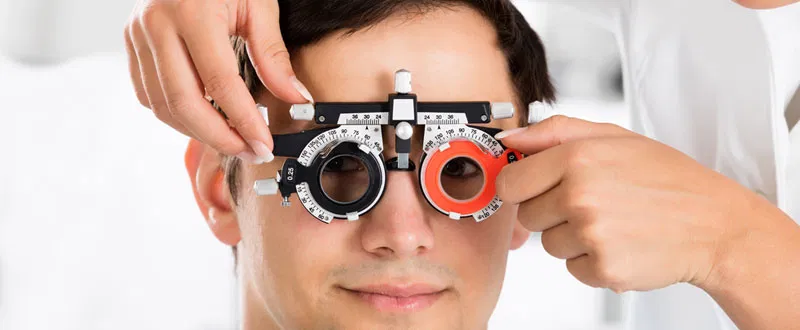
  • Visual Acuity: Clarity at distances
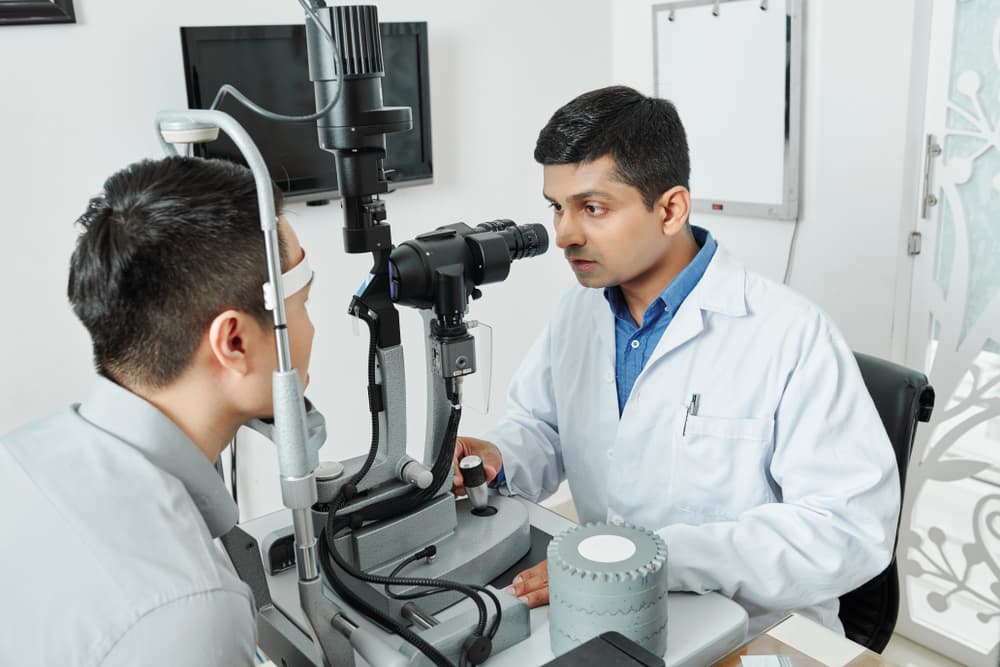
  • Slit-Lamp: Examines lens & cornea
  • Retinal Exam: Retina check post dilation
  • Tonometry: Eye pressure test
Candidate for Cataract Surgery

Who is a Candidate?

  • Blurred or dim vision
  • Struggle with night driving
  • Daily activities impacted
  • Glasses no longer help
  • Progression seen in exams
Benefits of Cataract Surgery

Benefits

  • Clear & sharp vision
  • Improved colors
  • Better night vision
  • Independence in daily tasks
  • Reduced need for glasses
Risks of Cataract Surgery

Risks

Cataract surgery is very safe, but risks may include infection, swelling, secondary cataract, lens dislocation, or (rarely) retinal detachment. Most are treatable with prompt care.