Perimetry Test

Perimetry Test

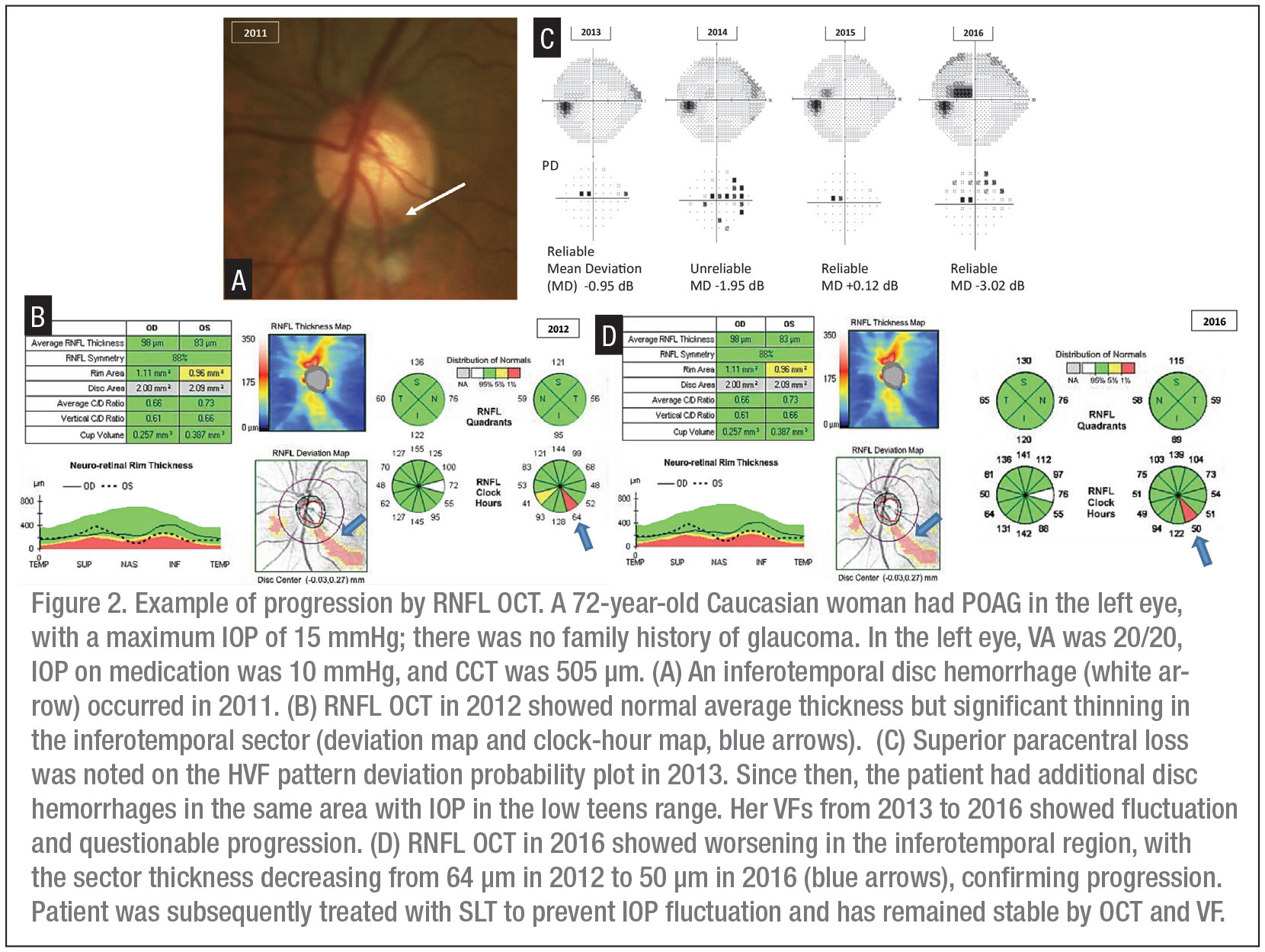
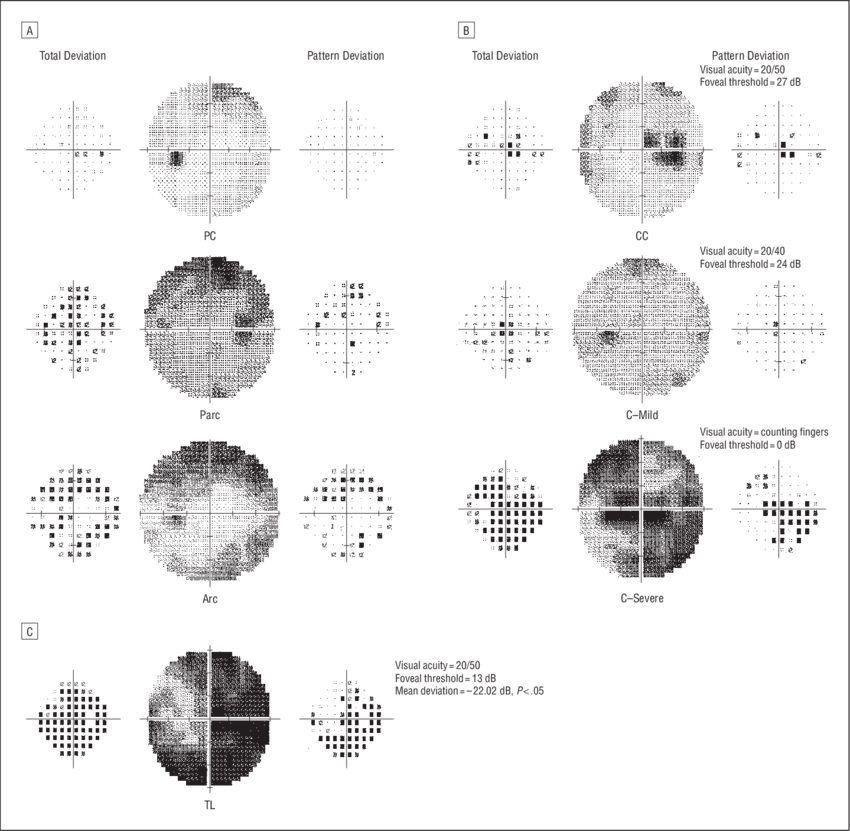
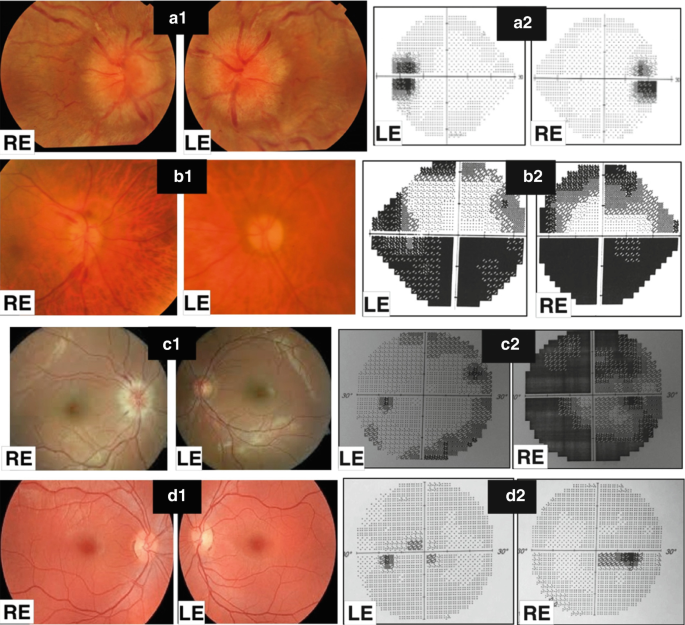
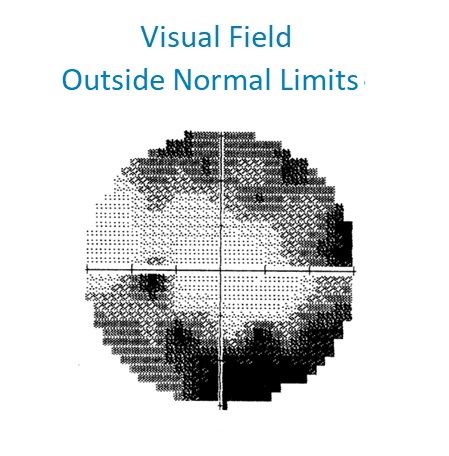
The Perimetry Test, also known as a Visual Field Test, is a specialized diagnostic procedure that measures the entire field of vision, including peripheral (side) vision. It helps detect blind spots and subtle vision loss that may not be noticed by the patient but could indicate serious eye or neurological conditions.

At Dr. Vishal Maniar’s Eye Clinic, we use advanced computerized perimetry systems to evaluate visual field defects caused by glaucoma, optic nerve damage, retinal disease, or neurological disorders. This test is painless, safe, and highly effective in diagnosing and monitoring eye health.

Perimetry plays a crucial role in the early detection of glaucoma, tracking the progression of optic nerve conditions, and evaluating patients with stroke, brain tumors, or other neurological disorders that may affect vision. With timely and regular perimetry tests, we can detect changes early and ensure better treatment outcomes.
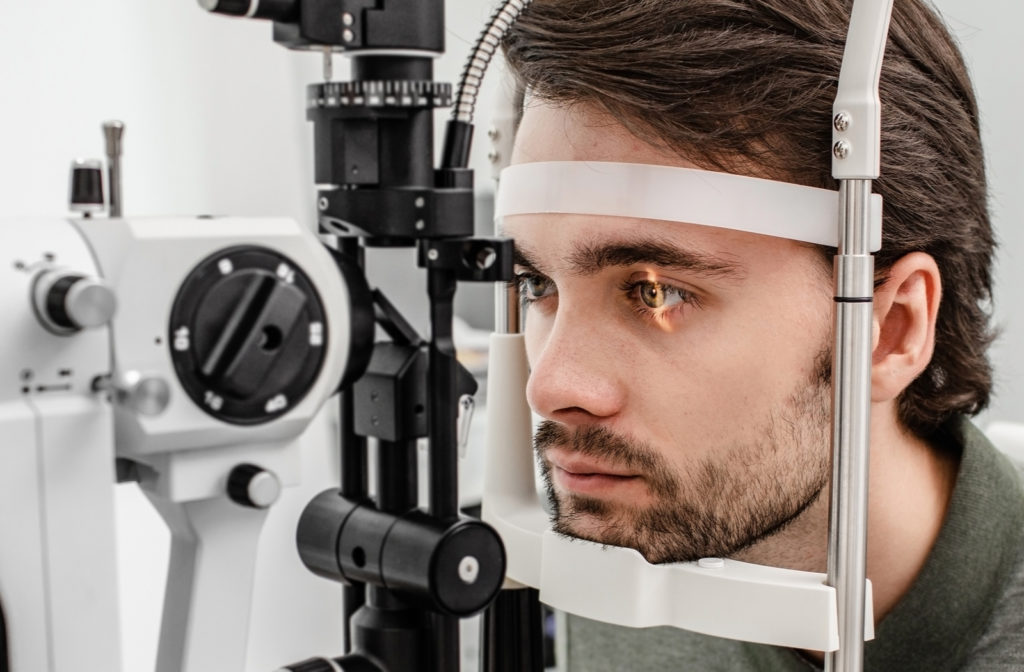
Perimetry Test by Dr. Vishal Maniar

Perimetry Test

A specialized test to measure your visual field — helping detect glaucoma, optic nerve damage, and other eye conditions early for better management and treatment.
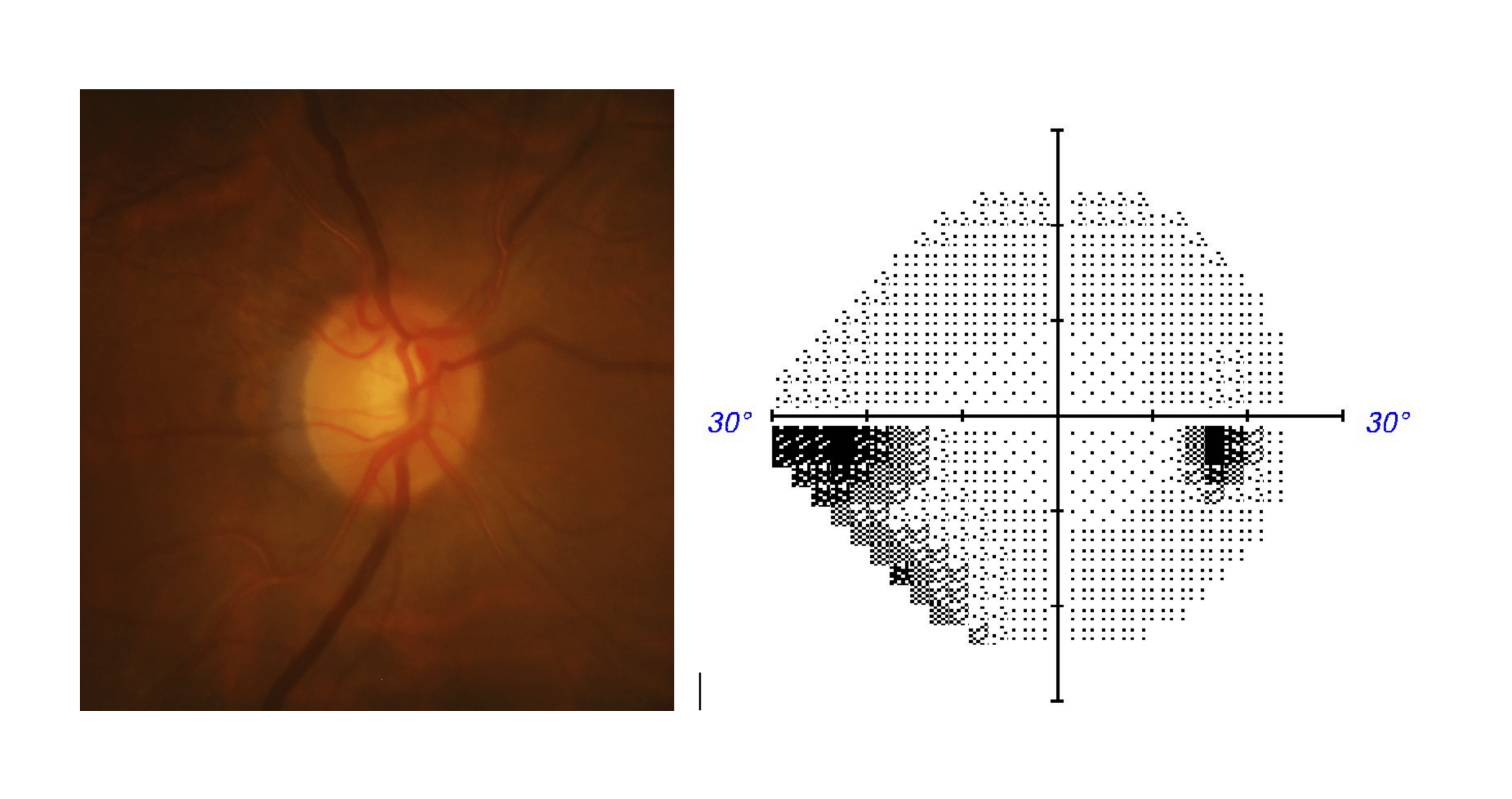
When is a Perimetry Test Needed?

  • • Monitoring glaucoma progression
  • • Detecting optic nerve disorders
  • • Evaluating vision after stroke or brain injury
  • • Assessing retinal conditions
  • • Identifying blind spots (scotomas)
  • • Screening patients with unexplained vision loss
When Perimetry Test is Needed

Conditions Detected by Perimetry

The test helps diagnose and monitor several eye and neurological conditions:
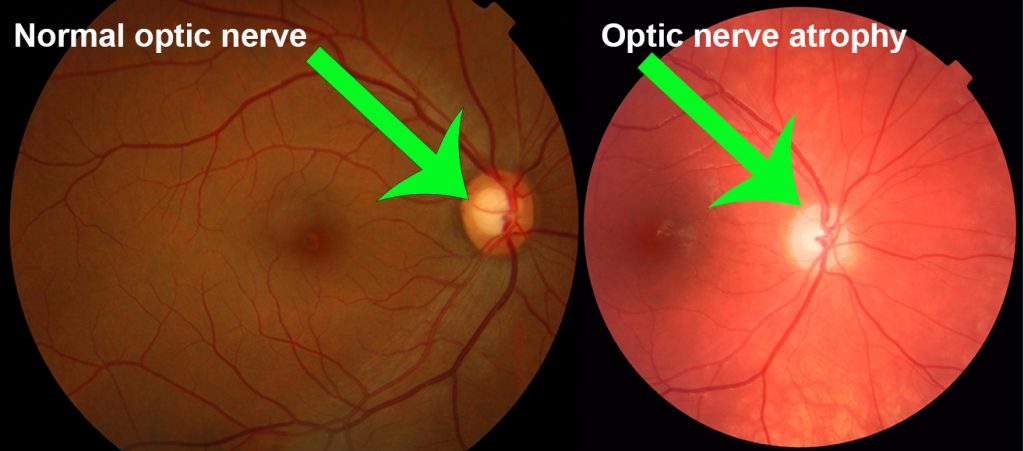
  • • Glaucoma (early to advanced stages)
  • • Optic neuritis and optic nerve damage
  • • Brain tumors or lesions affecting vision
  • • Retinal diseases causing field loss
  • • Stroke-related vision defects
  • • Pituitary gland disorders
Conditions Detected by Perimetry Test

How the Test is Performed

The perimetry test is simple, painless, and quick:
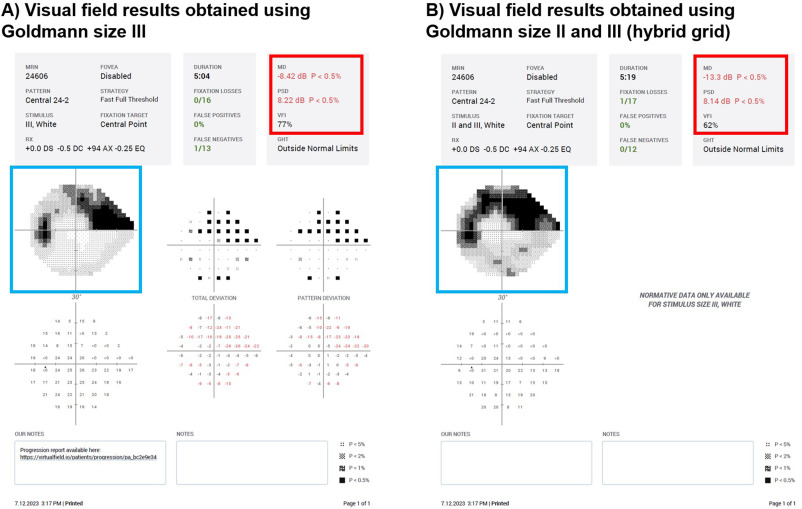
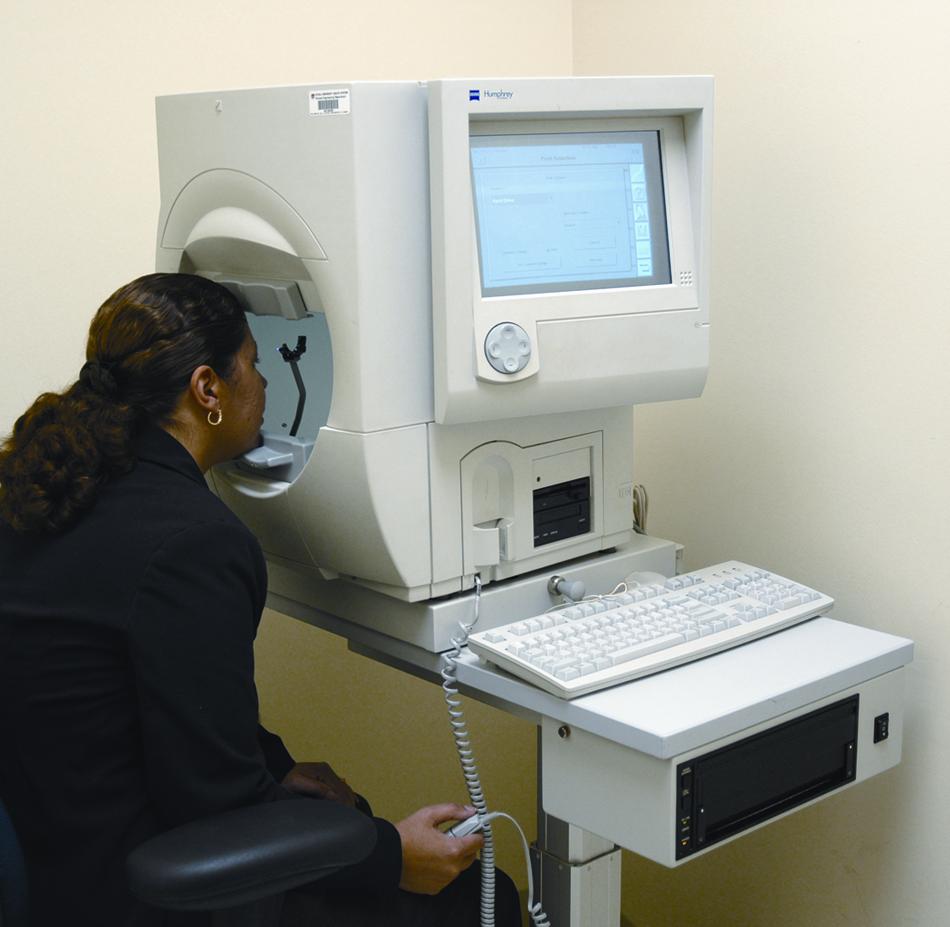
  • Automated Perimetry: Patient looks into a dome and presses a button when lights appear.
  • Goldmann Perimetry: Uses a moving target to map the field manually.
  • Visual Field Mapping: Identifies central and peripheral vision defects.
How Perimetry Test is Done

Patient Preparation & Care

To ensure accurate test results, patients should:
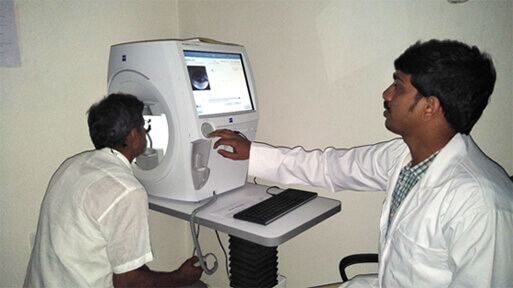
  • • Wear prescribed glasses if needed during the test
  • • Rest well before testing to maintain focus
  • • Report if feeling fatigued or drowsy
  • • Inform the doctor of any existing eye or neurological conditions
Perimetry Test Preparation

Benefits of Perimetry Test

  • • Detects glaucoma at an early stage
  • • Monitors progression of optic nerve damage
  • • Assists in planning treatment strategies
  • • Helps neurologists identify brain-related vision issues
  • • Provides baseline records for future comparisons
Benefits of Perimetry Test

Perimetry Test

Everything you need to know about the Perimetry Test — its purpose, conditions detected, procedure, who should undergo it, and why Dr. Vishal Maniar is trusted for accurate diagnosis and glaucoma management.
What is Perimetry Test

What is a Perimetry Test?

A Perimetry Test, also known as a visual field test, measures the full horizontal and vertical range of what you can see. It helps detect blind spots (scotomas) and areas of reduced vision that may indicate glaucoma, optic nerve damage, or neurological conditions. The test is non-invasive, safe, and essential for early diagnosis.
Conditions Detected by Perimetry

Conditions Detected by Perimetry

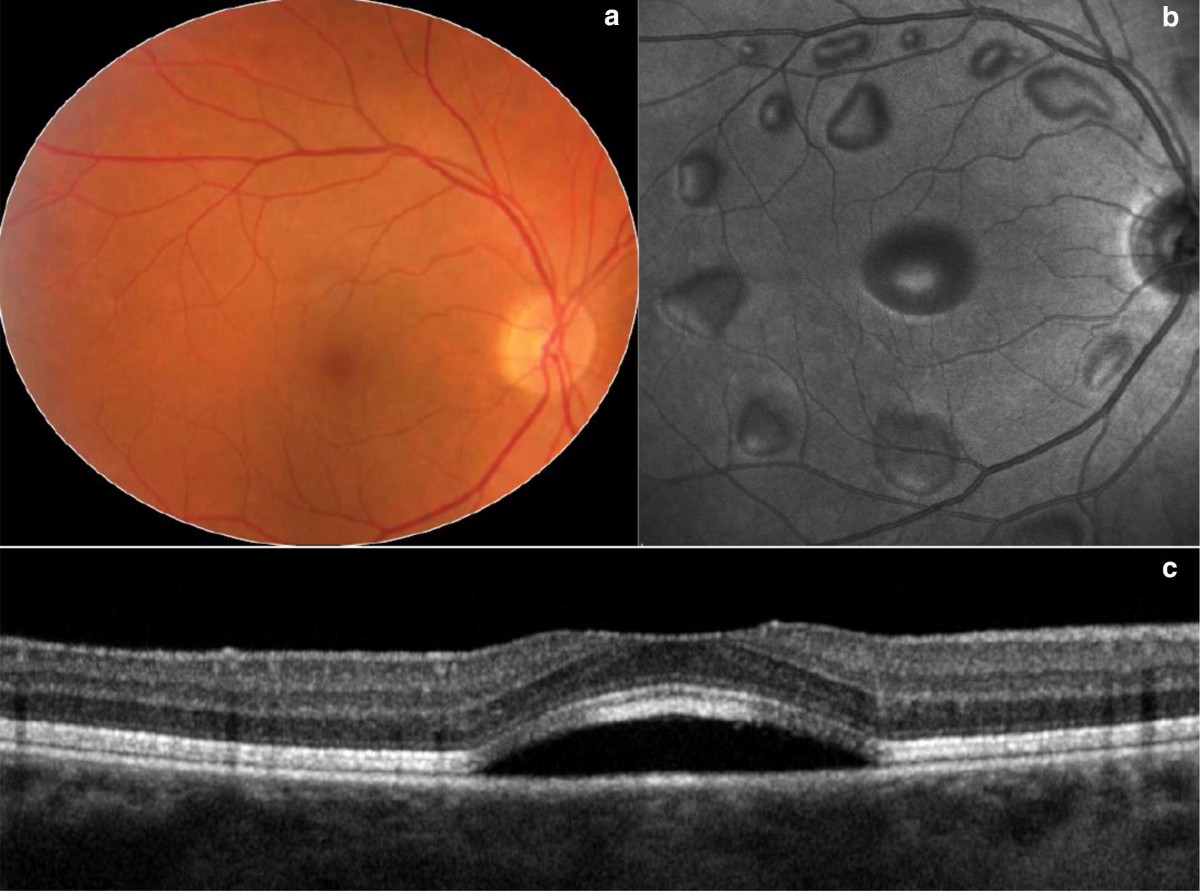
  • Glaucoma: Detects early and progressive visual field loss.
  • Optic Nerve Disorders: Damage from optic neuritis or ischemia.
  • Neurological Disorders: Stroke, brain tumors, and pituitary gland problems.
  • Retinal Diseases: Conditions causing peripheral or central field defects.
  • Drug Toxicity: Visual field monitoring in patients on certain medications.
How Perimetry Test is Performed

How is the Test Performed?

  • Automated Perimetry: Patient presses a button when lights appear in different areas.
  • Goldmann Perimetry: A manual test using a moving target to map vision.
  • Central & Peripheral Mapping: Evaluates clarity of central and side vision.
  • Comparison Over Time: Detects progression of glaucoma or optic nerve damage.
Who Needs Perimetry Test

Who Needs a Perimetry Test?

  • Patients diagnosed with or at risk of glaucoma.
  • Individuals with optic nerve abnormalities.
  • People with neurological disorders affecting vision.
  • Patients on long-term medication with potential eye side effects.
  • Individuals reporting blind spots, blurred, or partial vision loss.
  • Routine screening in diabetics and hypertensive patients with eye changes.
Benefits of Perimetry Test

Benefits of Perimetry Test

  • Early detection of glaucoma before vision loss occurs.
  • Accurate tracking of disease progression over time.
  • Helps doctors tailor treatment and monitor results.
  • Identifies brain-related vision problems quickly.
  • Provides baseline records for future comparisons.
Risks of Ignoring Perimetry Test

Risks if Ignored

Skipping a perimetry test when recommended may delay the diagnosis of glaucoma, optic nerve damage, or neurological conditions. This can result in irreversible vision loss or blindness. With timely perimetry testing under Dr. Vishal Maniar, patients can detect eye disease early, prevent progression, and preserve long-term vision.