ICL Surgery

ICL Surgery

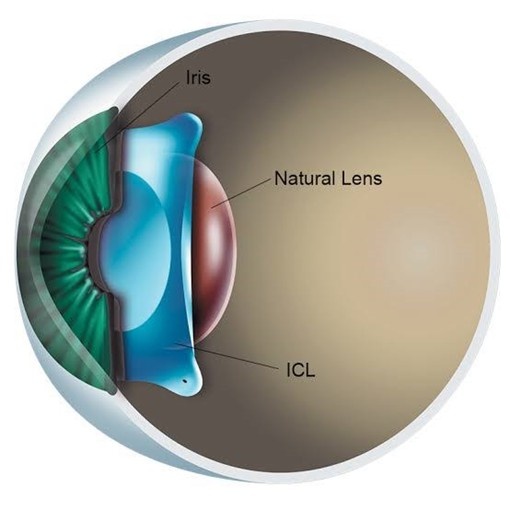
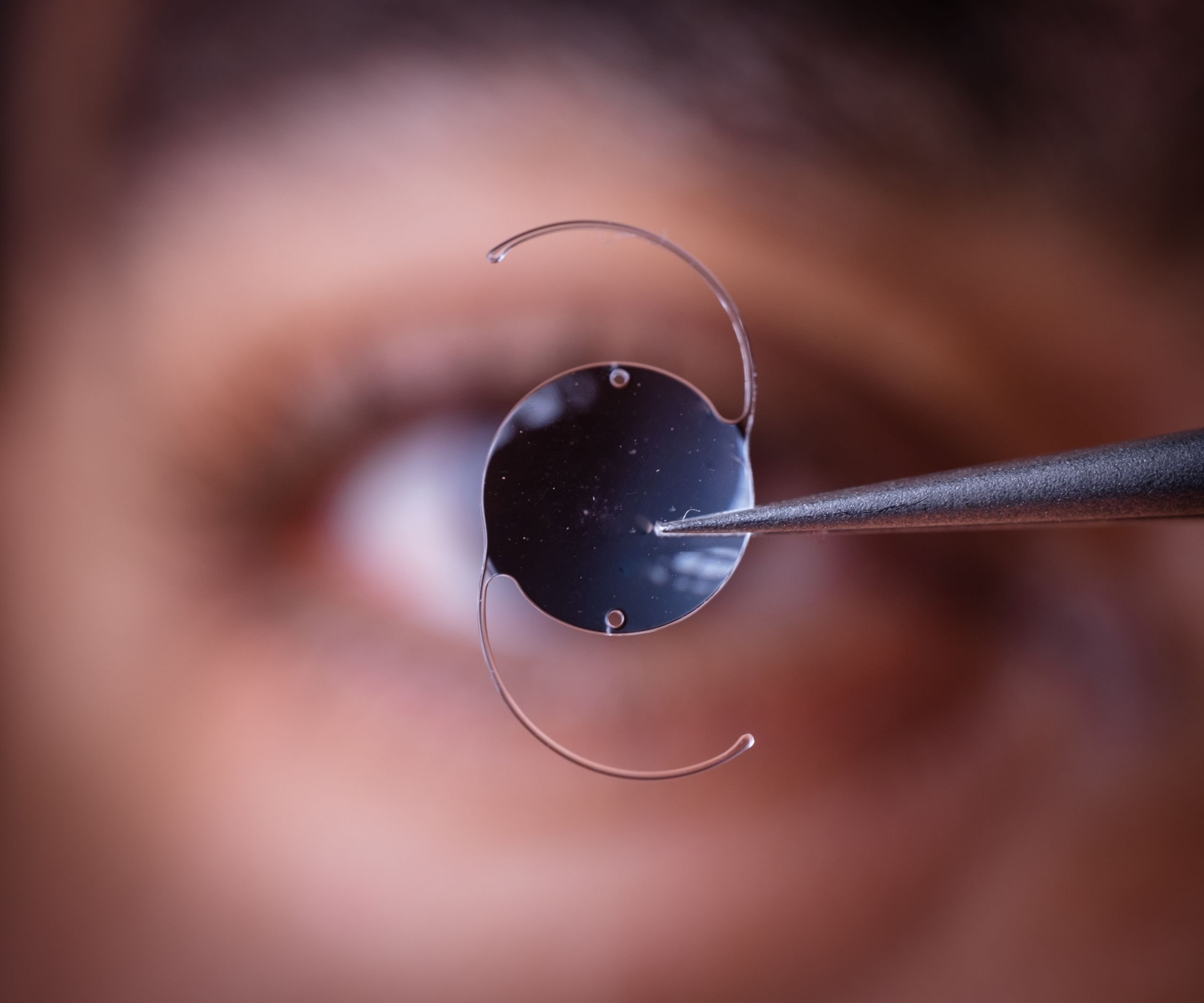
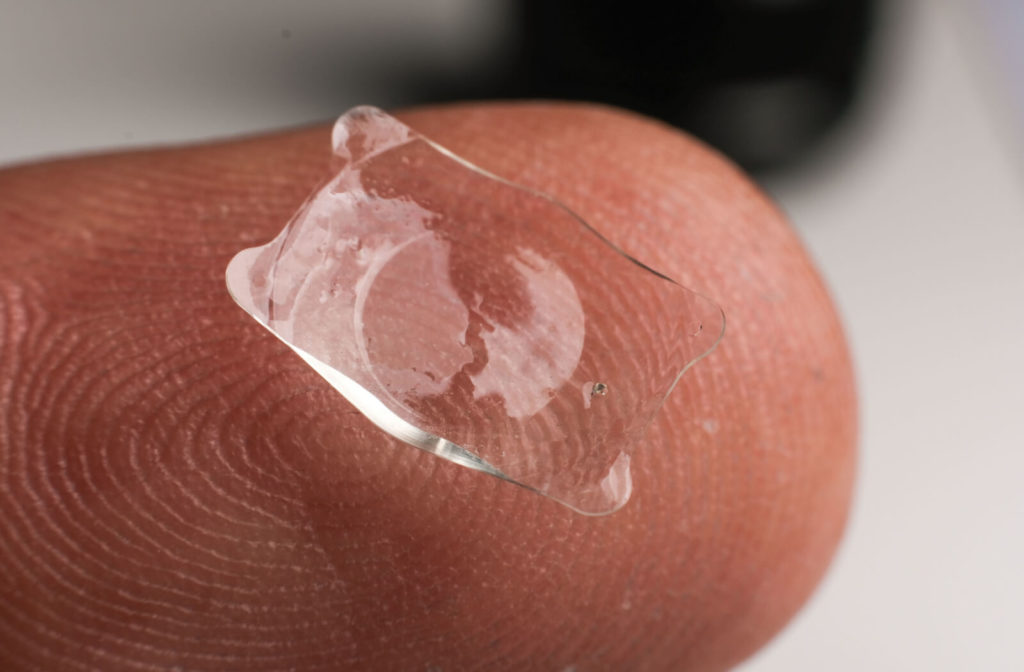
Implantable Collamer Lens (ICL) surgery is a modern vision correction procedure designed for patients who are not suitable for LASIK or prefer an alternative to laser surgery. In this treatment, a specially designed lens is implanted inside the eye, in front of the natural lens, to correct refractive errors like myopia (nearsightedness), hyperopia (farsightedness), and astigmatism.

At Dr. Vishal Maniar’s Eye Clinic, we offer advanced ICL procedures that provide high-definition vision quality without removing corneal tissue. The ICL lens is biocompatible, invisible, and works seamlessly with the natural eye structures, offering clear and sharp vision.

ICL surgery is a safe, reversible, and effective solution for patients seeking freedom from glasses or contact lenses, especially those with high refractive errors or thin corneas.
ICL Surgery by Dr. Vishal Maniar

ICL Surgery

Learn about symptoms, eligibility, treatment procedure, recovery, and benefits of Implantable Collamer Lens (ICL) Surgery with expert vision correction by Dr. Vishal Maniar.

Who Needs ICL Surgery?

  • • People with high myopia (nearsightedness)
  • • Patients with thin corneas not suitable for LASIK
  • • Individuals with dry eye issues making laser surgery difficult
  • • Those seeking freedom from glasses or contact lenses
  • • Patients with stable vision prescriptions for at least a year
  • • People looking for a safe, reversible vision correction option
ICL Surgery Candidates

Why Choose ICL Surgery?

ICL surgery is chosen by patients who cannot undergo LASIK or prefer a non-laser option. Common reasons include:
  • • High refractive errors (very strong glasses)
  • • Thin or irregular corneas
  • • Pre-existing dry eye conditions
  • • Desire for reversible vision correction
  • • Higher quality of night vision compared to some laser procedures
Benefits of ICL Surgery

The ICL Procedure

The ICL surgery is a quick, minimally invasive procedure that typically takes less than 30 minutes:
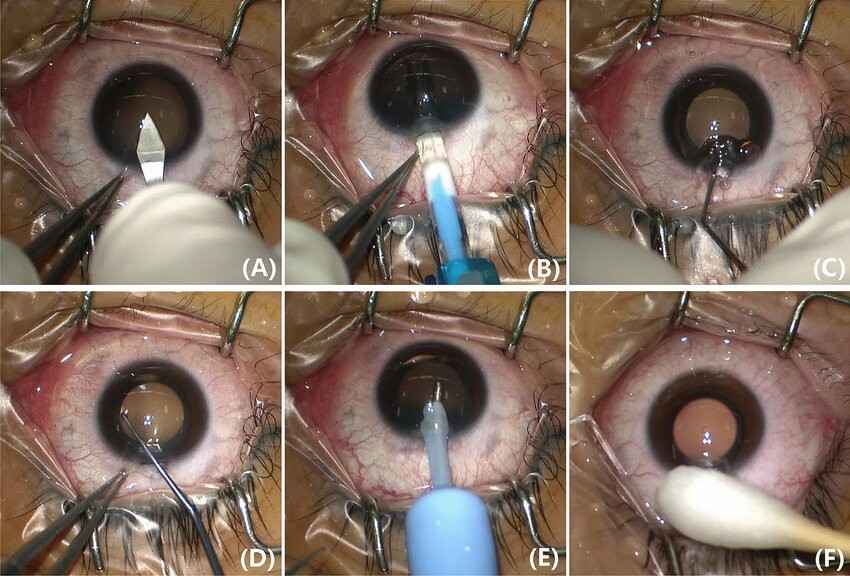
  • Step 1: Numbing drops are applied to ensure a painless experience.
  • Step 2: A tiny incision is made to insert the foldable ICL lens.
  • Step 3: The lens unfolds and is placed behind the iris and in front of the natural lens.
  • Step 4: The incision heals naturally without stitches, and vision improves almost immediately.
ICL Surgery Procedure

Recovery & Aftercare

ICL surgery offers fast recovery with minimal discomfort. Patients can expect:

  • • Clearer vision within 24–48 hours
  • • Use of prescribed eye drops to prevent infection and inflammation
  • • Avoid rubbing the eyes or swimming for 1–2 weeks
  • • Wearing protective eyewear in dusty or sunny conditions
  • • Most patients resume work within 2–3 days
  • • Regular follow-up visits for monitoring eye health
ICL Surgery Recovery

Benefits of ICL Surgery

  • • Provides high-definition, sharp vision
  • • Corrects high myopia, hyperopia, and astigmatism
  • • No corneal tissue removal, unlike LASIK
  • • Reversible procedure — lens can be removed or replaced if needed
  • • Quick recovery with long-lasting results
  • • Better night vision and reduced glare for many patients
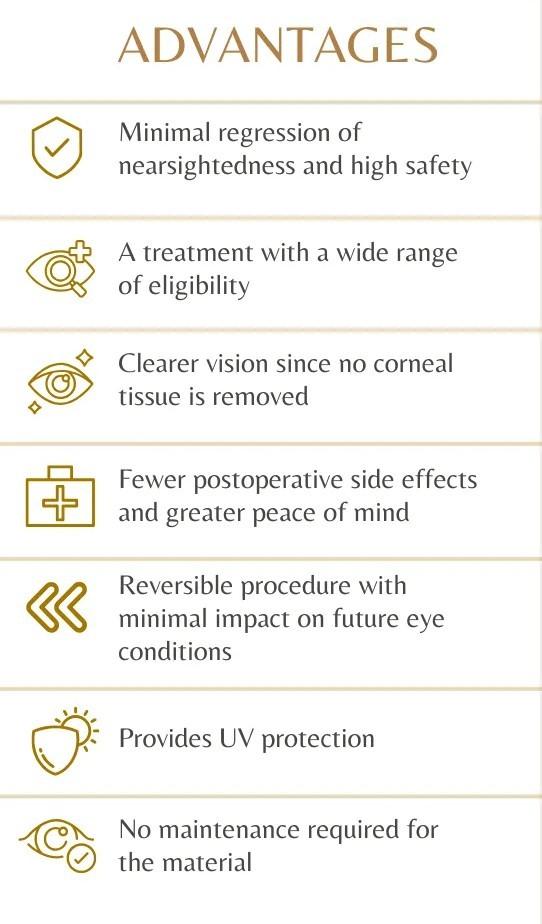
Advantages of ICL Surgery

ICL Surgery

Everything you need to know about ICL Surgery — what it is, diagnosis, candidacy, benefits, and why Dr. Vishal Maniar is trusted for safe and advanced vision correction.
What is ICL Surgery

What is ICL?

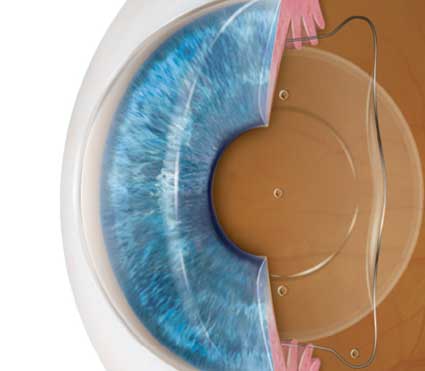
ICL (Implantable Collamer Lens) surgery is a safe and effective vision correction procedure designed for people with moderate to high myopia, hyperopia, or astigmatism. Unlike LASIK, it does not remove corneal tissue. Instead, a specially designed lens is placed inside the eye, between the iris and the natural lens, to provide clear, sharp vision. It is reversible and offers excellent night vision and long-term stability.
Types of ICL Surgery

Types of ICL Lenses

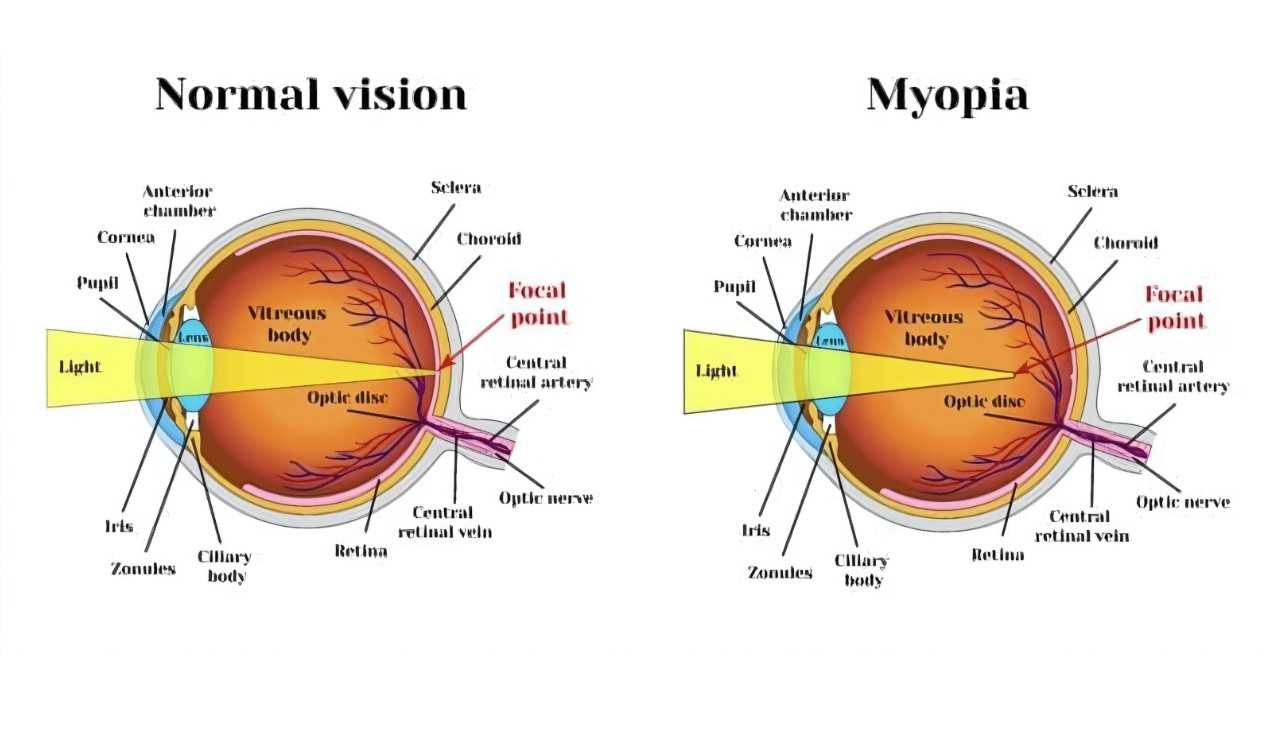
  • Myopic ICL: Corrects moderate to high levels of nearsightedness.
  • Toric ICL: Corrects both myopia and astigmatism in a single procedure.
  • Hyperopic ICL: Designed for patients with farsightedness (less common).
Diagnosis before ICL Surgery

Diagnosis & Pre-Surgery Evaluation

  • Comprehensive Eye Exam: To check overall eye health.
  • Refraction Tests: Measure the degree of myopia, hyperopia, or astigmatism.
  • Corneal Thickness & Topography: To assess if LASIK is unsuitable and ICL is preferred.
  • Pupil Size & Anterior Chamber Depth: Ensures safe placement of the lens.
Candidate for ICL Surgery

Who is a Candidate?

  • Patients aged 18–45 with stable vision prescriptions.
  • Those with moderate to high myopia or astigmatism.
  • Individuals with thin corneas or dry eyes unsuitable for LASIK.
  • Patients seeking a reversible, long-term vision correction solution.
Risks of ICL Surgery

Risks

ICL surgery is considered very safe, but possible risks may include glare, halos, increased eye pressure, or infection in rare cases. With modern EVO+ ICL lenses and Dr. Vishal Maniar’s expertise, complications are extremely rare and patients achieve excellent long-term vision outcomes.