Glaucoma Surgery

Glaucoma Surgery

Glaucoma is a progressive eye disease that damages the optic nerve, often due to increased intraocular pressure. If left untreated, it can lead to irreversible vision loss or blindness. Because glaucoma develops silently, regular eye check-ups are crucial for early detection and management.

At Dr. Vishal Maniar’s Eye Clinic, we specialize in advanced glaucoma treatment and surgery to preserve your vision. From laser procedures to minimally invasive glaucoma surgery (MIGS) and filtration surgeries, we provide customized solutions based on your condition. With cutting-edge technology and Dr. Maniar’s 17+ years of expertise, you receive safe, effective, and long-lasting results.
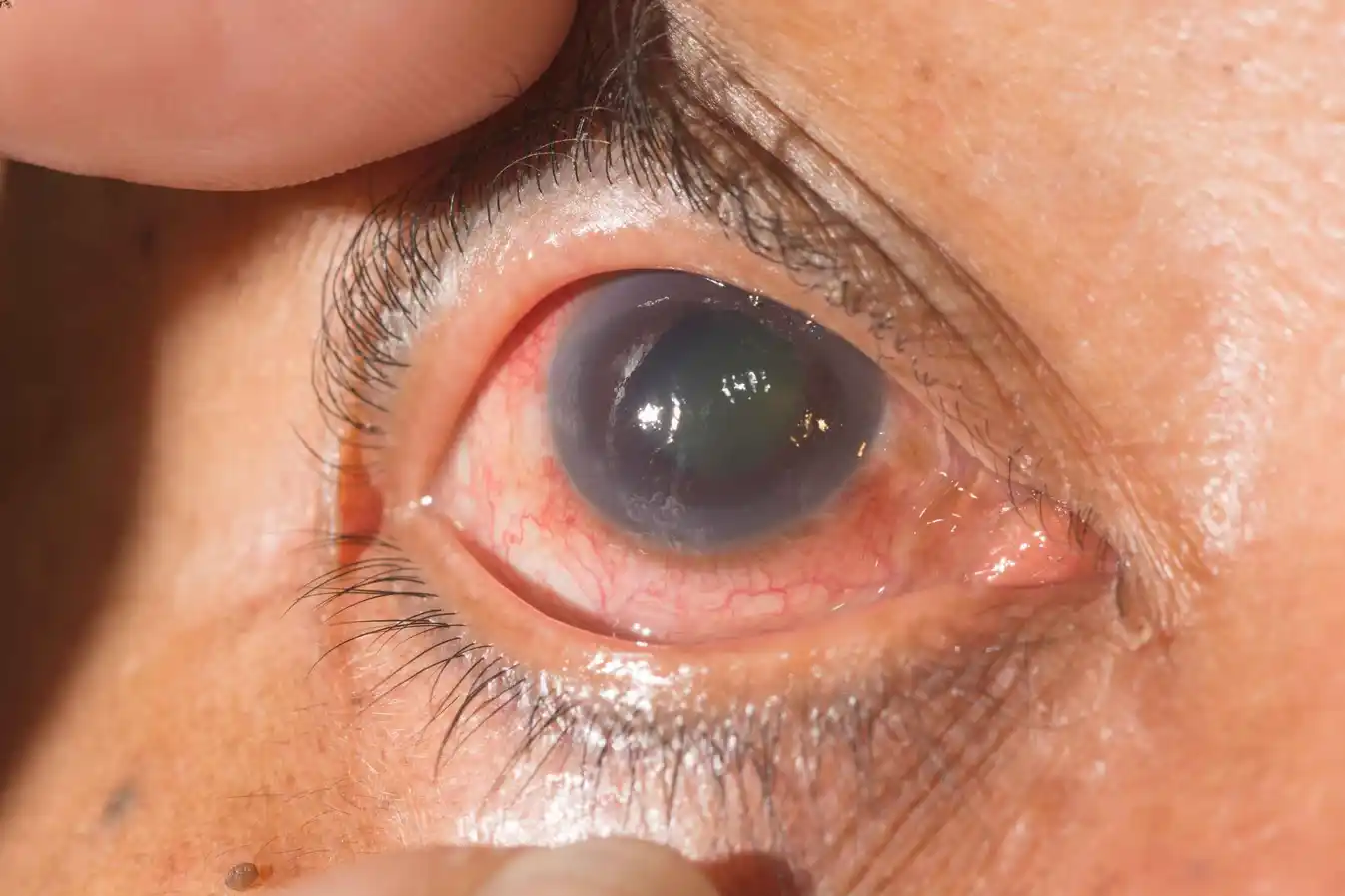
Glaucoma Surgery by Dr. Vishal Maniar

Glaucoma Surgery

Learn about symptoms, causes, treatment options, recovery, and prevention of glaucoma with expert care by Dr. Vishal Maniar.
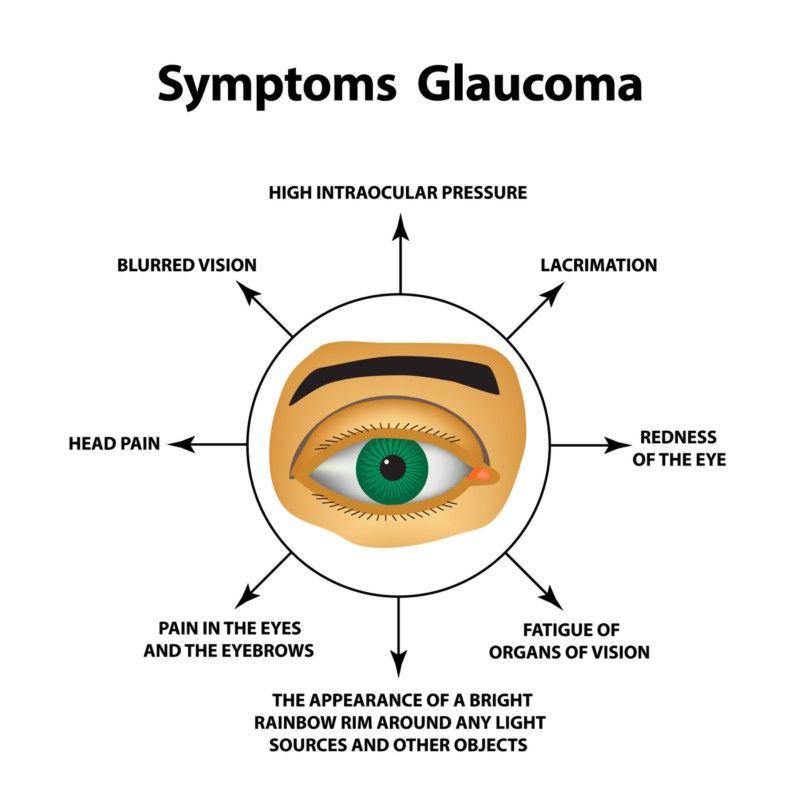
Symptoms of Glaucoma

  • • Gradual loss of peripheral (side) vision
  • • Tunnel vision in advanced stages
  • • Blurred or hazy vision
  • • Severe eye pain or pressure (acute glaucoma)
  • • Halos around lights
  • • Redness of the eye
  • • Sudden vision loss in rare cases
  • • Headaches, nausea, or vomiting (in acute attacks)
Symptoms of Glaucoma

Causes of Glaucoma

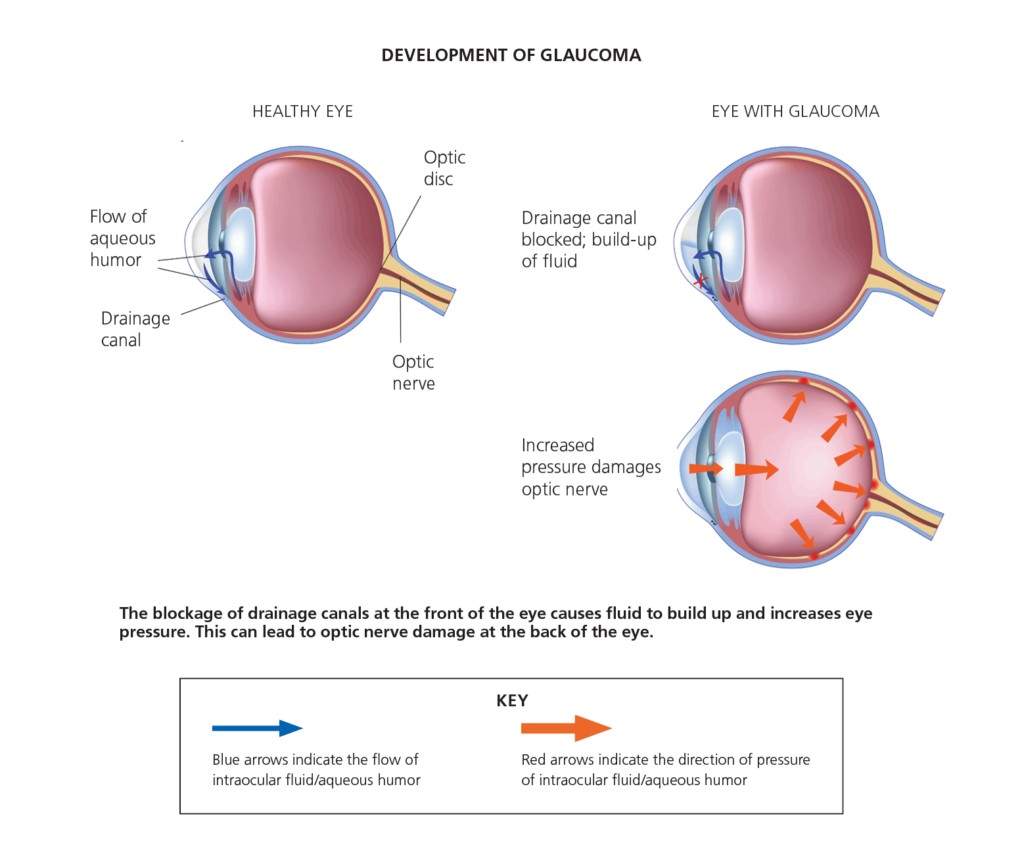
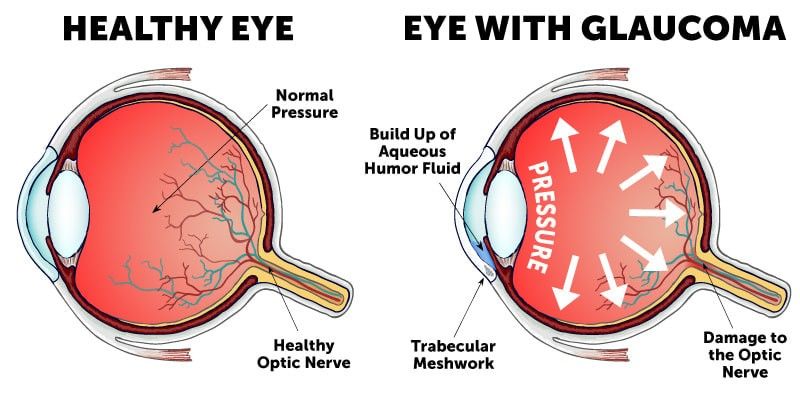
Glaucoma occurs when fluid (aqueous humor) builds up inside the eye, increasing intraocular pressure (IOP) and damaging the optic nerve. Major causes include:
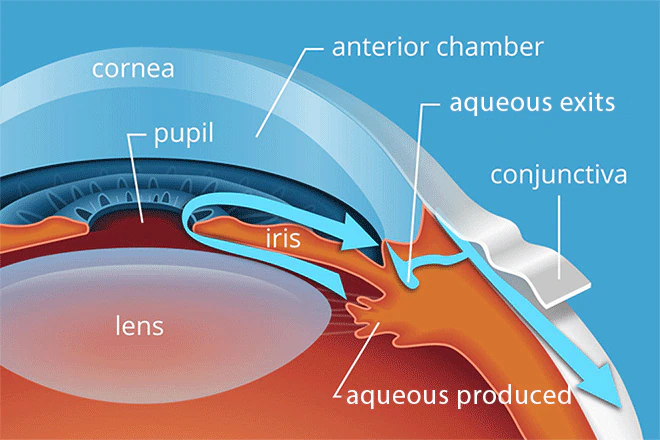
  • • Increased intraocular pressure (IOP)
  • • Age over 40 years
  • • Family history of glaucoma
  • • Diabetes and hypertension
  • • Long-term use of steroid medications
  • • Eye injuries or trauma
  • • Thin corneas and optic nerve sensitivity
  • • Severe myopia (nearsightedness)
Causes of Glaucoma

Treatment Options

Glaucoma cannot be cured, but its progression can be slowed or stopped with proper treatment. Options include:
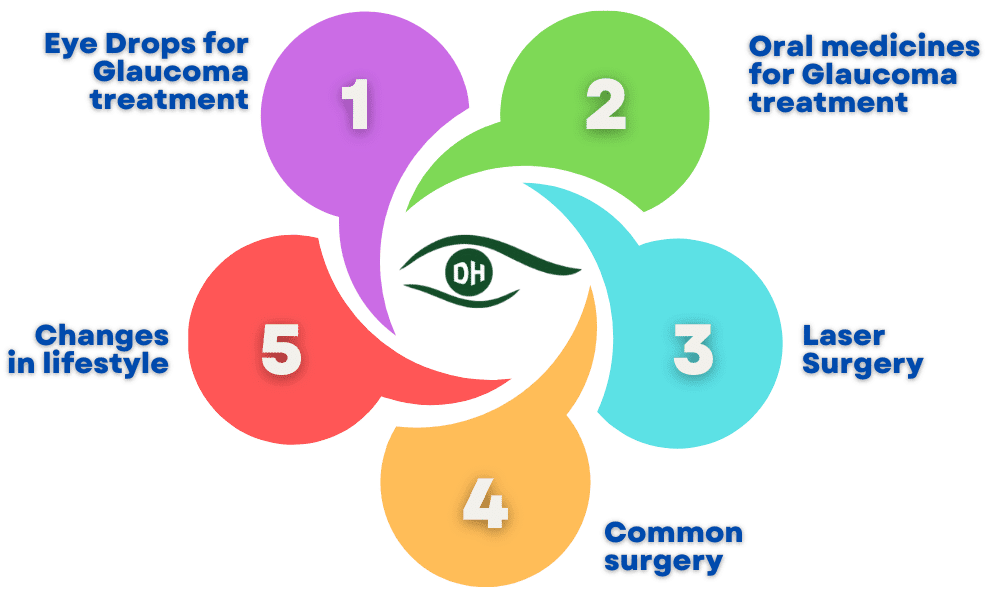
  • Medicated Eye Drops: Reduce eye pressure by lowering fluid production or increasing drainage.
  • Laser Trabeculoplasty: Improves drainage in open-angle glaucoma.
  • Laser Iridotomy: Creates a small opening in the iris for fluid drainage (used in angle-closure glaucoma).
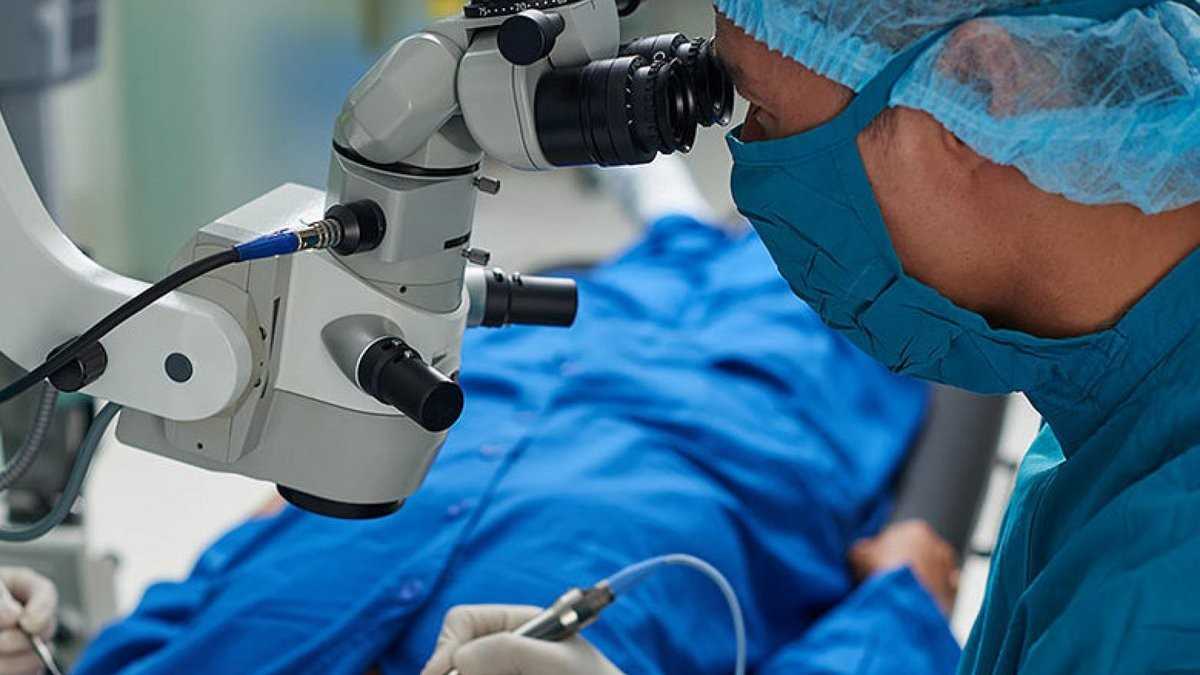
  • Minimally Invasive Glaucoma Surgery (MIGS): Safe, effective procedures for early to moderate glaucoma.
  • Trabeculectomy: Creates a drainage channel to lower eye pressure.
  • Glaucoma Drainage Implants: Devices that help fluid drain from the eye.
Glaucoma Treatment Options

Recovery & Aftercare

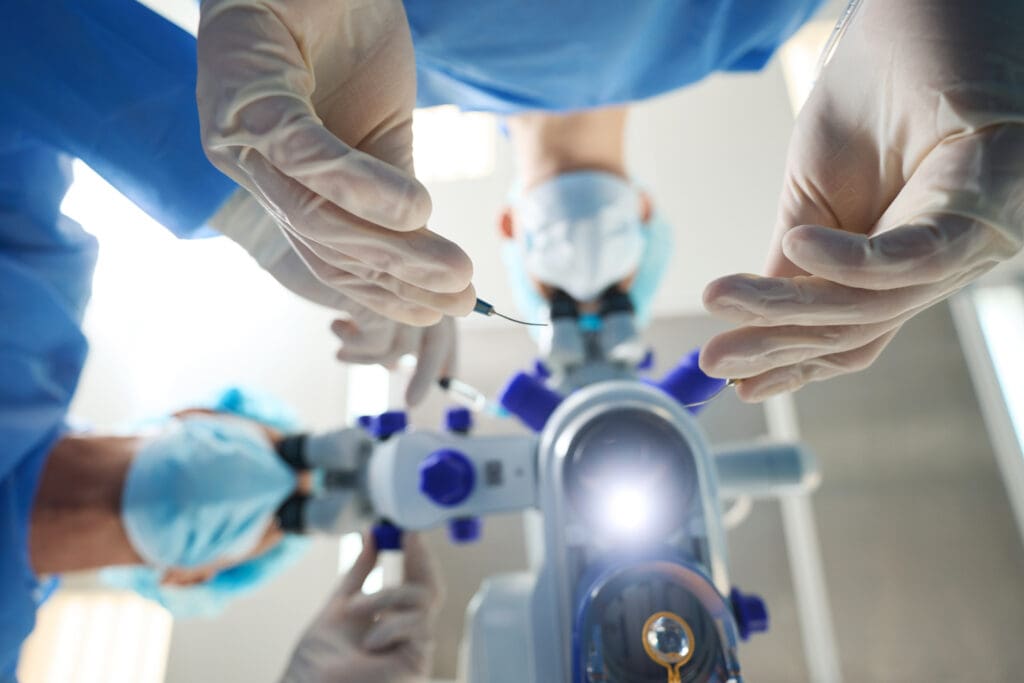
Recovery depends on the type of glaucoma surgery. Most patients notice gradual improvement, but regular care is essential. Aftercare includes:
  • • Using prescribed eye drops and medications
  • • Avoiding rubbing or pressing the eye
  • • Wearing protective glasses outdoors
  • • Avoiding heavy lifting and strenuous activities
  • • Sleeping with head slightly elevated
  • • Attending scheduled follow-ups for eye pressure monitoring
  • • Maintaining a healthy diet and lifestyle
Glaucoma Recovery

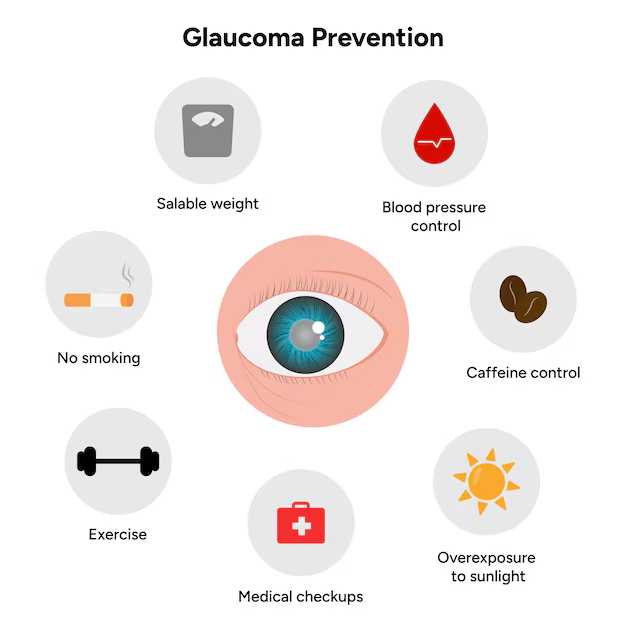
Prevention Tips

  • • Regular eye checkups after age 40
  • • Early screening if you have diabetes, hypertension, or family history
  • • Protecting eyes from injuries with safety eyewear
  • • Avoiding excessive use of steroid medications
  • • Staying physically active to improve blood circulation
  • • Eating foods rich in antioxidants, omega-3s, and vitamins A & C
  • • Maintaining healthy blood pressure and blood sugar levels
Preventing Glaucoma

Glaucoma Surgery

Everything you need to know about glaucoma — symptoms, diagnosis, treatment, and why Dr. Vishal Maniar is trusted for advanced glaucoma care.
What is Glaucoma

What is Glaucoma?

Glaucoma is an eye disease that damages the optic nerve, usually due to increased intraocular pressure (IOP). It develops slowly and often shows no early symptoms, but can lead to permanent vision loss if untreated.
Types of Glaucoma

Types of Glaucoma

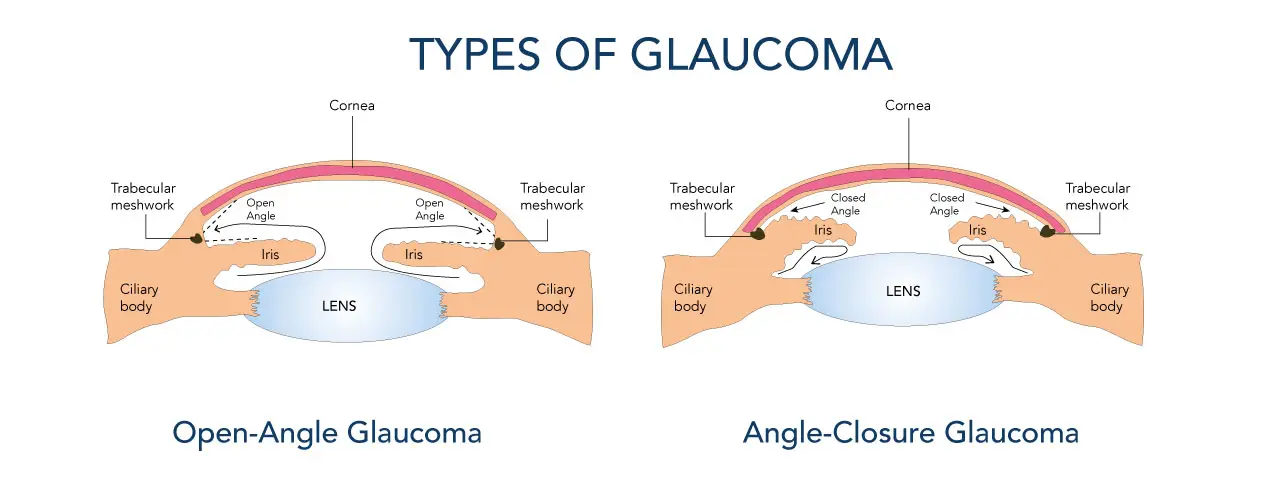
  • Open-Angle: Most common, slow progression, painless
  • Angle-Closure: Sudden, painful, needs urgent care
  • Normal-Tension: Optic nerve damage despite normal IOP
  • Congenital: Rare, present from birth
  • Secondary: Caused by injury, steroids, or other diseases
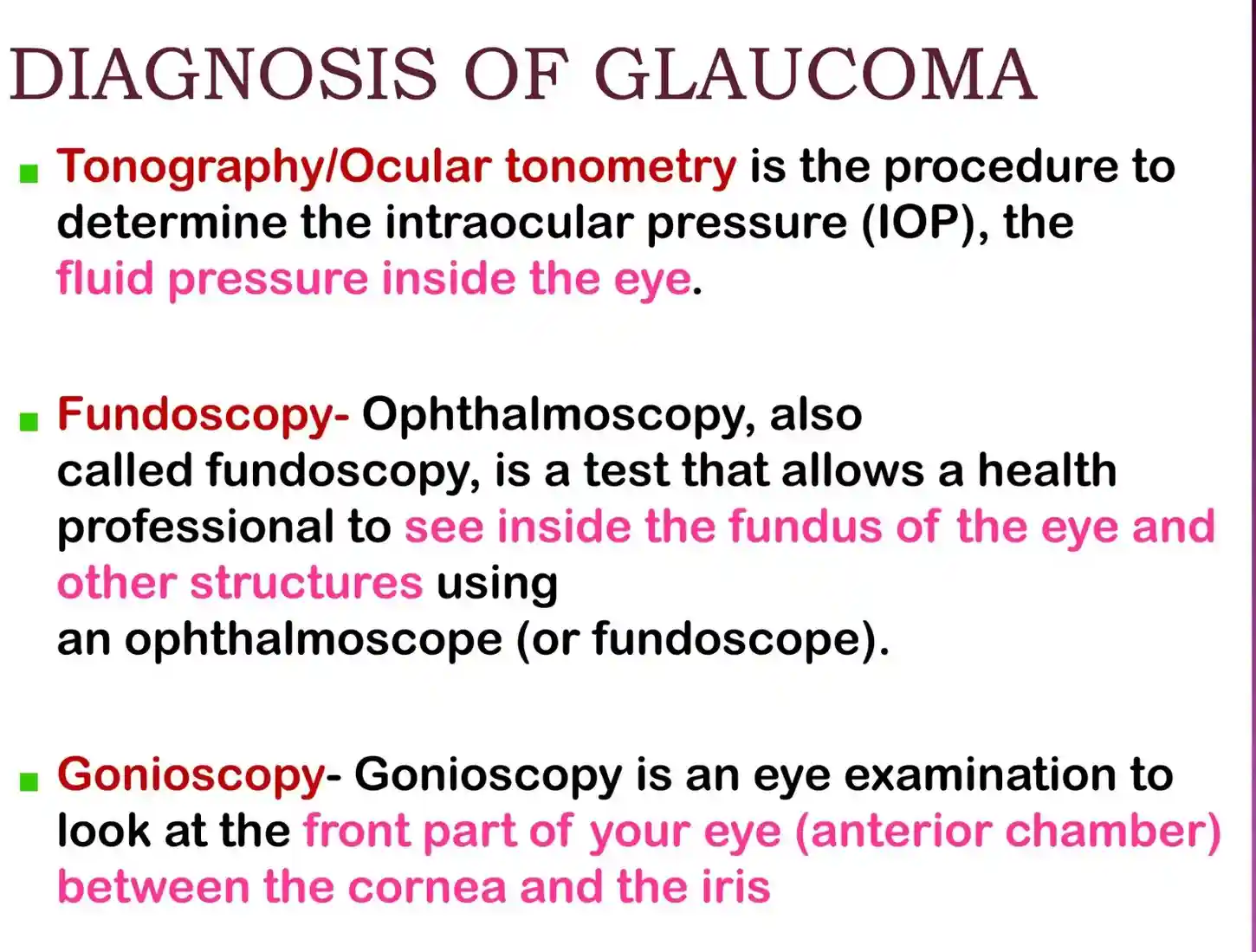
Diagnosis of Glaucoma

Diagnosis

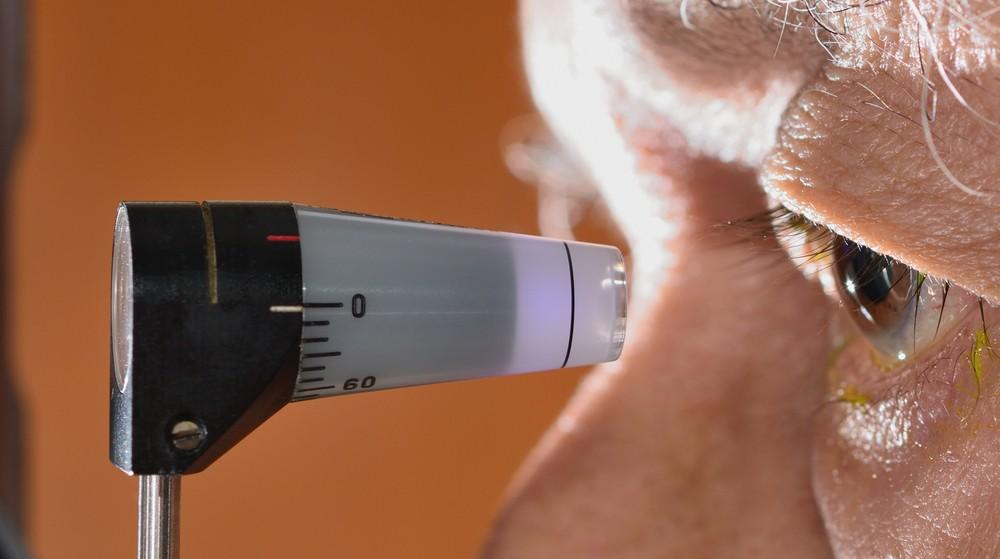
  • Tonometry: Measures eye pressure
  • OCT Scan: Examines optic nerve fibers
  • Visual Field Test: Checks peripheral vision
  • Gonioscopy: Examines eye’s drainage angle
  • Slit-Lamp Exam: Assesses eye structures
Candidate for Glaucoma Surgery

Who is a Candidate?

  • Patients with uncontrolled eye pressure despite medications
  • Progressive optic nerve damage or vision loss
  • Intolerance to glaucoma medications
  • Advanced or severe glaucoma stages
  • Those requiring long-term IOP management
Benefits of Glaucoma Surgery

Benefits

  • Reduces eye pressure effectively
  • Prevents or slows further vision loss
  • Protects optic nerve health
  • Decreases dependency on multiple medications
  • Improves long-term eye stability
Risks of Glaucoma Surgery

Risks

Glaucoma surgery is generally safe, but possible risks include infection, bleeding, cataract formation, low eye pressure, or scarring of the drainage site. Most complications are rare and treatable with timely care.