Lasik Surgery

LASIK Surgery

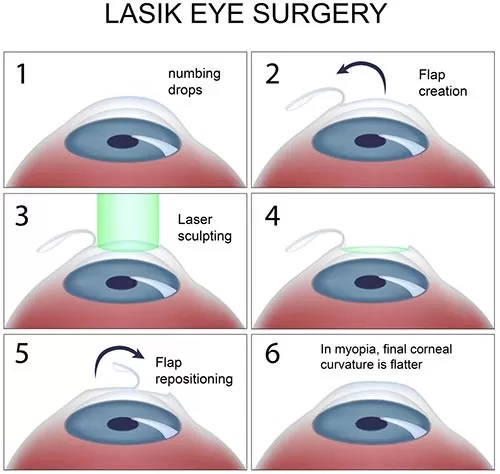
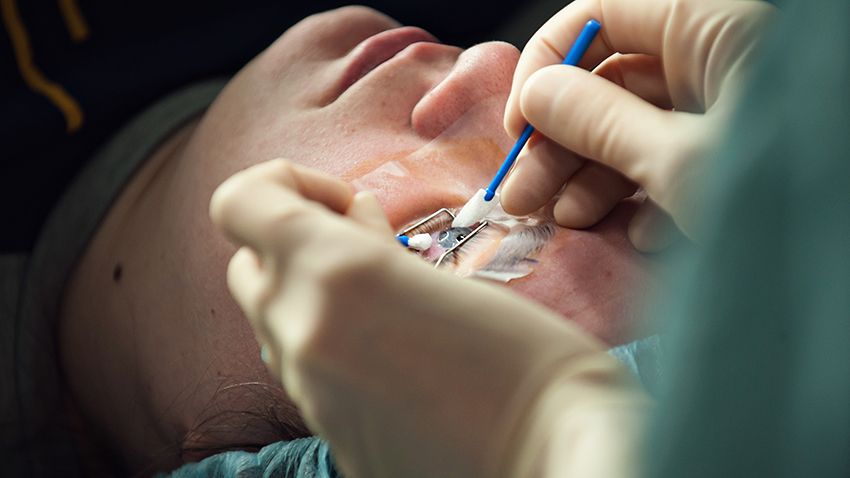
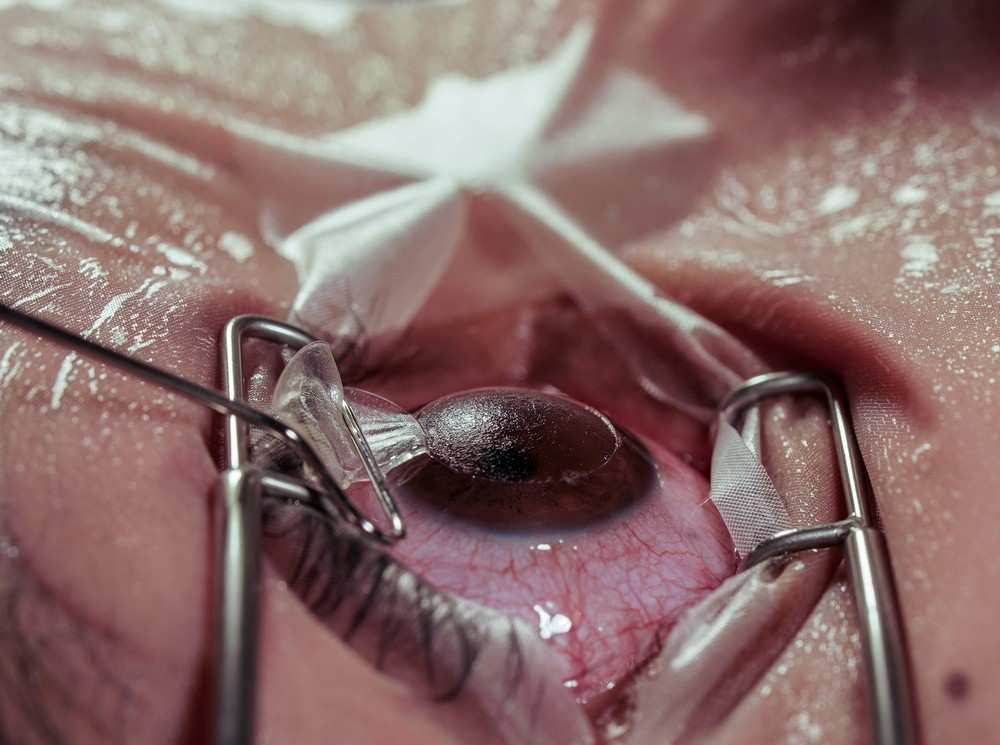
LASIK (Laser-Assisted In Situ Keratomileusis) is a safe and effective laser vision correction surgery designed to reduce or eliminate the need for glasses and contact lenses. It reshapes the cornea, allowing light to focus correctly on the retina for clear vision.

At Dr. Vishal Maniar’s Eye Clinic, we use the latest bladeless and customized LASIK technology to treat myopia (nearsightedness), hyperopia (farsightedness), and astigmatism. With advanced equipment, precision planning, and over 17 years of surgical experience, Dr. Maniar ensures quick recovery, high success rates, and improved visual freedom for patients.
LASIK Surgery by Dr. Vishal Maniar

LASIK Surgery

Learn about symptoms, eligibility, treatment options, recovery, and long-term care for LASIK surgery with expert care by Dr. Vishal Maniar.
When to Consider LASIK

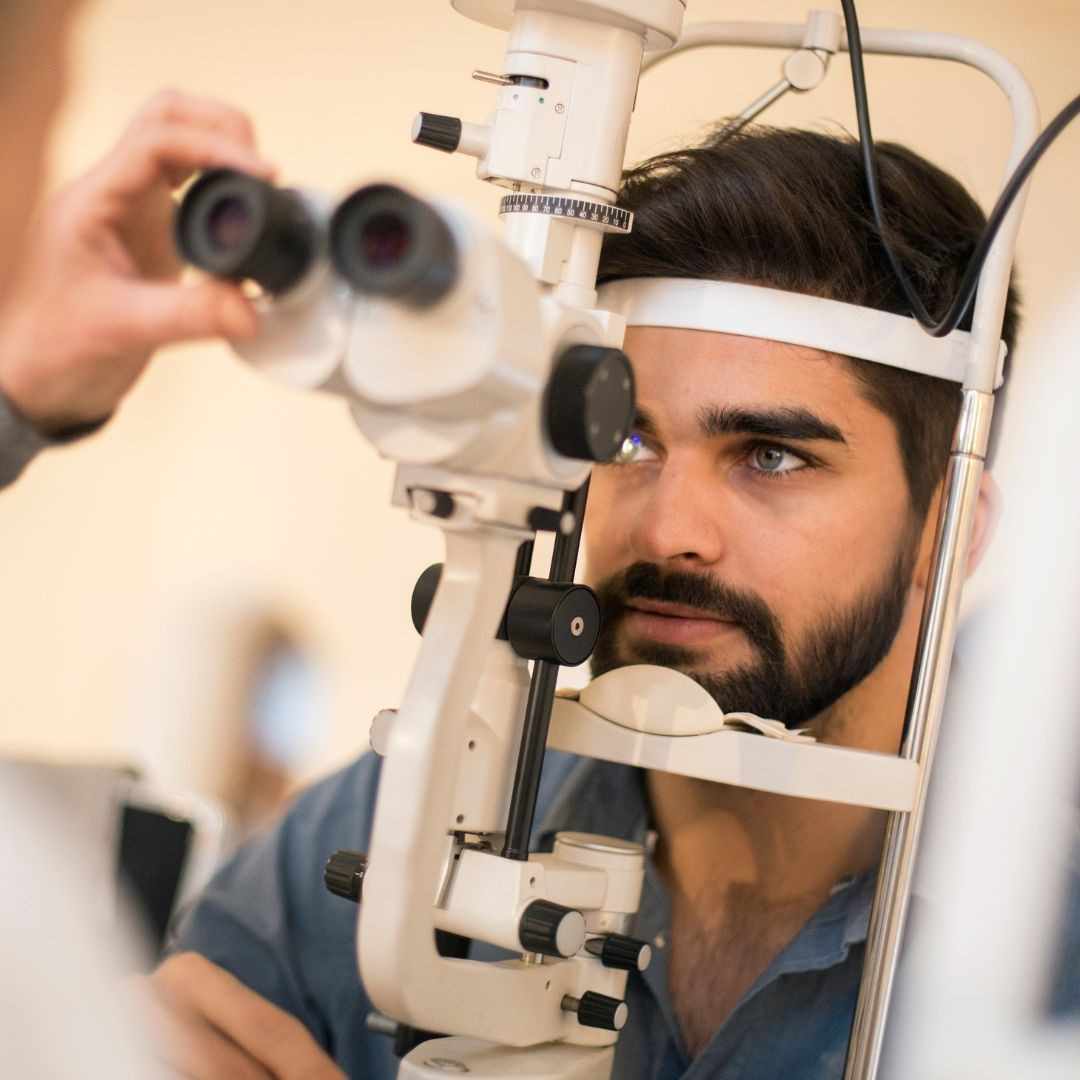
  • • Dependence on glasses or contact lenses
  • • Difficulty seeing distant or near objects (myopia or hyperopia)
  • • Blurred or fluctuating vision
  • • Astigmatism causing distorted or double vision
  • • Desire for freedom from corrective eyewear
When to Consider LASIK

Who is Eligible for LASIK?

Not everyone is a candidate for LASIK. The ideal candidates include:
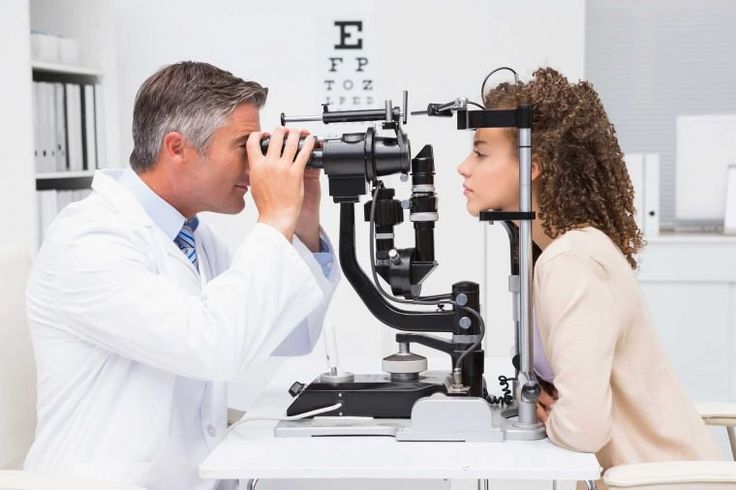
  • • Age 18 years or older
  • • Stable eye power for at least 1 year
  • • Healthy corneas with adequate thickness
  • • No active eye infections or diseases
  • • Not pregnant or breastfeeding
  • • Free from severe dry eye syndrome
LASIK Eligibility

Types of LASIK Procedures

LASIK uses advanced laser technology to reshape the cornea and improve vision. Options include:
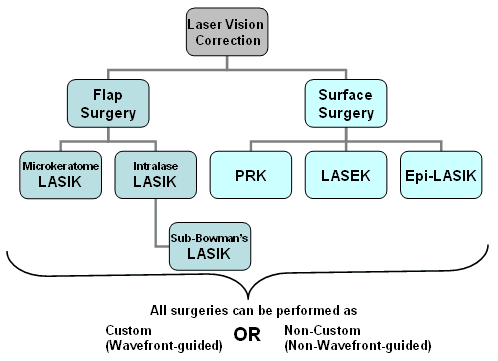
  • Standard LASIK: Corrects myopia, hyperopia, and astigmatism.
  • Bladeless (Femto LASIK): Uses a femtosecond laser for precision flap creation.
  • Custom LASIK: Wavefront-guided procedure tailored to individual eye patterns.
  • SMILE (Small Incision Lenticule Extraction): Minimally invasive flapless surgery.
Types of LASIK Surgery

Recovery & Aftercare

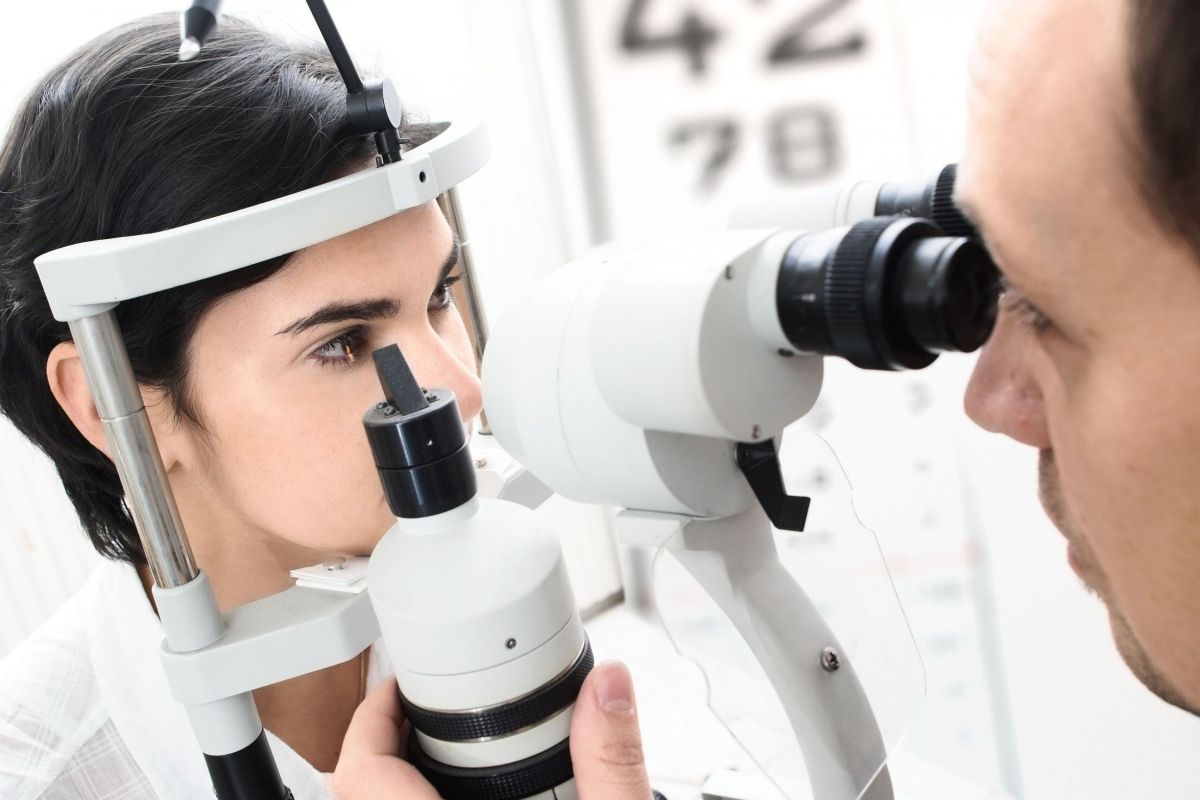
LASIK recovery is quick, but proper care ensures best results. Key guidelines include:
  • • Use prescribed lubricating and antibiotic eye drops
  • • Avoid rubbing or touching your eyes
  • • Wear protective glasses outdoors
  • • Avoid swimming, eye makeup, and dusty environments for 2 weeks
  • • Rest your eyes from screens for the first 24–48 hours
  • • Attend follow-up visits to monitor healing
LASIK Recovery

Long-Term Eye Care After LASIK

  • • Attend regular annual eye checkups
  • • Protect eyes from UV rays with sunglasses
  • • Maintain good eye hydration with artificial tears if needed
  • • Follow healthy lifestyle and nutrition for eye wellness
  • • Avoid excessive screen time or take frequent breaks
  • • Report any sudden changes in vision immediately
LASIK Long-Term Care

LASIK Surgery

Everything you need to know about LASIK eye surgery — procedure, benefits, risks, and why Dr. Vishal Maniar is trusted for safe and advanced vision correction.
What is LASIK Surgery

What is LASIK Surgery?

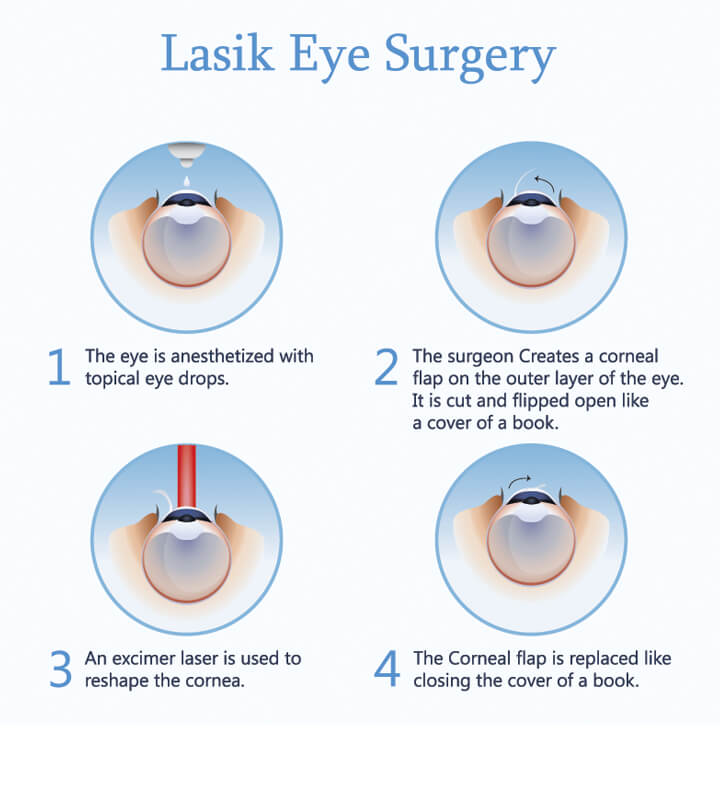
LASIK (Laser-Assisted In Situ Keratomileusis) is a laser-based procedure that reshapes the cornea to correct refractive errors like nearsightedness, farsightedness, and astigmatism. It provides clear vision without dependence on glasses or contact lenses.
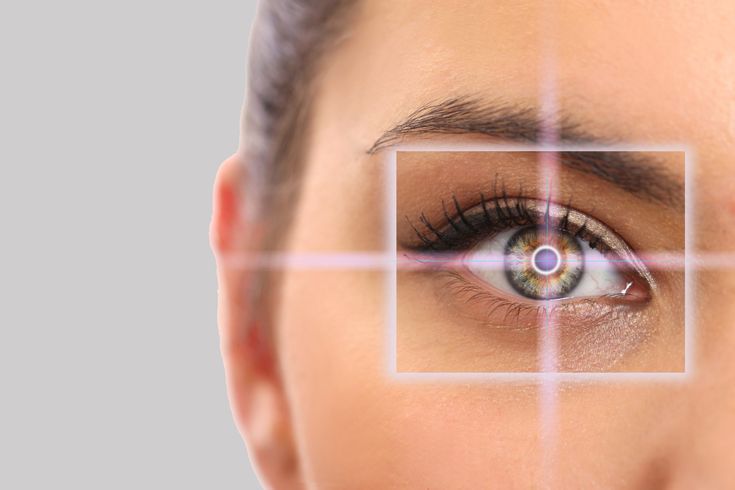
Types of LASIK Procedures

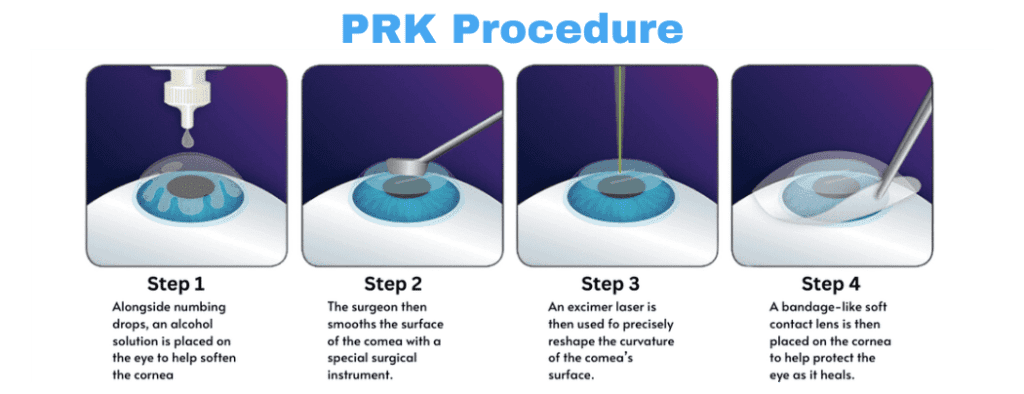
Types of LASIK Procedures

  • Standard LASIK: Uses a microkeratome blade for flap creation
  • Bladeless / Femto LASIK: Uses femtosecond laser for greater precision
  • Wavefront-Guided LASIK: Customized treatment for unique eye shapes
  • Topography-Guided LASIK: Corrects corneal irregularities
  • PRK (Photorefractive Keratectomy): Alternative for thin corneas
LASIK Eligibility Tests

Pre-Surgery Evaluation

  • Corneal Topography: Maps corneal shape and thickness
  • Pachymetry: Measures corneal thickness for safety
  • Refraction Test: Determines exact vision correction
  • Tear Film Test: Assesses dry eye risk
  • Pupil Measurement: Helps avoid glare/halo issues
LASIK Surgery Candidate

Who is a Candidate?

  • Adults over 18 with stable prescription
  • People with myopia, hyperopia, or astigmatism
  • Healthy corneas with sufficient thickness
  • No active eye diseases like glaucoma or keratoconus
  • Not pregnant or nursing at the time of surgery
Benefits of LASIK Surgery

Benefits of LASIK

  • Clear, sharp vision without glasses or lenses
  • Quick procedure (about 15 minutes for both eyes)
  • Fast recovery, most patients see within 24 hours
  • Painless with minimal discomfort
  • High success rate and long-lasting results
Risks of LASIK Surgery

Risks of LASIK

LASIK is generally safe and effective, but some patients may experience temporary or rare side effects like:

  • Dry eyes or irritation
  • Halos, glare, or double vision at night
  • Undercorrection or overcorrection
  • Flap-related complications (rare)
  • Regression of vision in some cases

Most issues are temporary and can be managed with timely follow-up and treatment.