Categories
Explore a wide range of advanced eye care treatments with Dr. Vishal Maniar.
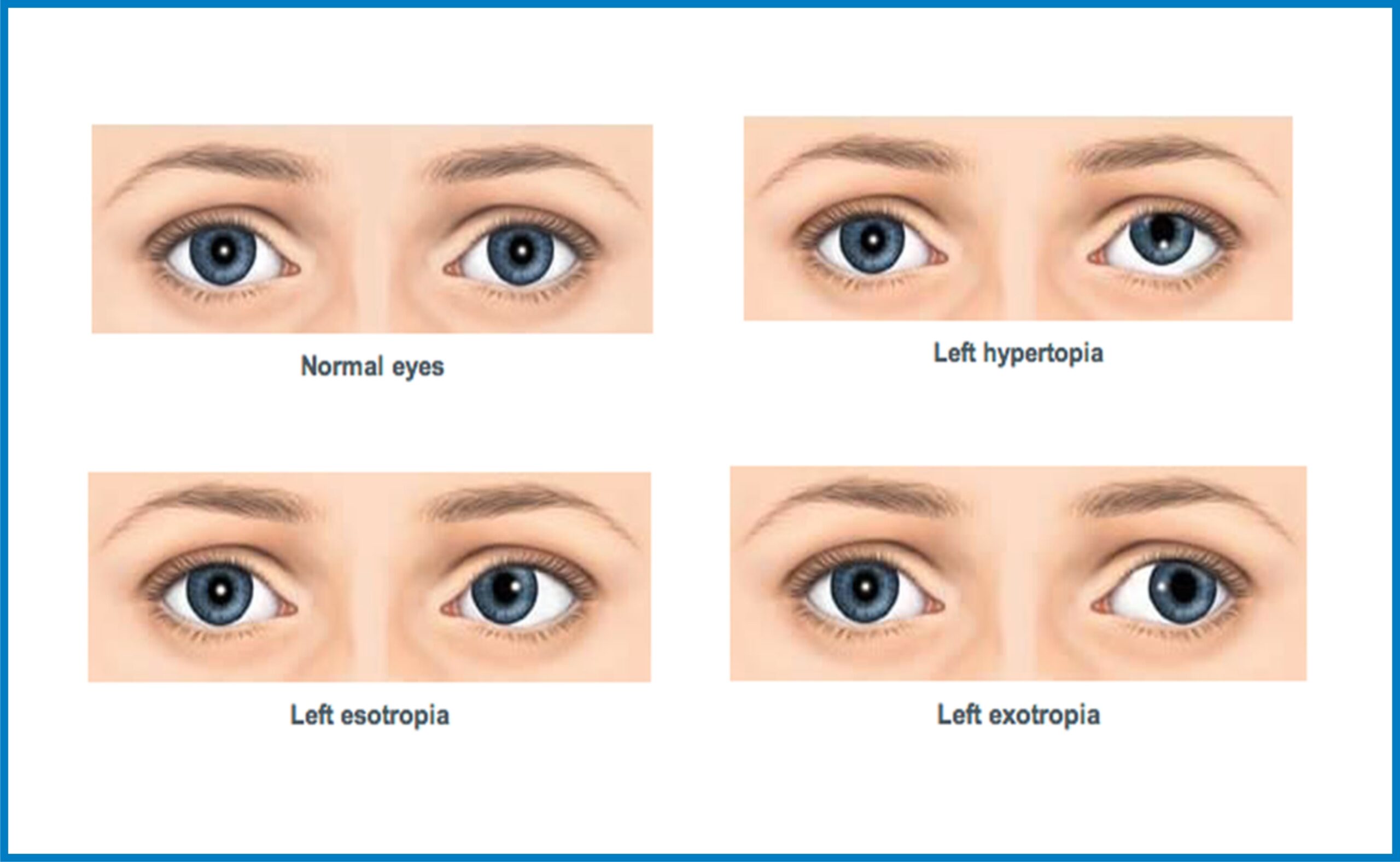
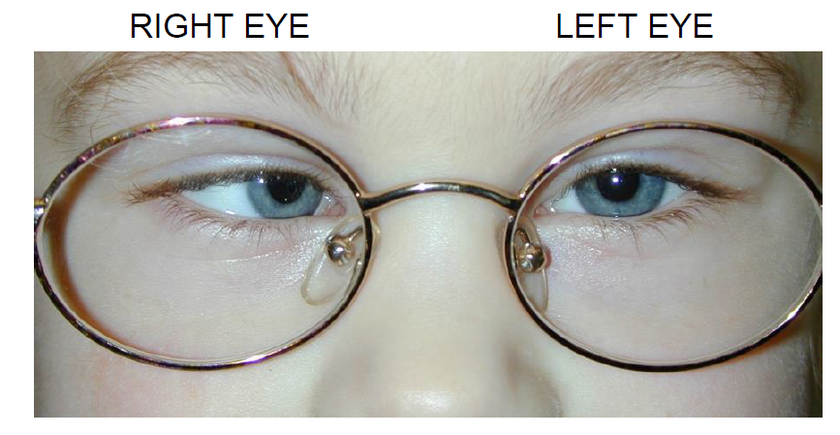
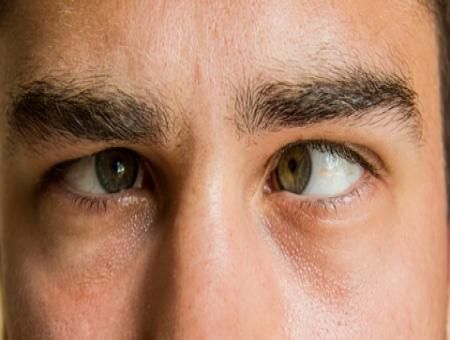
Squint (Strabismus) is a condition where the eyes do not align properly and point in different directions. One eye may look straight while the other turns inward, outward, upward, or downward. If untreated, squint can cause double vision, lazy eye (amblyopia), eye strain, and reduced confidence in social interactions.
At Dr. Vishal Maniar’s Eye Clinic, we offer advanced squint correction through minimally invasive surgical techniques. Squint surgery works by adjusting the eye muscles to restore proper alignment and binocular vision. With Dr. Maniar’s expertise and modern technology, patients of all ages can achieve improved vision, depth perception, and cosmetic appearance.
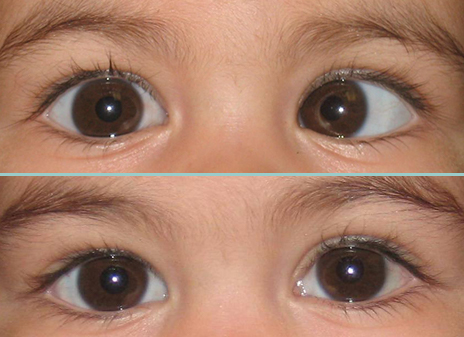
Understand symptoms, causes, treatment options, recovery, and prevention of squint (strabismus) with expert care by Dr. Vishal Maniar.
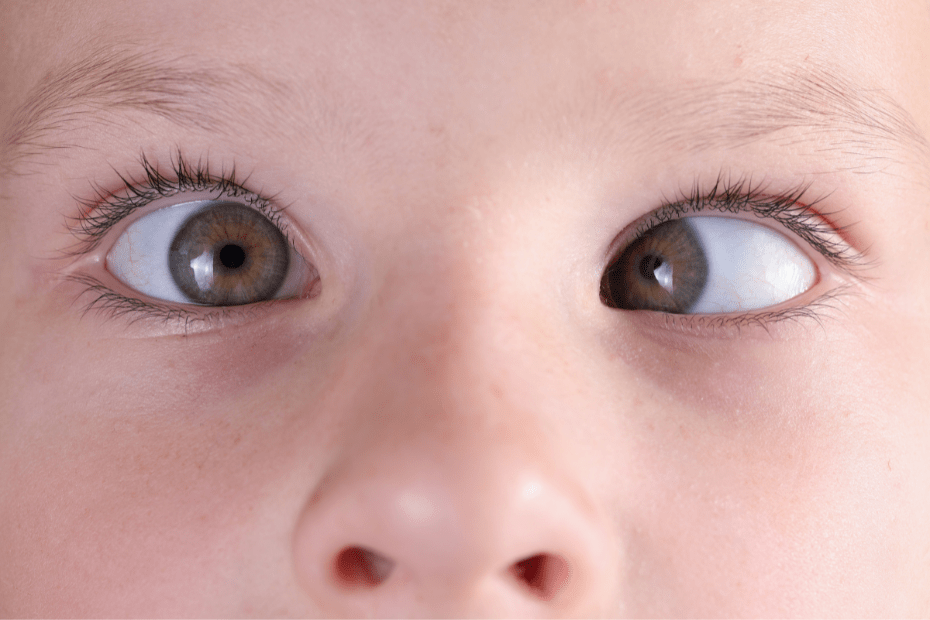
Squint can develop in children or adults due to imbalance in eye muscles, nerve issues, or other conditions. Common causes include:
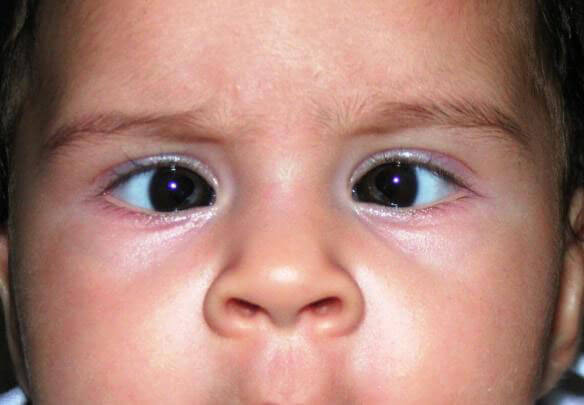
Squint treatment depends on the type, severity, and age of the patient. Options include:
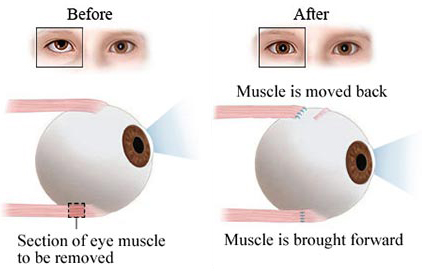
Most patients recover quickly after squint surgery. Proper care ensures best results:
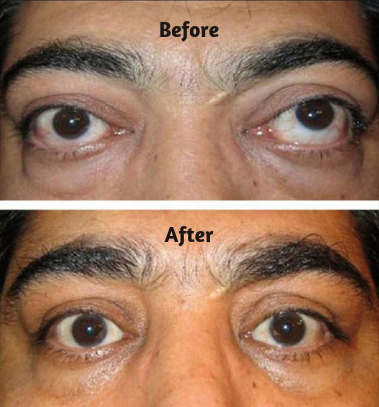
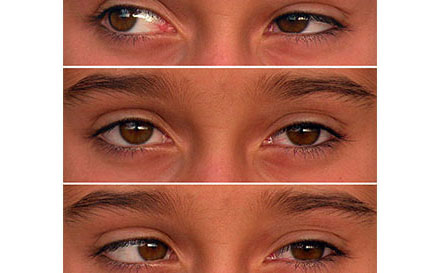
Everything you need to know about squint (strabismus) — symptoms, diagnosis, treatment, and why Dr. Vishal Maniar is trusted for advanced squint correction.
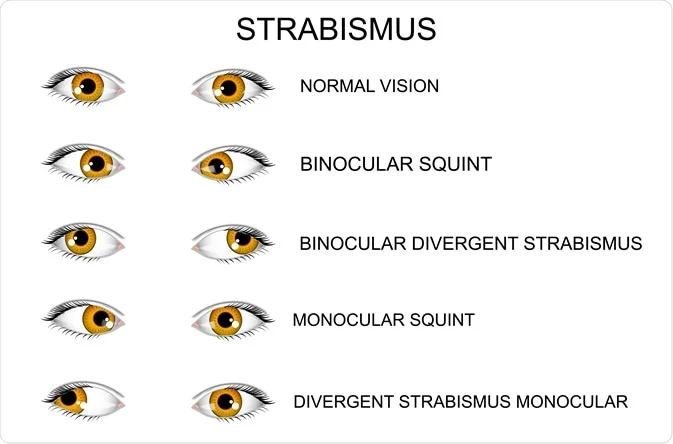
Squint, also known as strabismus, is a condition where the eyes are not properly aligned and point in different directions. One eye may look straight while the other turns inward, outward, upward, or downward. If untreated, it can lead to double vision, eye strain, or lazy eye (amblyopia). Squint surgery helps realign the eyes for improved vision and appearance.
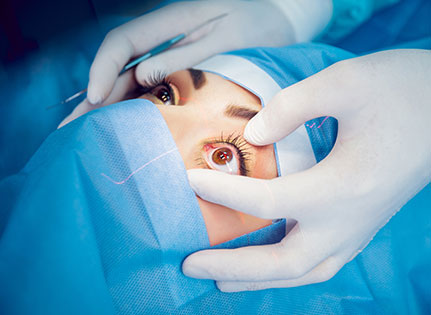

Squint surgery is generally very safe, but possible risks may include infection, temporary double vision, overcorrection or undercorrection, scarring, or need for a second surgery in rare cases. With expert surgical care and follow-up, risks are minimal and outcomes are highly successful.