Oculoplasty Surgery

Oculoplasty Surgery

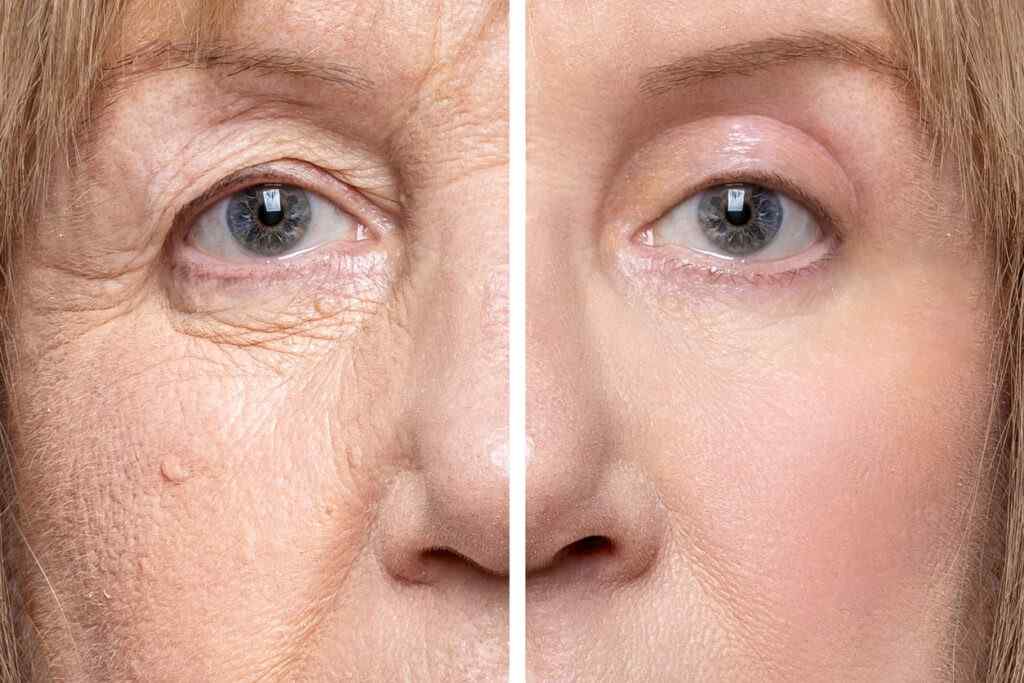
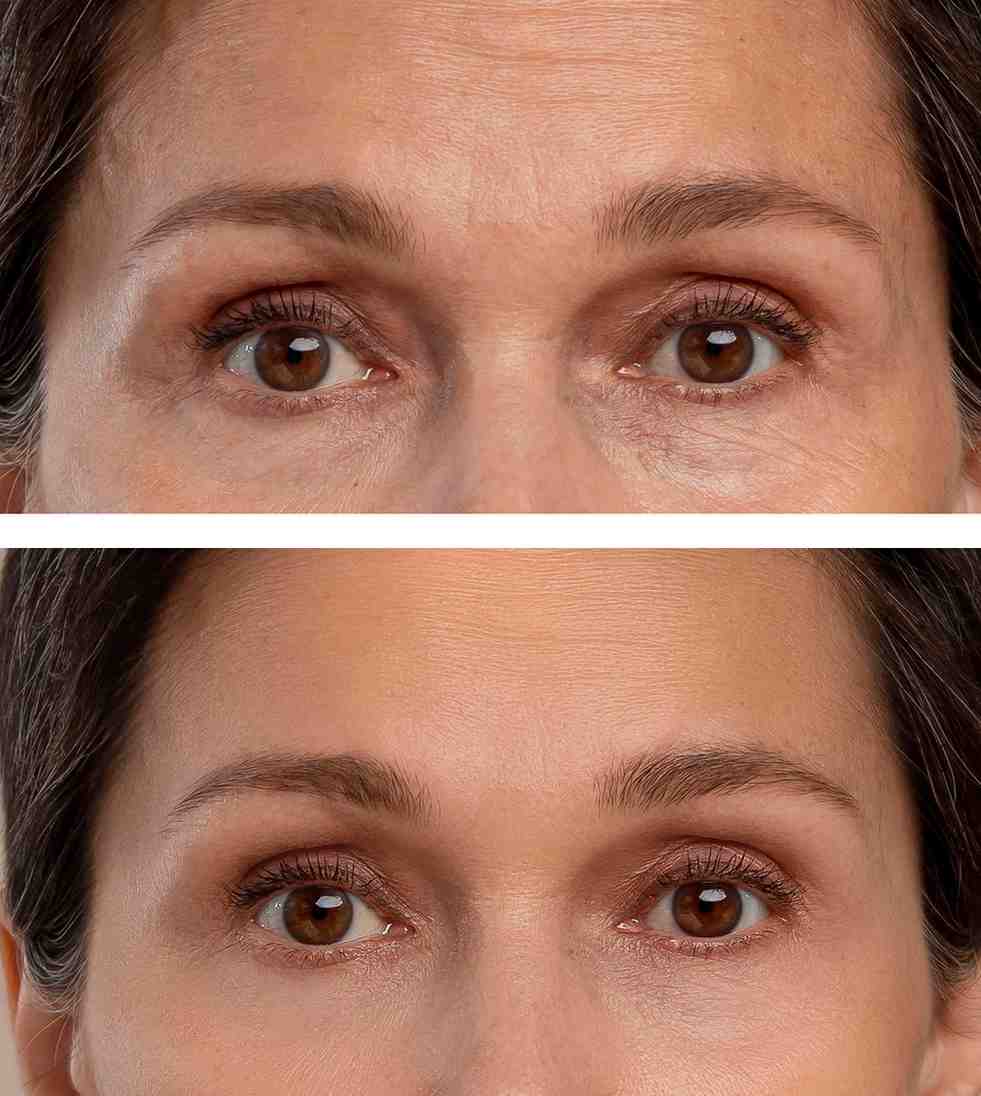
Oculoplasty (Oculoplastic & Reconstructive Surgery) is a specialized branch of ophthalmology that deals with the treatment of conditions affecting the eyelids, tear ducts, orbit (eye socket), and surrounding facial structures. These issues can arise due to aging, trauma, birth defects, tumors, or infections.

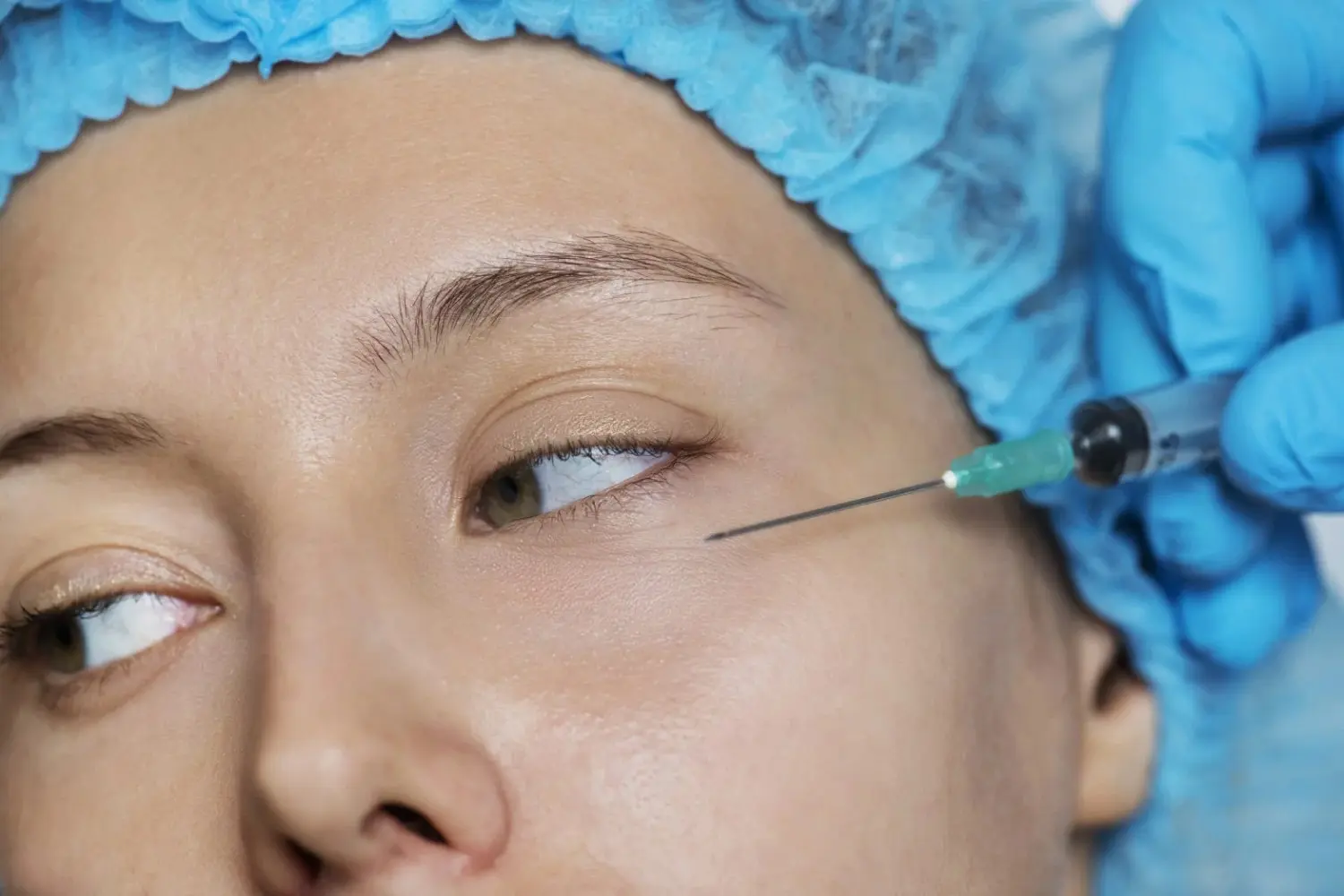
At Dr. Vishal Maniar’s Eye Clinic, we provide advanced oculoplasty procedures that not only restore the health and function of the eyes but also enhance cosmetic appearance. Common oculoplastic surgeries include eyelid correction (ptosis surgery), tear duct surgery (DCR), orbital fracture repair, removal of eyelid tumors, and cosmetic eyelid procedures (blepharoplasty).

With modern surgical techniques and personalized care, Dr. Maniar ensures safe, effective, and aesthetically satisfying outcomes for patients seeking both functional improvement and enhanced facial appearance.
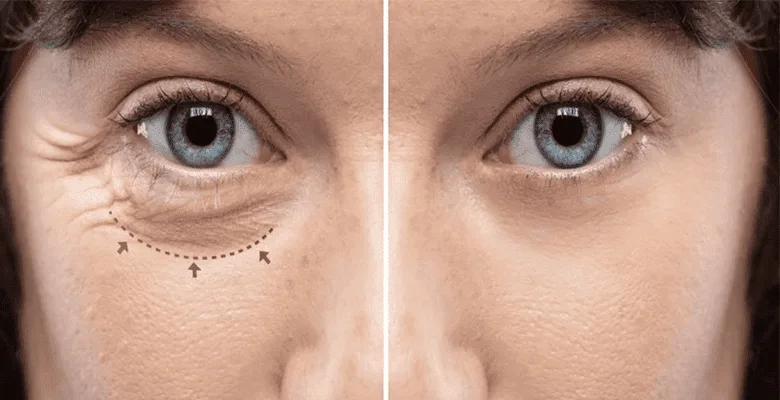
Oculoplasty Surgery by Dr. Vishal Maniar

Oculoplasty Surgery

Learn about symptoms, causes, treatment options, recovery, and prevention of eyelid, orbit, and tear duct disorders with expert oculoplasty care by Dr. Vishal Maniar.
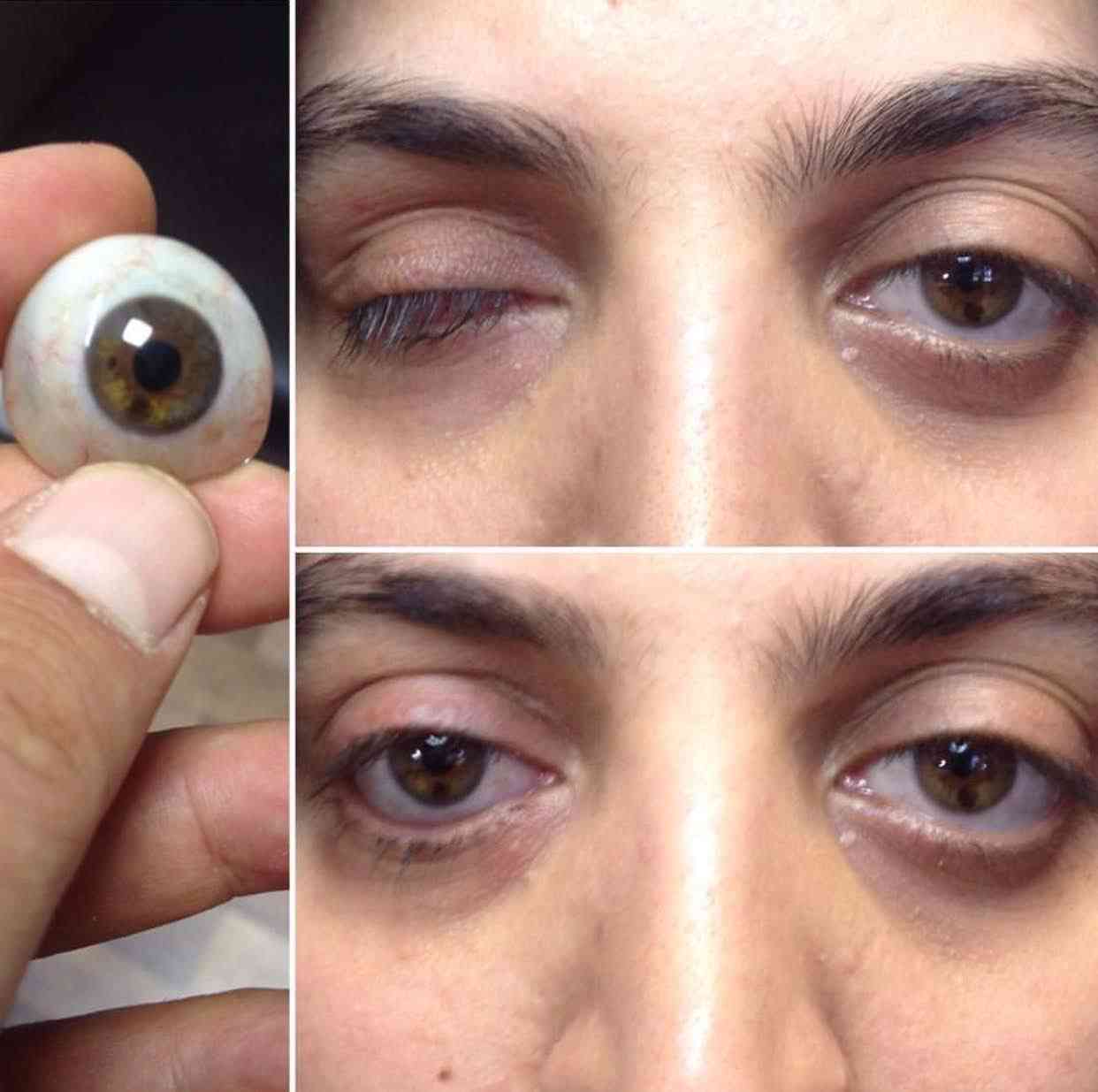
Symptoms Indicating Oculoplasty

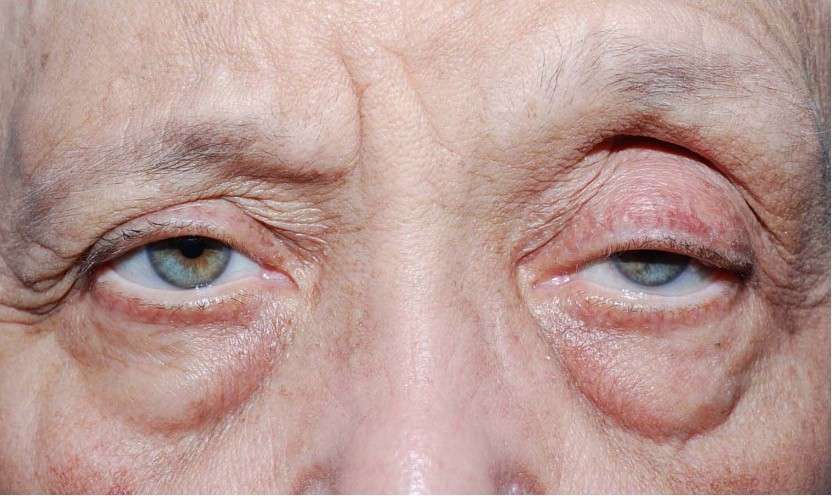
  • • Drooping eyelids (ptosis) affecting vision
  • • Excessive tearing or watery eyes
  • • Swelling or bulging of the eye (orbital issues)
  • • Eyelid turning inward (entropion) or outward (ectropion)
  • • Recurrent eye infections due to blocked tear ducts
  • • Tumors, cysts, or growths around the eyelids
  • • Cosmetic concerns like baggy eyelids or asymmetry
  • • Pain, discomfort, or trauma around the eye socket
Symptoms of Oculoplasty Conditions

Causes of Oculoplastic Problems

Oculoplastic issues may arise due to medical conditions, aging, trauma, or congenital defects. Common causes include:
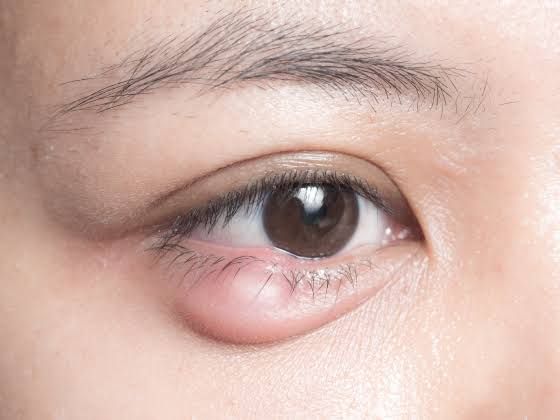
  • • Age-related eyelid changes (sagging, baggy eyelids)
  • • Congenital eyelid or tear duct abnormalities
  • • Facial or orbital trauma
  • • Chronic eye infections or blocked tear ducts
  • • Thyroid eye disease
  • • Benign or malignant eyelid/orbital tumors
  • • Neurological or muscular conditions affecting eyelid movement
  • • Post-surgical or reconstructive needs
Causes of Oculoplastic Disorders

Treatment Options

Oculoplasty treatment is tailored to restore both function and cosmetic appearance of the eyes and surrounding structures. Options include:
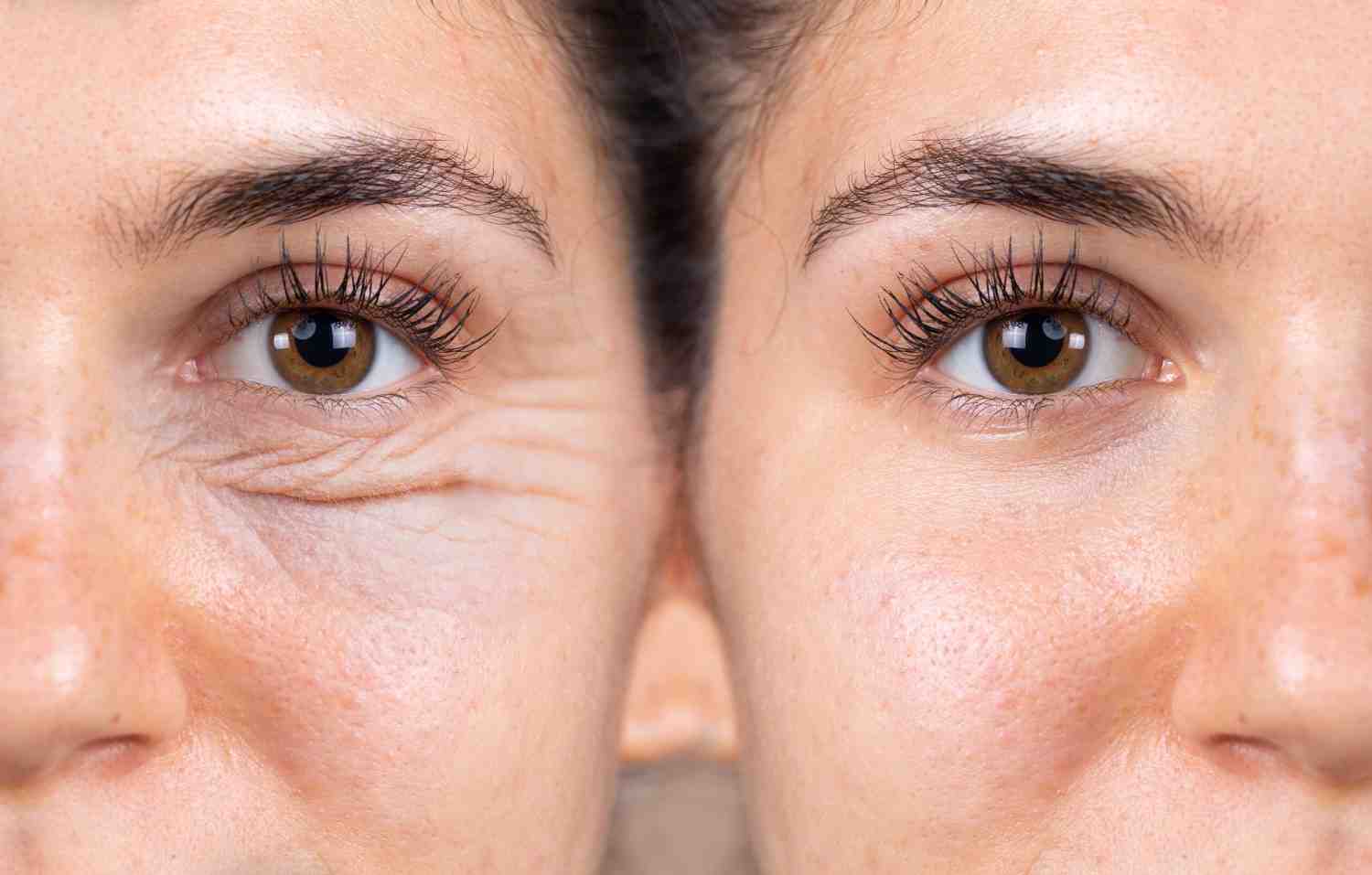
  • Ptosis Surgery: Corrects drooping eyelids for better vision.
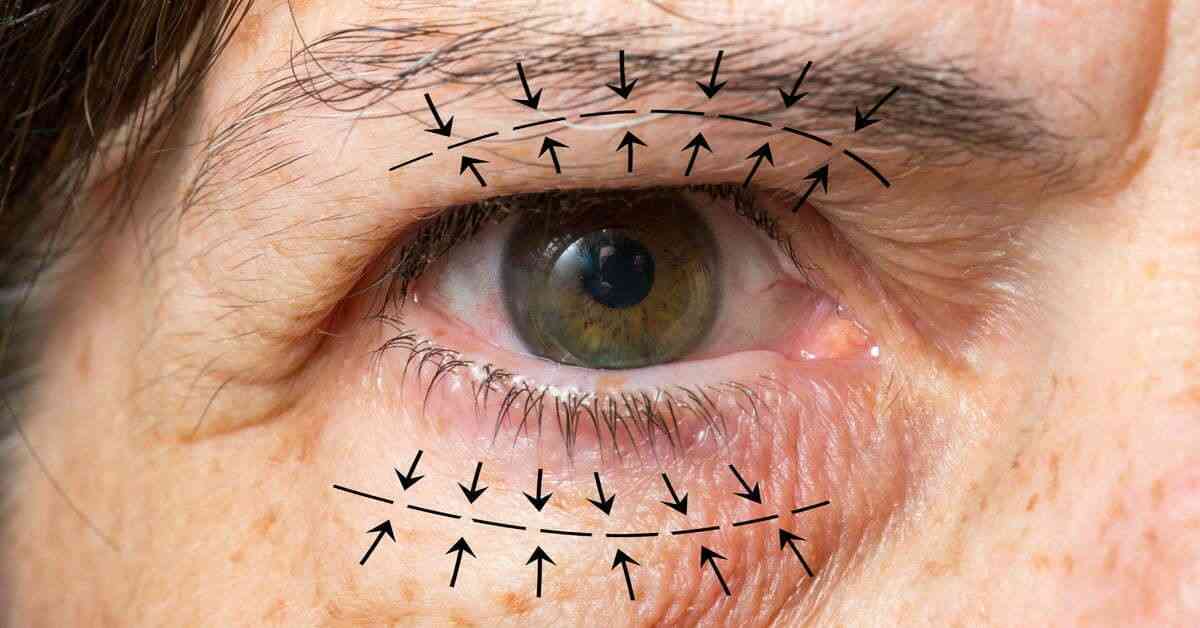
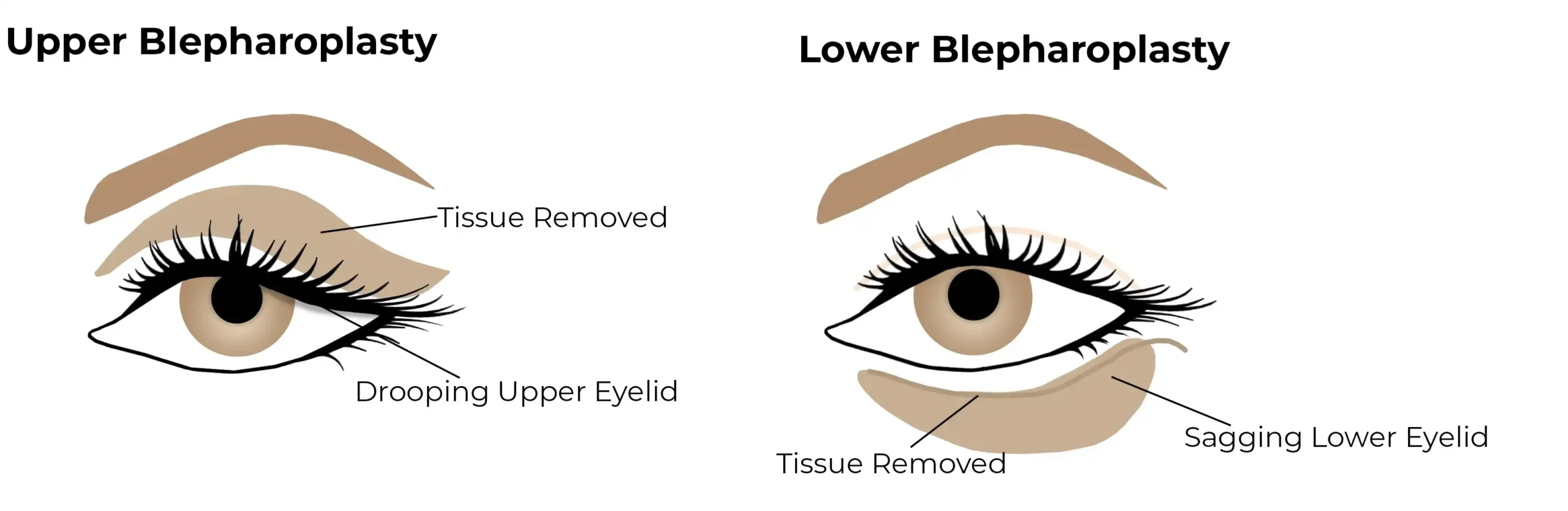
  • Blepharoplasty: Removes excess skin or fat for functional and cosmetic improvement.
  • DCR (Dacryocystorhinostomy): Restores tear drainage in blocked tear ducts.
  • Entropion/Ectropion Repair: Corrects inward/outward eyelid turning.
  • Orbital Surgery: Manages fractures, tumors, or bulging eyes.
  • Reconstructive Surgery: Repairs eyelid or orbital defects after trauma or tumor removal.
  • Cosmetic Enhancements: Eyelid lifts and rejuvenation for aesthetic improvement.
Oculoplasty Treatment Options

Recovery & Aftercare

Recovery from oculoplasty surgery depends on the type of procedure, but with proper care, results are long-lasting:
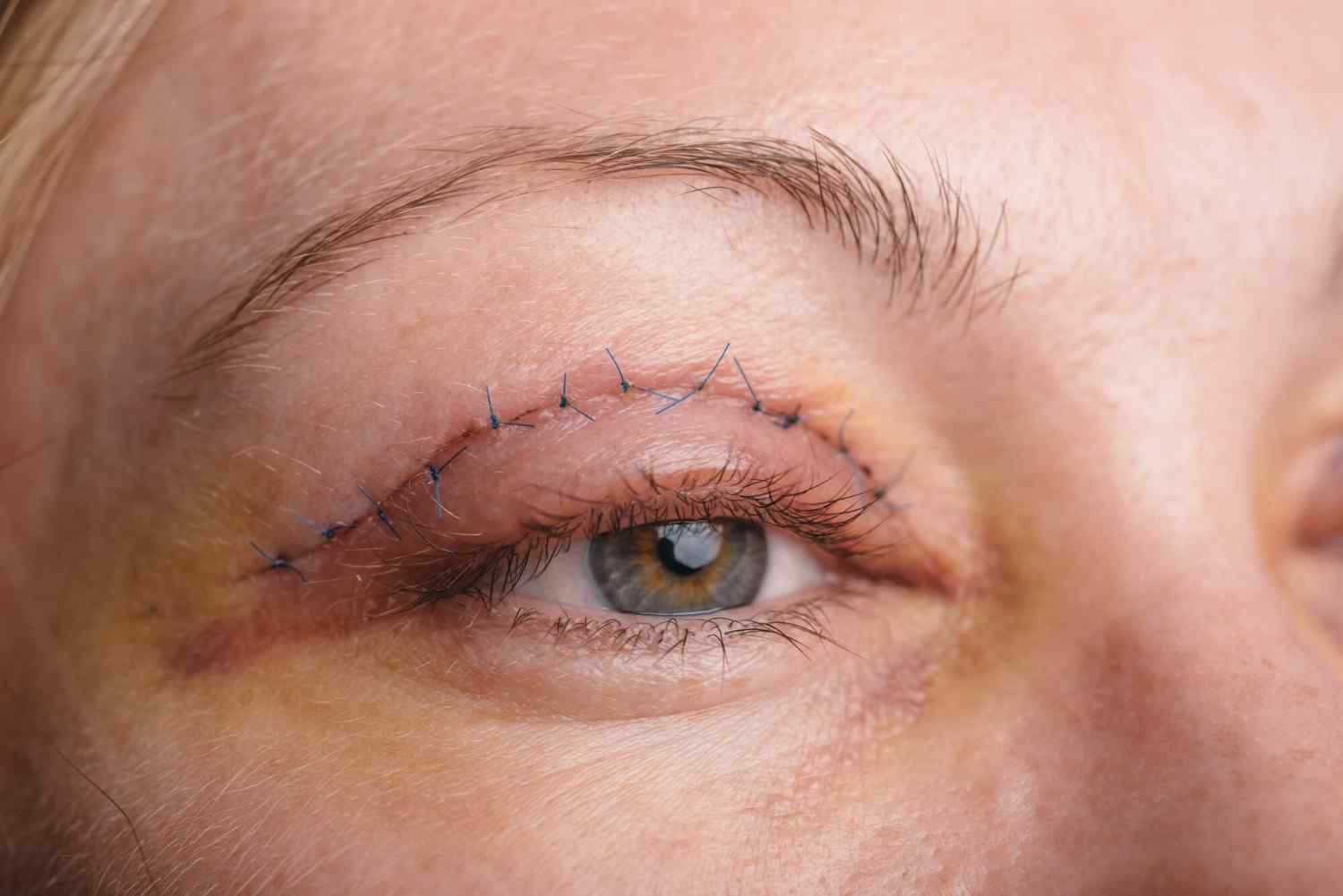
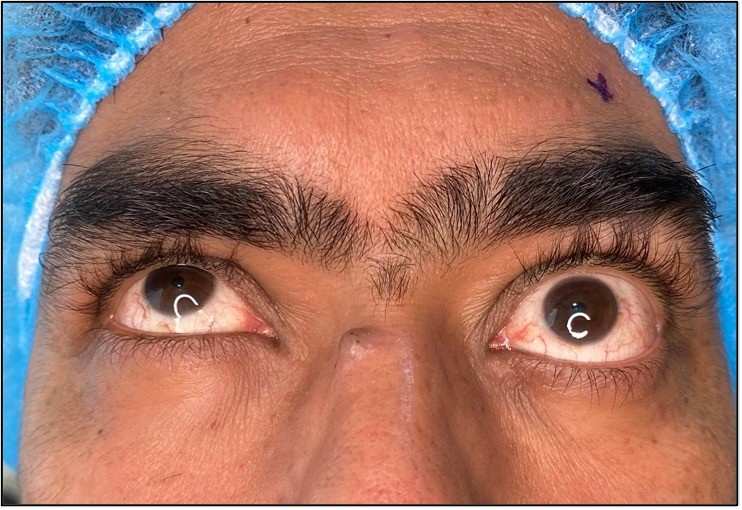
  • • Mild swelling or bruising may occur for a few days
  • • Use cold compresses to reduce swelling
  • • Apply prescribed eye ointments and drops as advised
  • • Avoid rubbing the eyes or applying makeup for 1–2 weeks
  • • Limit strenuous activity and protect eyes from dust and sunlight
  • • Attend regular follow-up visits to monitor healing
  • • Most patients return to normal activities within 1–2 weeks
Oculoplasty Surgery Recovery

Prevention & Eye Care Tips

  • • Schedule routine eye exams for early detection of eyelid/orbital issues
  • • Protect eyes from trauma with safety eyewear
  • • Treat infections promptly to avoid complications
  • • Manage thyroid, diabetes, and systemic conditions effectively
  • • Follow good eyelid hygiene to prevent recurrent infections
  • • Seek early medical help for eyelid drooping, tearing, or swelling
  • • Maintain a healthy lifestyle for better skin and eye health
Preventing Oculoplasty Issues

Oculoplasty Surgery

Everything you need to know about Oculoplasty Surgery — symptoms, diagnosis, treatment options, and why Dr. Vishal Maniar is trusted for advanced eyelid, orbit, and tear duct procedures.
What is Oculoplasty Surgery

What is Oculoplasty?

Oculoplasty (Oculoplastic & Reconstructive Surgery) is a specialized field of eye care that focuses on correcting medical and cosmetic conditions of the eyelids, tear ducts, orbit (eye socket), and surrounding structures. It helps restore normal eye function, comfort, and appearance, improving both vision and aesthetics.
Types of Oculoplasty Surgery

Types of Oculoplasty Procedures

  • Ptosis Surgery: Corrects drooping eyelids.
  • Blepharoplasty: Removes excess eyelid skin or fat for functional/cosmetic reasons.
  • DCR (Dacryocystorhinostomy): Restores drainage in blocked tear ducts.
  • Entropion/Ectropion Repair: Corrects eyelid turning inward/outward.
  • Orbital Surgery: Treats fractures, tumors, or bulging eyes.
  • Reconstructive Surgery: Repairs eyelid/orbit defects after trauma or tumor removal.
  • Cosmetic Enhancements: Eyelid lifts and rejuvenation procedures.
Diagnosis in Oculoplasty

Diagnosis

  • Comprehensive Eye Exam: Assesses eyelid and orbital health.
  • Tear Duct Tests: Identifies blocked tear drainage.
  • Imaging (CT/MRI): Evaluates orbital fractures, tumors, or swelling.
  • Visual Field Tests: Checks if drooping eyelids affect vision.
  • Clinical Photography: Used for planning reconstructive and cosmetic surgeries.
Candidate for Oculoplasty Surgery

Who is a Candidate?

  • Patients with drooping or sagging eyelids affecting vision.
  • People with blocked tear ducts or chronic watery eyes.
  • Those with eyelid tumors, cysts, or trauma-related damage.
  • Individuals with thyroid-related eye problems.
  • Patients seeking cosmetic eyelid improvement (eye bags, wrinkles).
Benefits of Oculoplasty Surgery

Benefits

  • Restores proper eyelid and tear duct function.
  • Improves vision obstructed by drooping eyelids.
  • Reduces irritation, infections, and watering of eyes.
  • Repairs trauma or defect-related eye problems.
  • Enhances facial symmetry and cosmetic appearance.
  • Boosts self-confidence and comfort.
Risks of Oculoplasty Surgery

Risks

Oculoplasty is generally safe, but as with any surgery, some risks may include temporary swelling, bruising, scarring, infection, or asymmetry. Rarely, revision surgery may be required. With expert surgical techniques and proper aftercare, risks are minimal and outcomes are highly successful.