OCT Scan YAG Laser

OCT Scan & YAG Laser

OCT Scan (Optical Coherence Tomography) and YAG Laser Treatment are advanced diagnostic and therapeutic technologies used to detect and treat various eye conditions with precision.

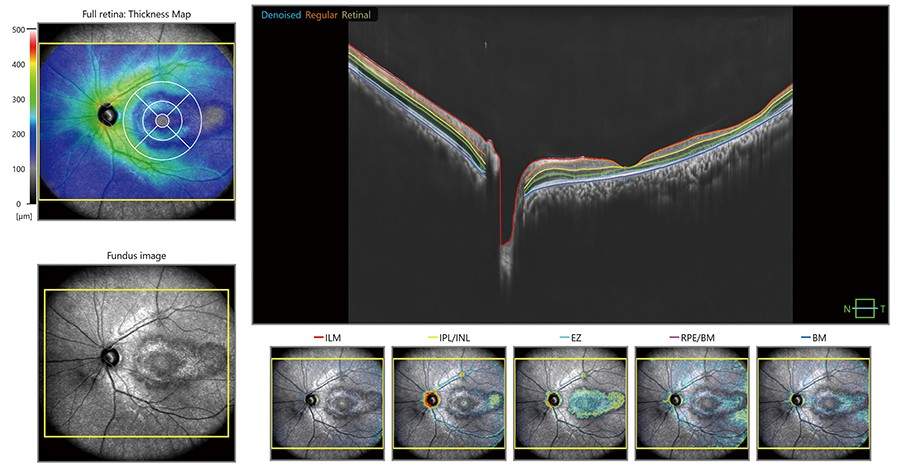
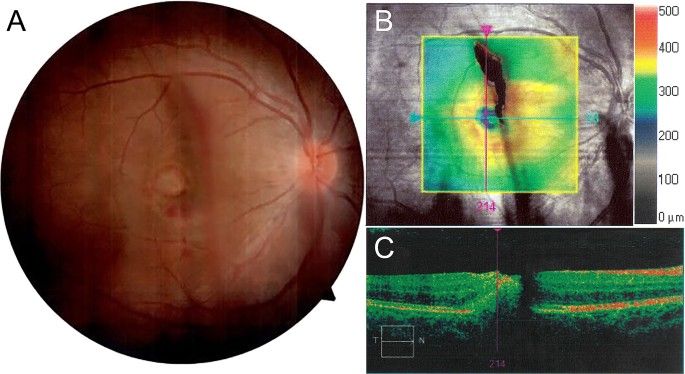
At Dr. Vishal Maniar’s Eye Clinic, we use OCT scans to capture detailed cross-sectional images of the retina, macula, and optic nerve. This non-invasive test helps diagnose conditions such as glaucoma, diabetic retinopathy, age-related macular degeneration (AMD), and other retinal diseases at an early stage.

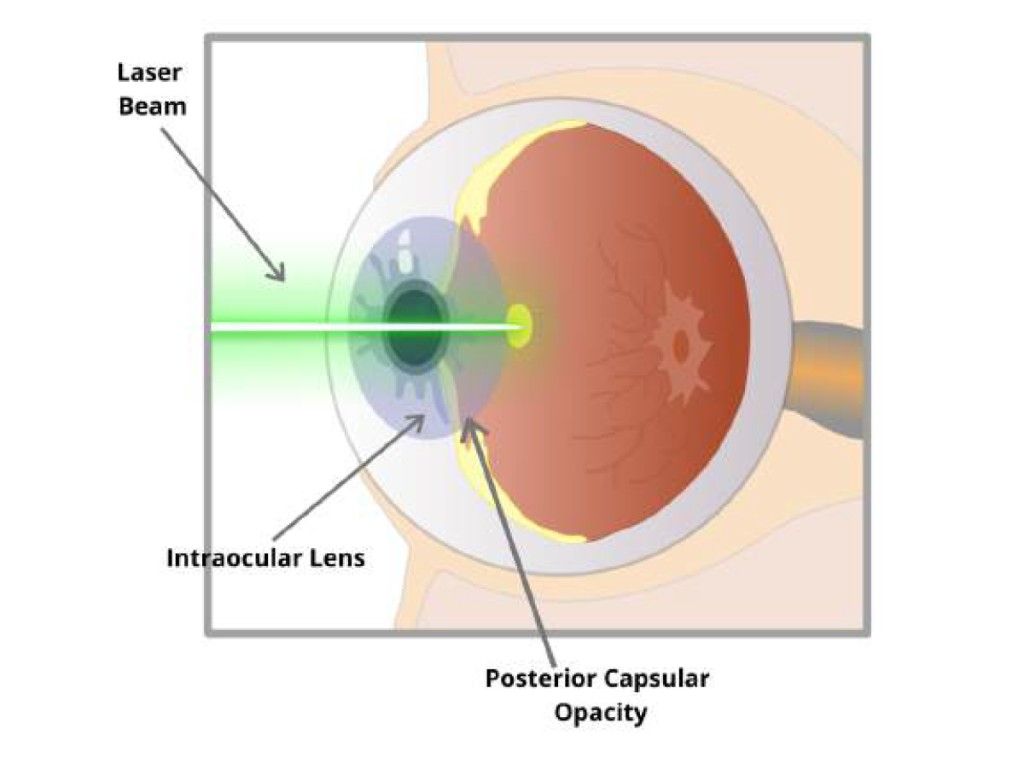
The YAG Laser is commonly used for treating posterior capsular opacification (secondary cataract) after cataract surgery and glaucoma-related conditions. This quick, painless procedure restores vision clarity by creating an opening in the cloudy capsule or improving fluid drainage in the eye.

With a combination of state-of-the-art OCT imaging and precision-guided YAG laser treatments, Dr. Maniar ensures accurate diagnosis and safe, effective treatment for long-term eye health.
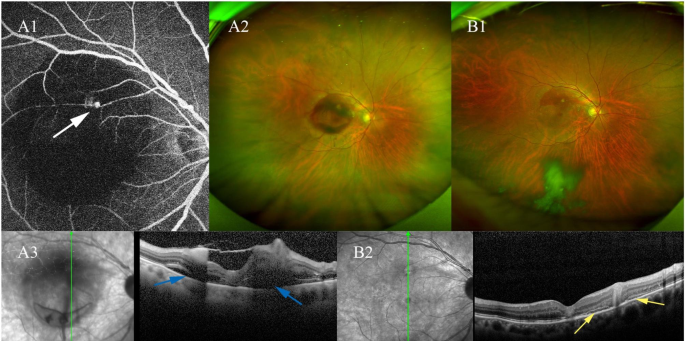
OCT Scan & YAG Laser by Dr. Vishal Maniar

OCT Scan & YAG Laser

Advanced diagnostic and treatment technologies — OCT Scan for early detection of retinal and optic nerve diseases, and YAG Laser for painless, precise eye treatments including secondary cataract and glaucoma management.
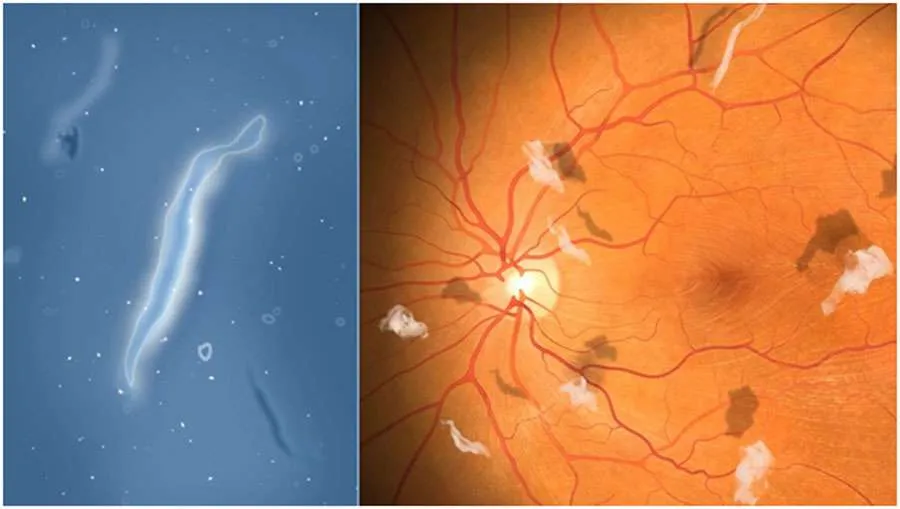
When is OCT Scan & YAG Laser Needed?

  • • Blurred or cloudy vision after cataract surgery (secondary cataract)
  • • Gradual or sudden vision changes
  • • Dark spots, floaters, or distorted vision
  • • Glaucoma monitoring and treatment
  • • Macular degeneration (central vision loss)
  • • Diabetic retinopathy or retinal swelling
  • • Optic nerve evaluation for glaucoma and other diseases
  • • Persistent glare or halos around lights
When OCT Scan & YAG Laser is Needed

Eye Conditions Diagnosed & Treated

OCT Scan and YAG Laser are useful for a wide range of eye conditions:
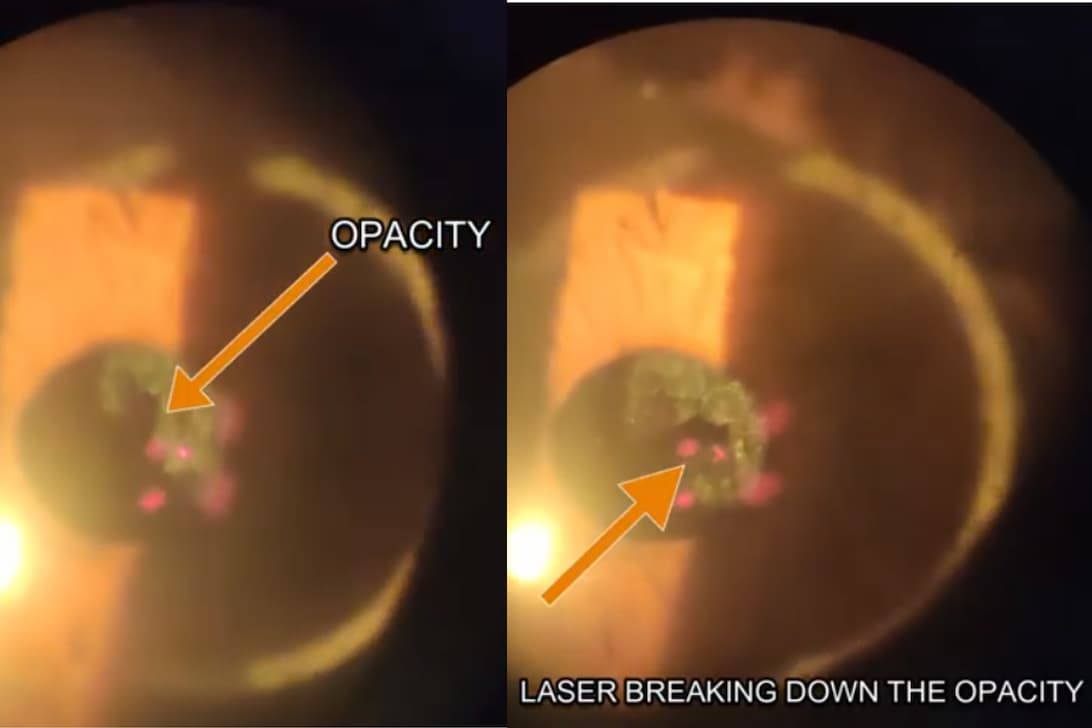
  • • Posterior capsular opacification (secondary cataract)
  • • Glaucoma (diagnosis and pressure management)
  • • Age-related macular degeneration (AMD)
  • • Diabetic retinopathy and macular edema
  • • Retinal detachment or tears (diagnosis)
  • • Optic nerve diseases
  • • Corneal abnormalities
OCT Scan and YAG Laser Eye Conditions

How OCT Scan & YAG Laser Work

OCT Scan: A non-invasive imaging test that uses light waves to capture detailed cross-sectional images of the retina and optic nerve, enabling early detection of eye diseases.

YAG Laser Treatment: A safe and painless laser procedure used to clear secondary cataracts or create drainage openings in glaucoma patients to reduce intraocular pressure.
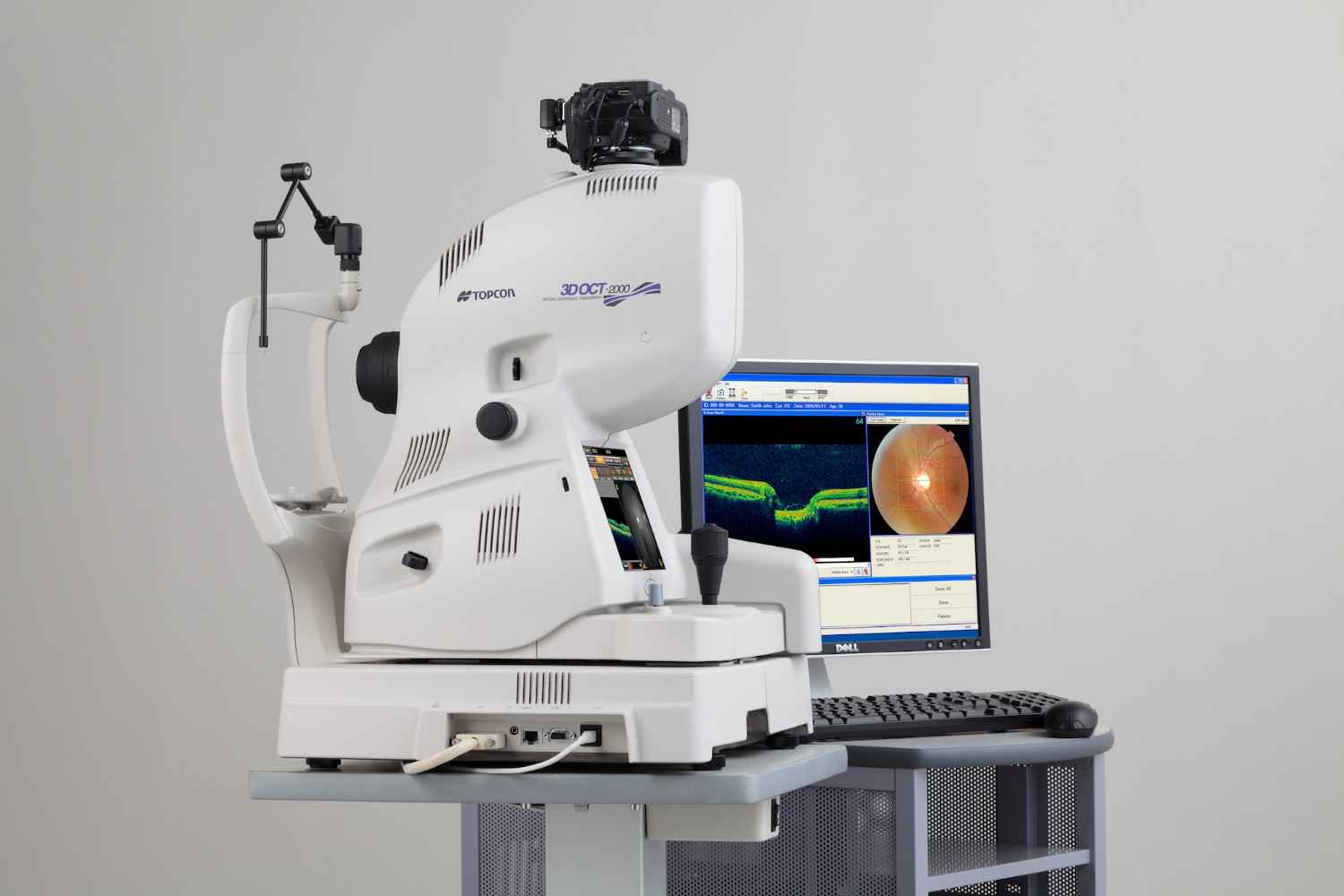
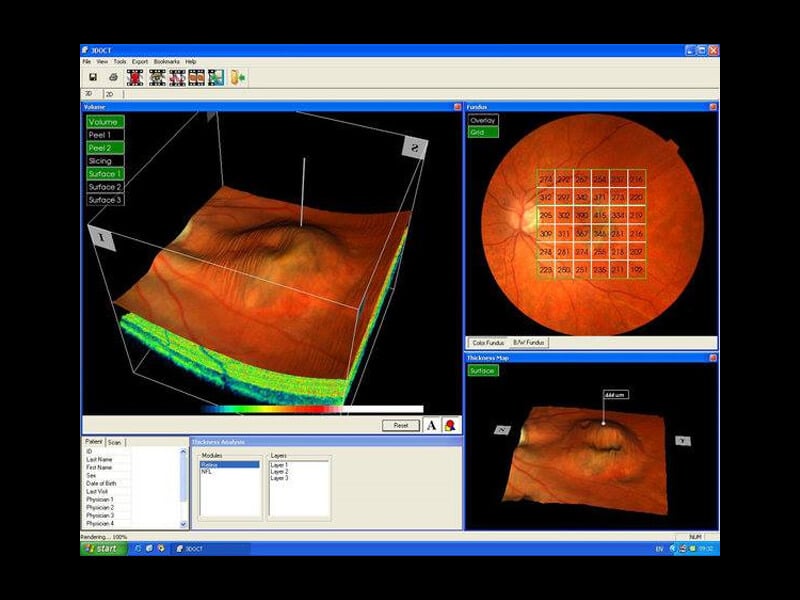
OCT Scan and YAG Laser Procedures

Benefits of OCT Scan & YAG Laser

  • • Early detection of sight-threatening diseases
  • • Painless and non-invasive diagnostic method
  • • Quick recovery after YAG Laser treatment
  • • Improves vision clarity after cataract surgery
  • • Prevents progression of glaucoma and retinal diseases
  • • High accuracy in monitoring treatment outcomes
Benefits of OCT Scan and YAG Laser

Post-Test & Post-Treatment Care

After OCT scans and YAG laser procedures, follow these guidelines for healthy eyes:

  • • Use prescribed eye drops as advised
  • • Wear sunglasses to protect from glare post-laser
  • • Avoid rubbing your eyes immediately after the procedure
  • • Schedule follow-up visits to monitor eye pressure and healing
  • • Maintain good blood sugar and blood pressure control if diabetic
OCT Scan and YAG Laser Post Care

OCT Scan & YAG Laser

Everything you need to know about OCT (Optical Coherence Tomography) Scans and YAG Laser Treatment — advanced diagnostic and treatment technologies for preserving vision and managing eye conditions effectively with Dr. Vishal Maniar.
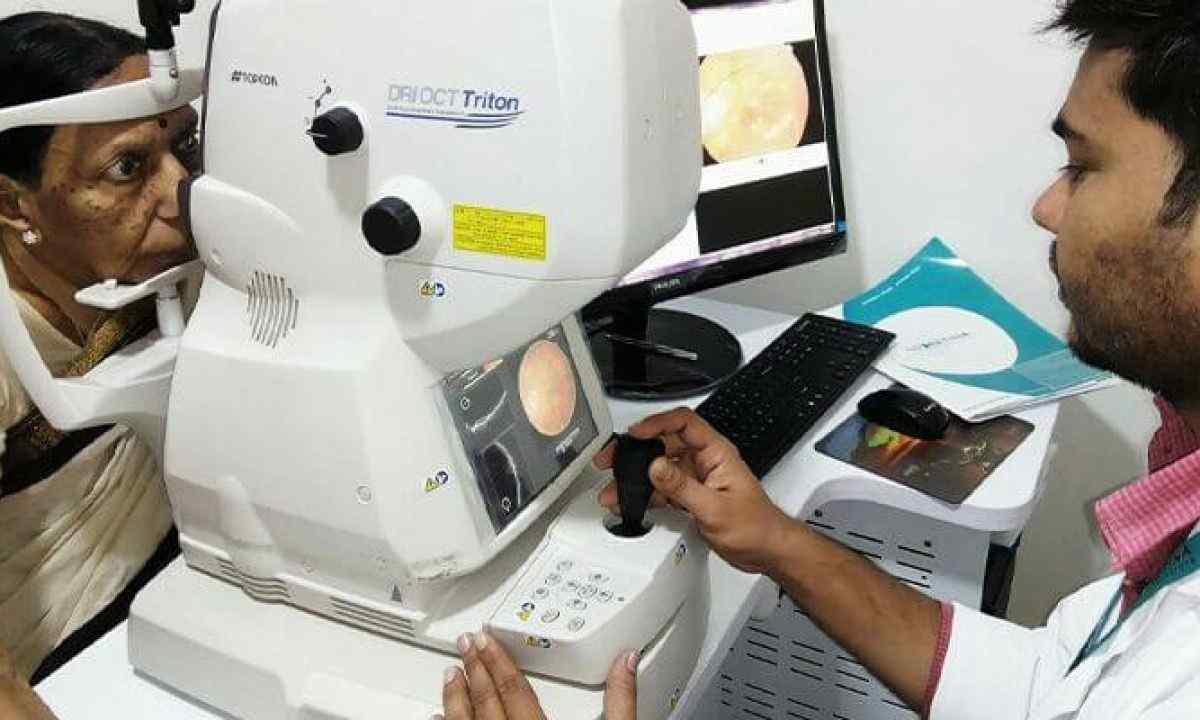
What is OCT Scan and YAG Laser

What are OCT Scan & YAG Laser?

OCT Scan is a non-invasive imaging test that uses light waves to create detailed cross-sectional images of the retina, optic nerve, and macula. YAG Laser Capsulotomy is a painless laser procedure used to treat posterior capsule opacification (PCO), a common complication after cataract surgery that causes cloudy vision.
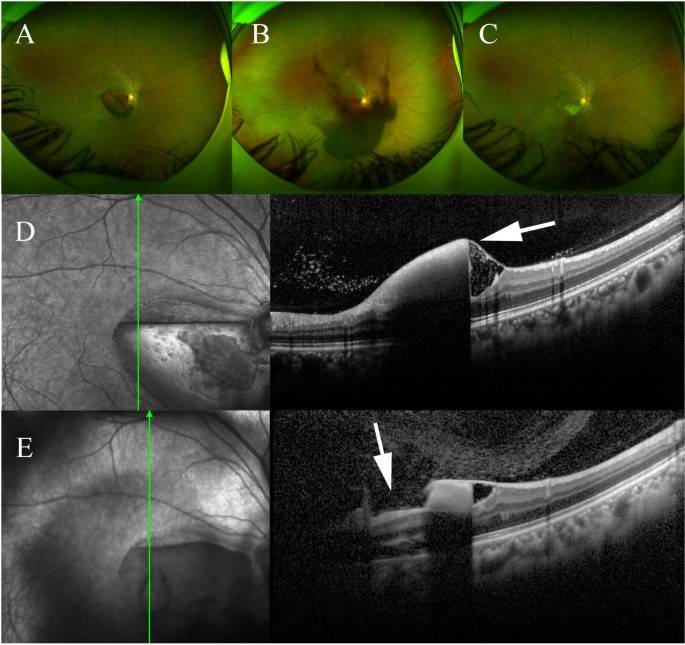
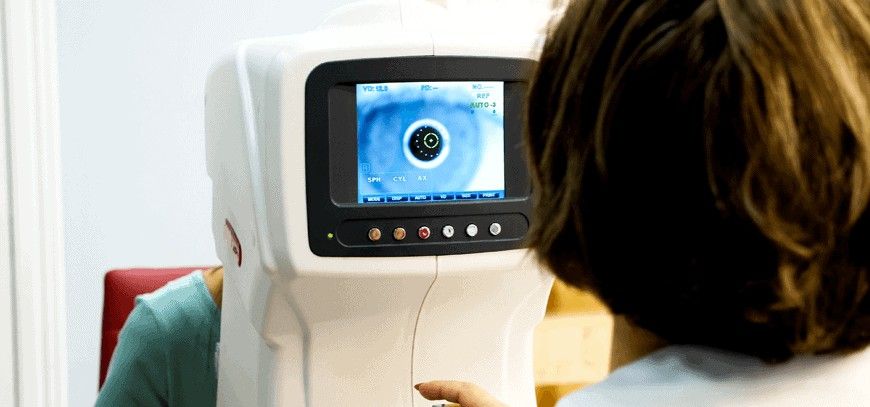
Eye Conditions Diagnosed with OCT & Treated with YAG

Conditions OCT & YAG Help With

  • OCT Scan: Detects macular degeneration, diabetic retinopathy, glaucoma, retinal swelling, and optic nerve damage.
  • YAG Laser: Clears cloudy vision after cataract surgery (secondary cataract).
  • Monitors progression of retinal diseases.
  • Assists in planning treatments for glaucoma and macular edema.
Diagnosis using OCT Scan

How They Work

  • OCT Scan: Uses light reflections to map layers of the retina in real-time.
  • Non-invasive: No contact, dye, or discomfort.
  • YAG Laser: Creates a small opening in the cloudy posterior capsule to restore vision.
  • Quick & Safe: Outpatient procedures with no stitches or hospitalization.
Who Needs OCT Scan or YAG Laser

Who Needs OCT Scan & YAG Laser?

  • Patients with diabetes, glaucoma, or macular degeneration.
  • People experiencing blurred vision or cloudy vision after cataract surgery.
  • Individuals with family history of retinal disorders.
  • Patients under regular monitoring for eye diseases.
Benefits of OCT & YAG

Benefits of OCT Scan & YAG Laser

  • Accurate and early diagnosis of retinal and optic nerve problems.
  • Restores clear and sharp vision after cataract surgery.
  • Quick, painless, and non-invasive procedures.
  • Reduces risk of irreversible vision loss.
  • Supports effective treatment planning for long-term eye health.
Risks if Ignored

Risks if Ignored

Skipping OCT scans can delay detection of sight-threatening diseases like diabetic retinopathy and glaucoma. Ignoring the need for a YAG Laser procedure can cause persistent cloudy vision, glare, and reduced quality of life. With timely OCT and YAG treatment by Dr. Vishal Maniar, patients can safeguard their vision and maintain independence.