Retina Surgery

Retina Surgery

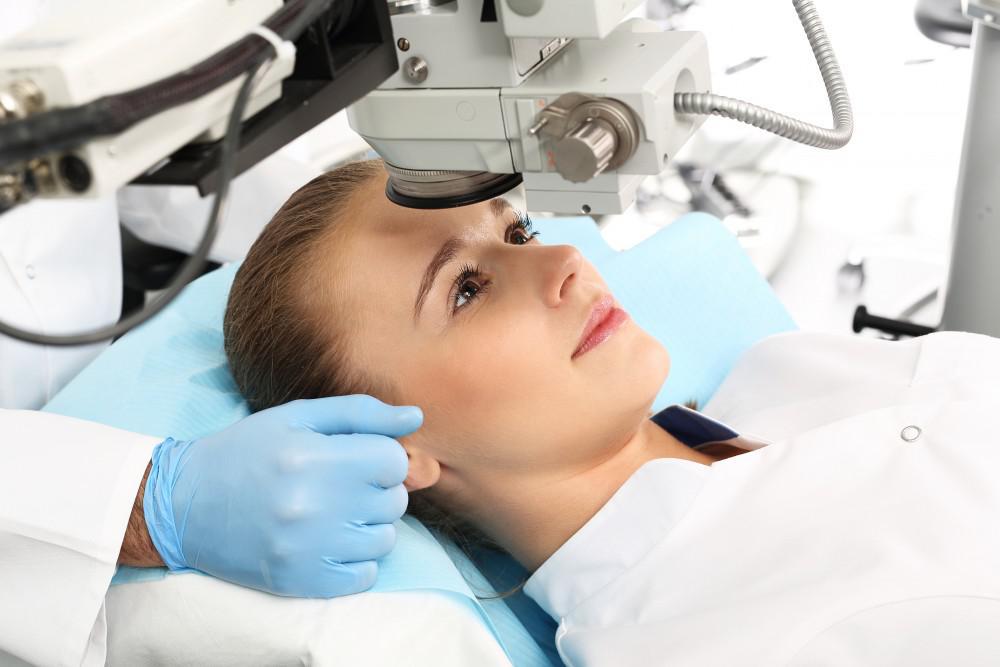
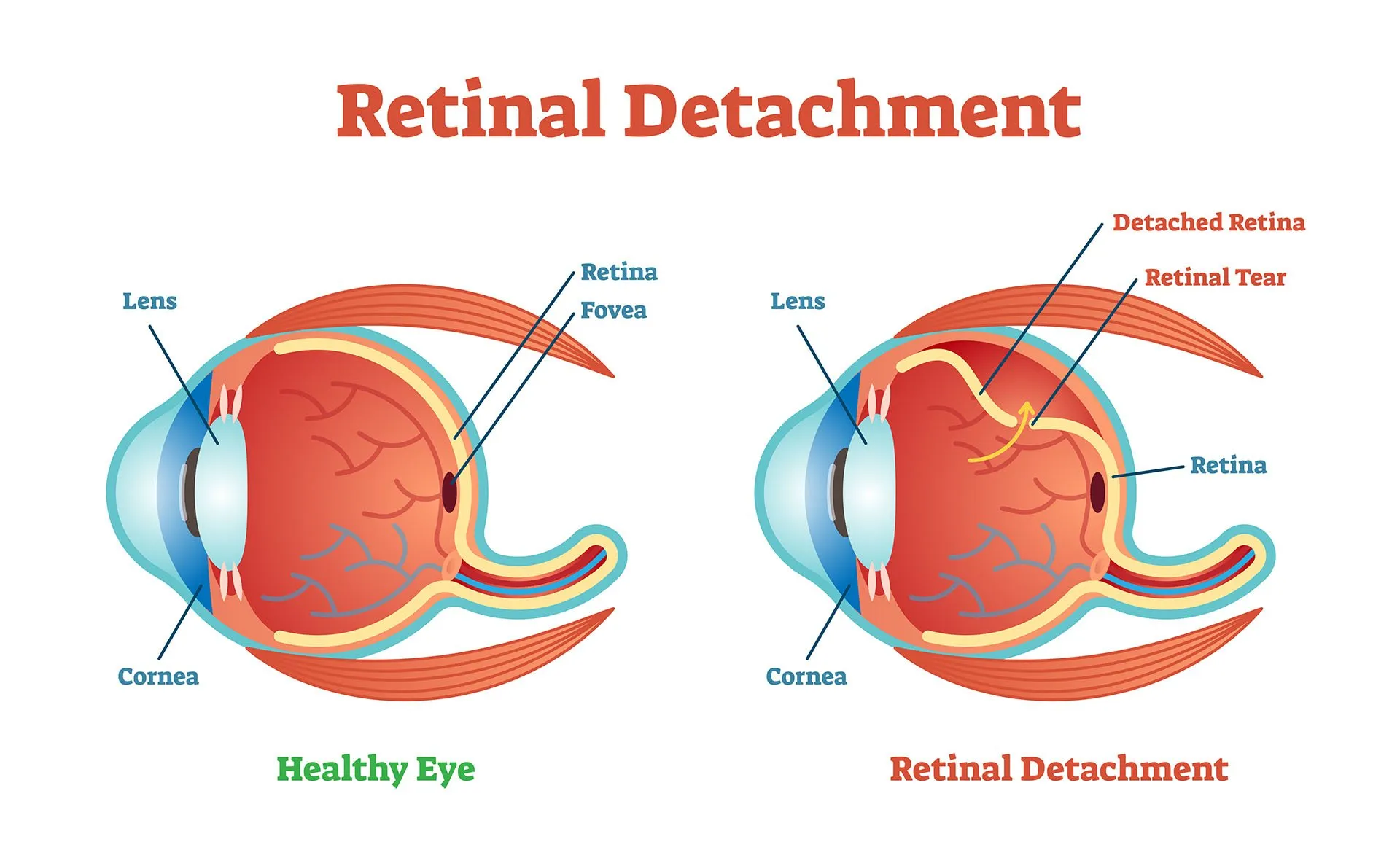
Retina is the light-sensitive layer at the back of the eye that plays a vital role in vision by sending signals to the brain. Diseases such as retinal detachment, diabetic retinopathy, macular hole, or age-related macular degeneration can damage the retina, leading to blurred vision, floaters, flashes of light, or even severe vision loss.

At Dr. Vishal Maniar’s Eye Clinic, we provide specialized care for retinal conditions using the latest techniques like vitrectomy, laser photocoagulation, cryotherapy, and intravitreal injections. With over 17 years of experience and advanced technology, Dr. Maniar ensures precise, safe, and effective retinal surgeries to preserve and restore vision.
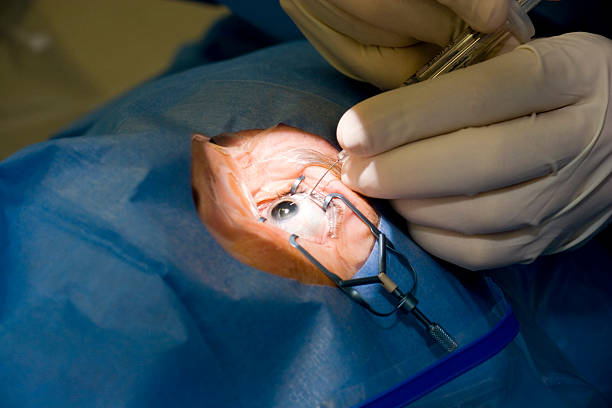
Retina Surgery by Dr. Vishal Maniar

Retina Surgery

Learn about symptoms, causes, treatment options, recovery, and prevention of retinal diseases with expert care by Dr. Vishal Maniar.
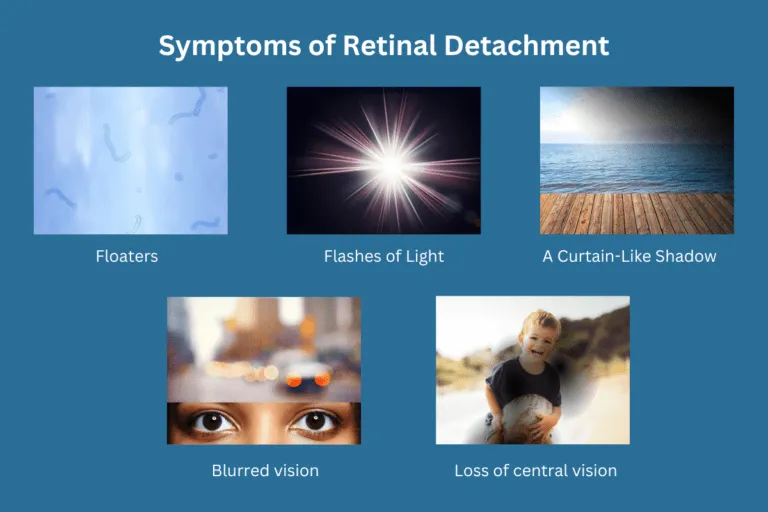
Symptoms of Retinal Diseases

  • • Sudden appearance of floaters (spots or cobwebs in vision)
  • • Flashes of light in one or both eyes
  • • Blurred or distorted central vision
  • • Dark or empty areas in vision
  • • Sudden loss of peripheral (side) vision
  • • Wavy or crooked appearance of straight lines
  • • Difficulty seeing in dim light
  • • Partial or total vision loss if untreated
Symptoms of Retinal Diseases

Causes of Retinal Problems

Retinal damage can occur due to various medical conditions, injuries, or age-related changes. Common causes include:
  • • Diabetic retinopathy (damage from uncontrolled diabetes)
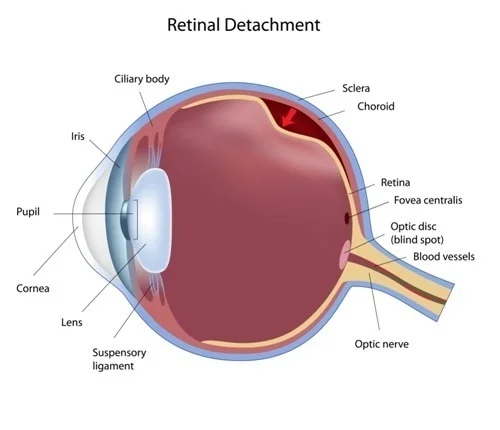
  • • Retinal detachment or tears
  • • Age-related macular degeneration (AMD)
  • • Retinal vein or artery blockages
  • • Eye trauma or injury
  • • Infections or inflammation (retinitis, uveitis)
  • • Genetic retinal disorders
  • • High myopia (severe nearsightedness)
Causes of Retinal Problems

Treatment Options

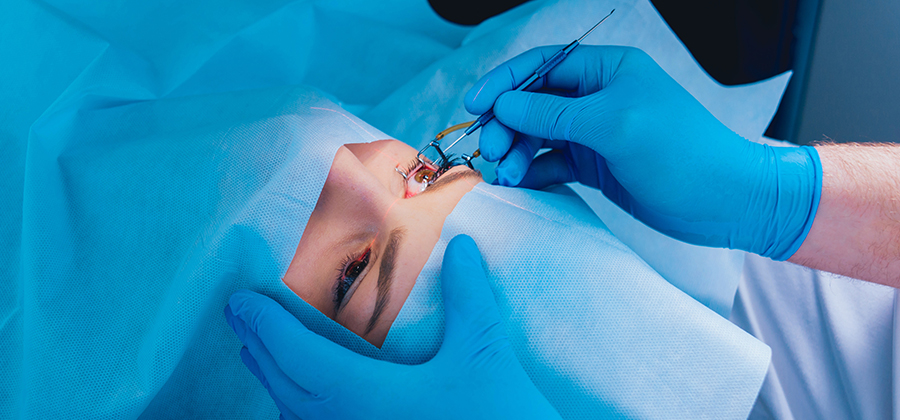
Retina surgery and treatments are designed to stop disease progression, restore vision, and prevent permanent vision loss. Options include:
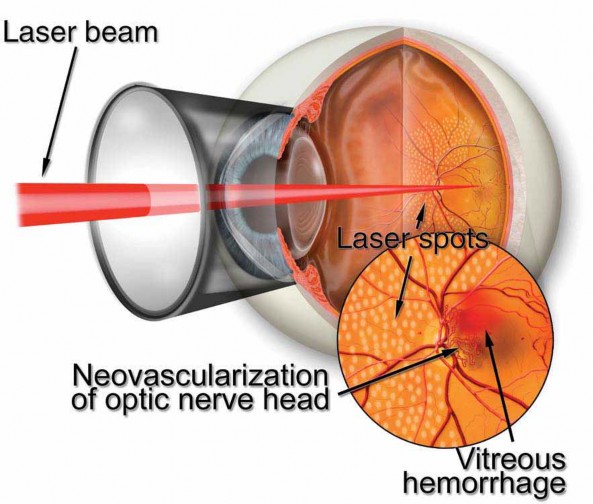
  • Laser Photocoagulation: Seals retinal tears and treats diabetic retinopathy.
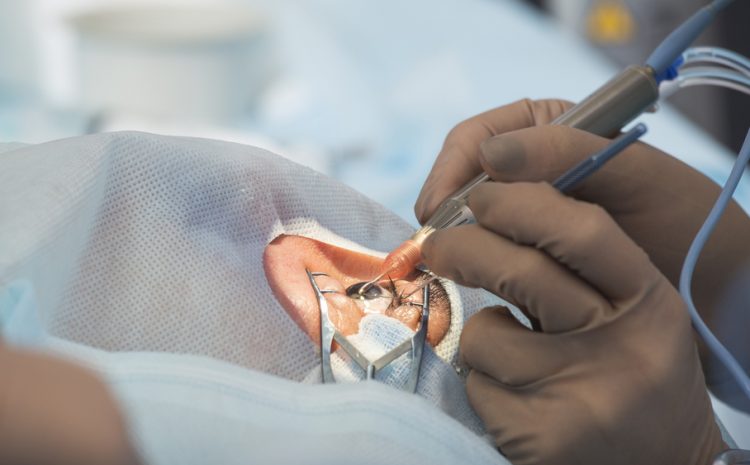
  • Vitrectomy: Removes vitreous gel to repair retinal detachment or macular hole.
  • Pneumatic Retinopexy: Gas bubble injection to reattach a detached retina.
  • Cryotherapy: Freezing therapy to seal retinal breaks.
  • Intravitreal Injections: Anti-VEGF or steroid injections for AMD and diabetic macular edema.
  • Photodynamic Therapy: Light-activated drug treatment for specific retinal conditions.
Retina Treatment Options

Recovery & Aftercare

Healing after retina surgery varies depending on the procedure. Proper care helps ensure successful outcomes:
  • • Use prescribed eye drops and medications regularly
  • • Maintain face-down positioning if advised after vitrectomy
  • • Avoid strenuous activity, heavy lifting, and bending
  • • Wear protective eyewear in bright or dusty environments
  • • Do not rub or press on the operated eye
  • • Avoid air travel until gas bubble (if used) has absorbed
  • • Attend all scheduled follow-up appointments
Retina Surgery Recovery

Prevention Tips

  • • Control blood sugar, blood pressure, and cholesterol levels
  • • Protect eyes from trauma with safety glasses
  • • Quit smoking to reduce risk of macular degeneration
  • • Maintain a diet rich in leafy greens, omega-3s, and antioxidants
  • • Get prompt treatment for eye infections and inflammation
  • • Manage conditions like diabetes and hypertension effectively
  • • Schedule regular comprehensive eye exams for early detection
Preventing Retinal Diseases

Retina Surgery

Everything you need to know about retinal diseases — symptoms, diagnosis, treatment, and why Dr. Vishal Maniar is trusted for advanced retinal care.
What is Retinal Disease

What is Retinal Disease?

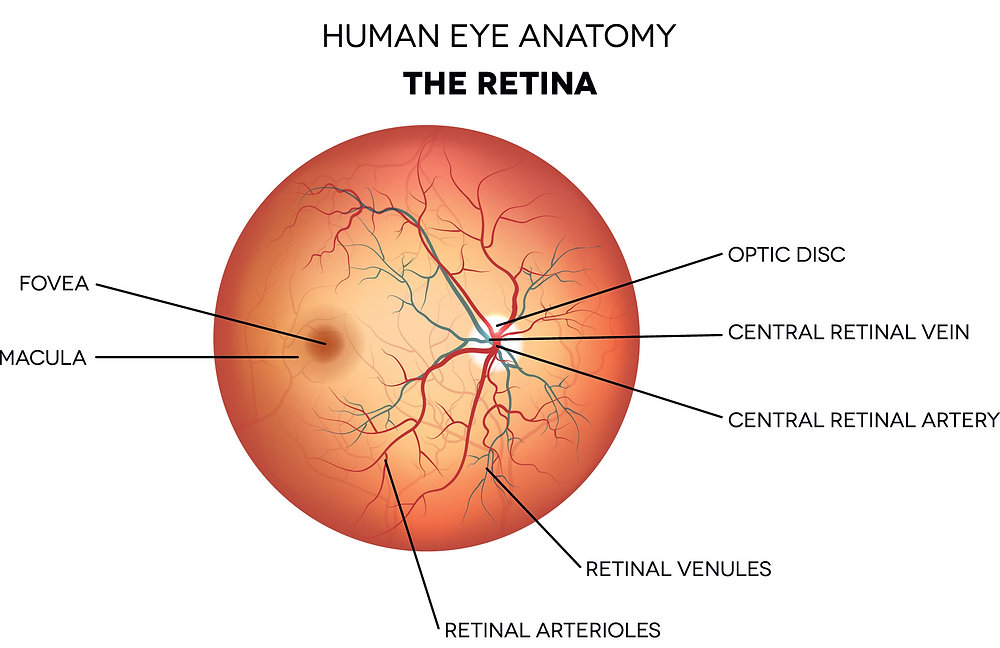
The retina is a thin layer of light-sensitive tissue at the back of the eye that converts light into signals sent to the brain for vision. Retinal diseases or injuries can cause blurred vision, distortion, or even permanent blindness if left untreated. Retina surgery helps restore and preserve vision in advanced cases.
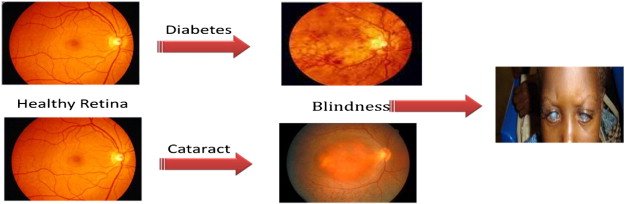
Types of Retinal Conditions

Types of Retinal Conditions

  • Retinal Detachment: Separation of the retina from the eye wall
  • Diabetic Retinopathy: Damage to retinal blood vessels due to diabetes
  • Macular Hole: A tear in the central retina (macula)
  • Macular Degeneration: Age-related degeneration of central vision
  • Retinal Vein/Artery Occlusion: Blockage of blood supply
  • Inherited Retinal Disorders: Genetic conditions affecting retinal function
Diagnosis of Retinal Diseases

Diagnosis

  • OCT (Optical Coherence Tomography): Cross-sectional retinal imaging
  • Fundus Photography: Detailed retinal photographs
  • Fluorescein Angiography: Examines retinal blood vessels
  • Ultrasound B-Scan: Imaging in opaque media or detachments
  • Visual Field Testing: Checks peripheral and central vision loss
Candidate for Retina Surgery

Who is a Candidate?

  • Patients with retinal detachment or tears
  • Advanced diabetic retinopathy with bleeding
  • Macular hole or macular degeneration
  • Retinal vein or artery blockages
  • Severe vision loss uncorrectable with glasses or medication
Benefits of Retina Surgery

Benefits

  • Preserves and restores vision
  • Stops disease progression and prevents blindness
  • Improves central and peripheral vision
  • Enhances quality of life and independence
  • Minimally invasive techniques for faster recovery
Risks of Retina Surgery

Risks

Retina surgery is highly effective, but risks may include infection, cataract formation, bleeding, increased eye pressure, or recurrence of retinal detachment. Most risks can be minimized with expert care and regular follow-up.