Low Vision Management

Low Vision Management

Low Vision Management focuses on helping patients who have permanent vision loss that cannot be fully corrected with standard glasses, contact lenses, medication, or surgery. Conditions such as age-related macular degeneration (AMD), glaucoma, diabetic retinopathy, and inherited retinal disorders are common causes of low vision.

At Dr. Vishal Maniar’s Eye Clinic, we offer specialized care for individuals with low vision through customized low vision aids, rehabilitation techniques, and lifestyle adjustments. Our approach aims to maximize remaining vision, enhance daily functioning, and improve overall quality of life.

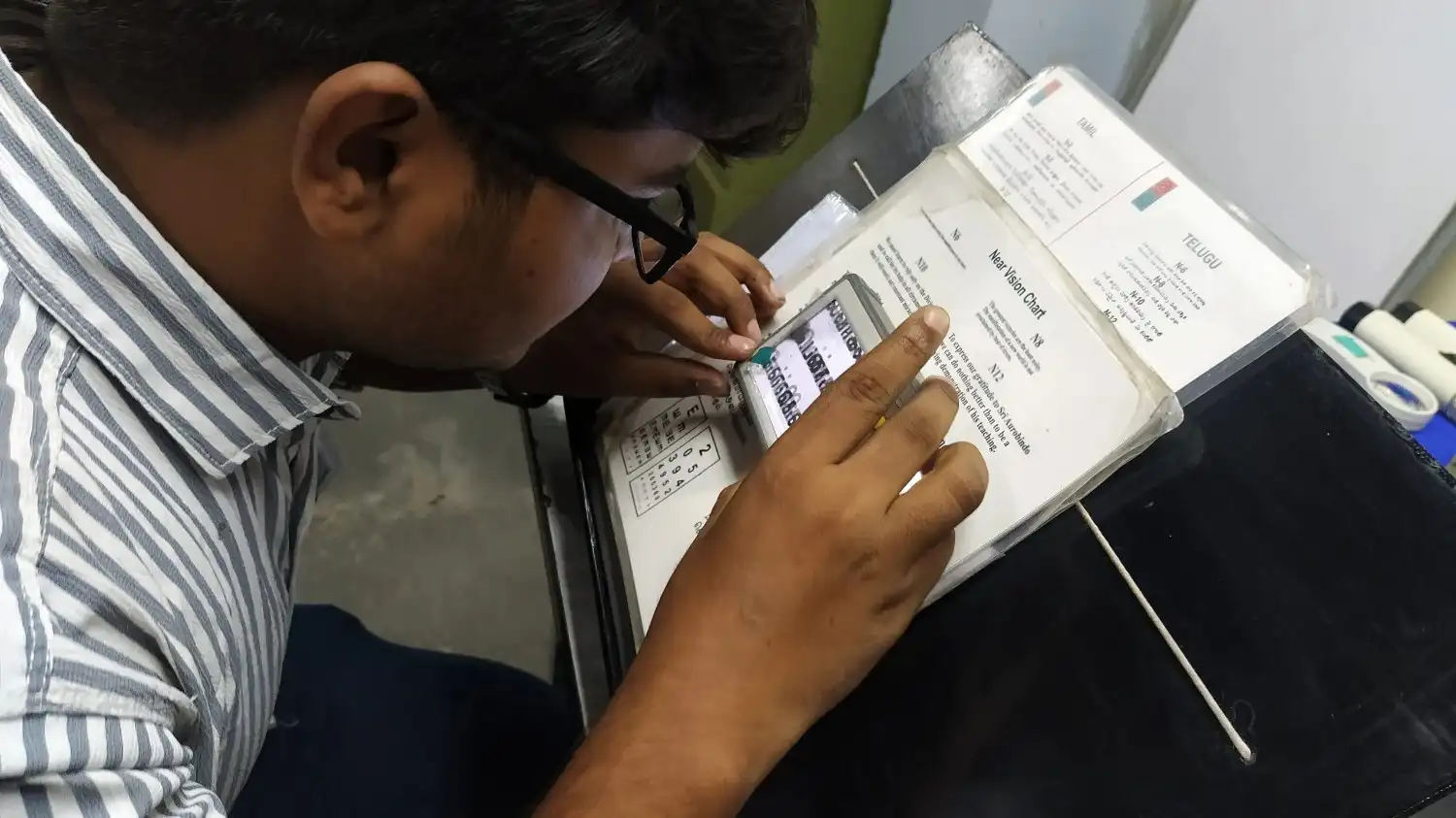
With advanced low vision devices such as magnifiers, telescopic glasses, electronic reading aids, and personalized vision therapy, Dr. Maniar ensures patients regain independence in everyday tasks such as reading, writing, mobility, and recognizing faces.
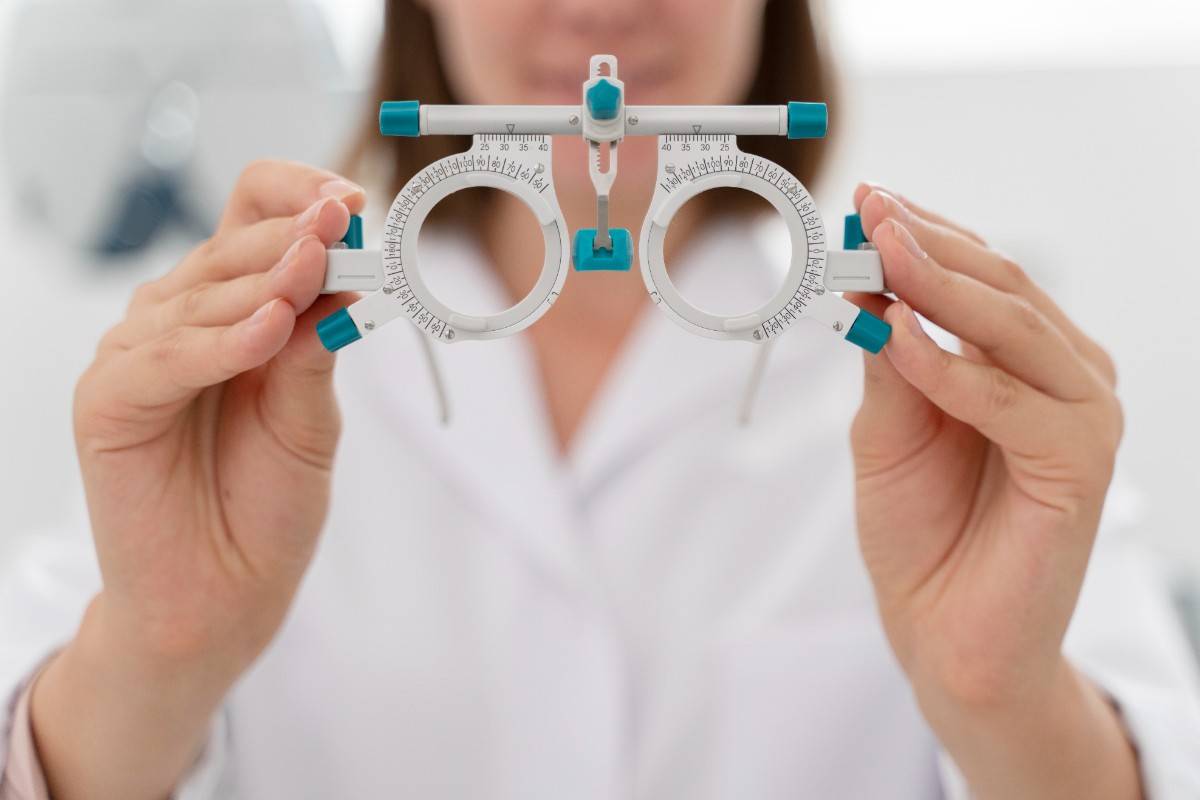
Low Vision Management by Dr. Vishal Maniar

Low Vision Management

Specialized care for patients with permanent vision loss that cannot be corrected by glasses, contact lenses, surgery, or medication — helping them make the most of their remaining vision and live independently.
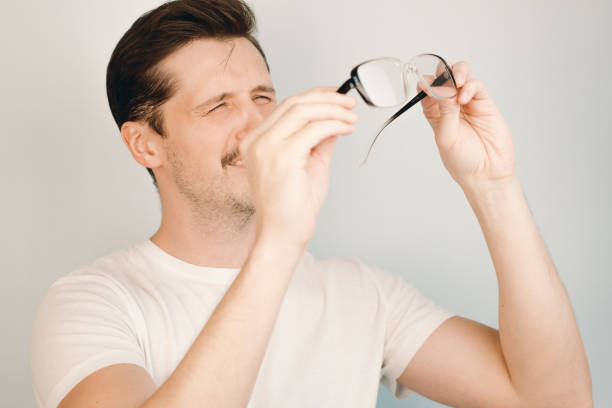
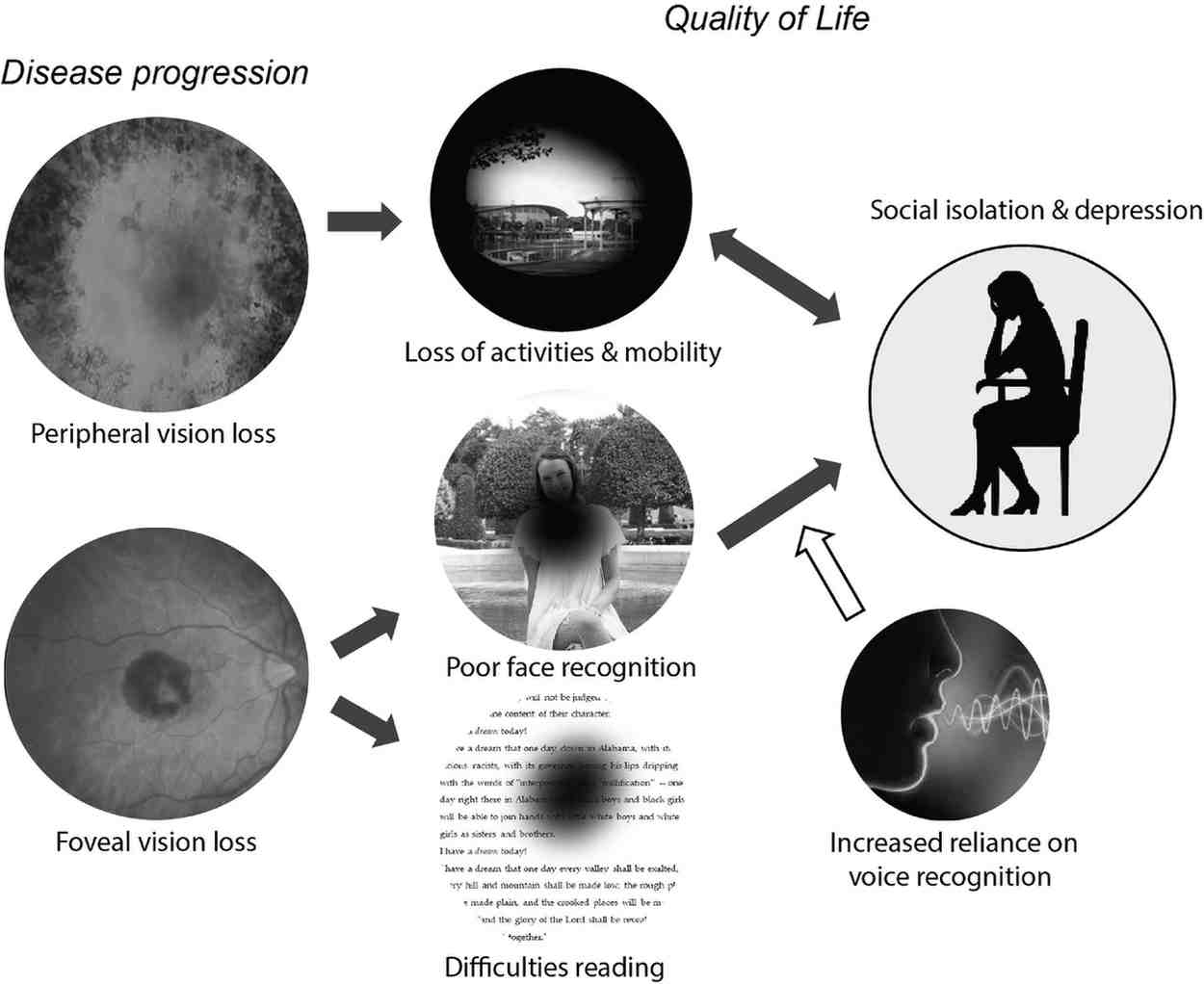
Common Symptoms of Low Vision

  • • Blurred or distorted central vision
  • • Loss of peripheral (side) vision
  • • Difficulty recognizing faces
  • • Trouble reading, even with glasses
  • • Need for brighter lighting while reading
  • • Poor night vision and glare sensitivity
  • • Dark or empty spots in the field of vision
  • • Difficulty with daily tasks like cooking, writing, or mobility
Symptoms of Low Vision

Causes of Low Vision

Low vision can result from several eye diseases, injuries, or genetic conditions. Common causes include:
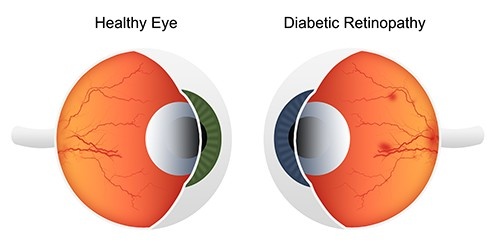
  • • Age-related Macular Degeneration (AMD)
  • • Glaucoma leading to optic nerve damage
  • • Diabetic Retinopathy in long-term diabetes
  • • Retinitis Pigmentosa and other inherited disorders
  • • Severe Myopia with retinal changes
  • • Eye injuries or trauma
  • • Corneal diseases and scarring
  • • Stroke or neurological vision loss
Causes of Low Vision

Low Vision Management Options

Though vision loss cannot always be reversed, effective management helps patients maximize their remaining sight and maintain independence:
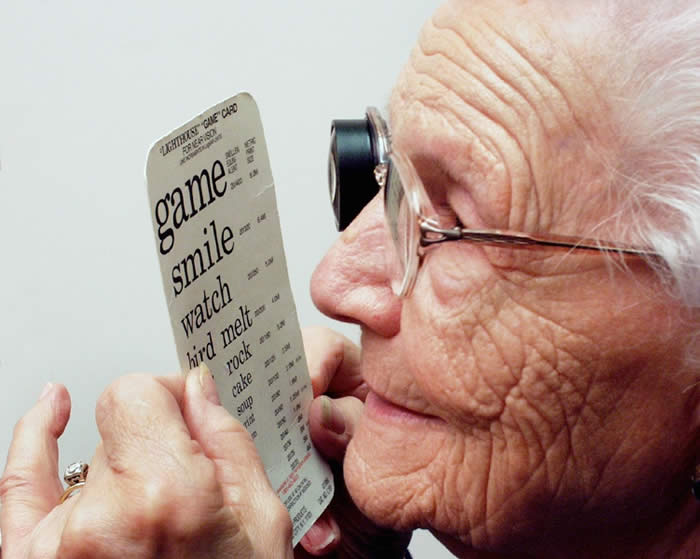
  • Optical Aids: Magnifiers, telescopic glasses, and high-powered lenses.
  • Electronic Devices: Screen readers, video magnifiers, and text-to-speech tools.
  • Adaptive Aids: Large-print books, high-contrast materials, and task lighting.
  • Orientation & Mobility Training: Techniques to improve safe navigation.
  • Rehabilitation Therapy: Customized training to perform daily activities.
  • Psychological Support: Counseling to manage lifestyle adjustments.
Low Vision Management Options

Adaptation & Daily Living Support

Living with low vision requires practical adjustments and consistent support:
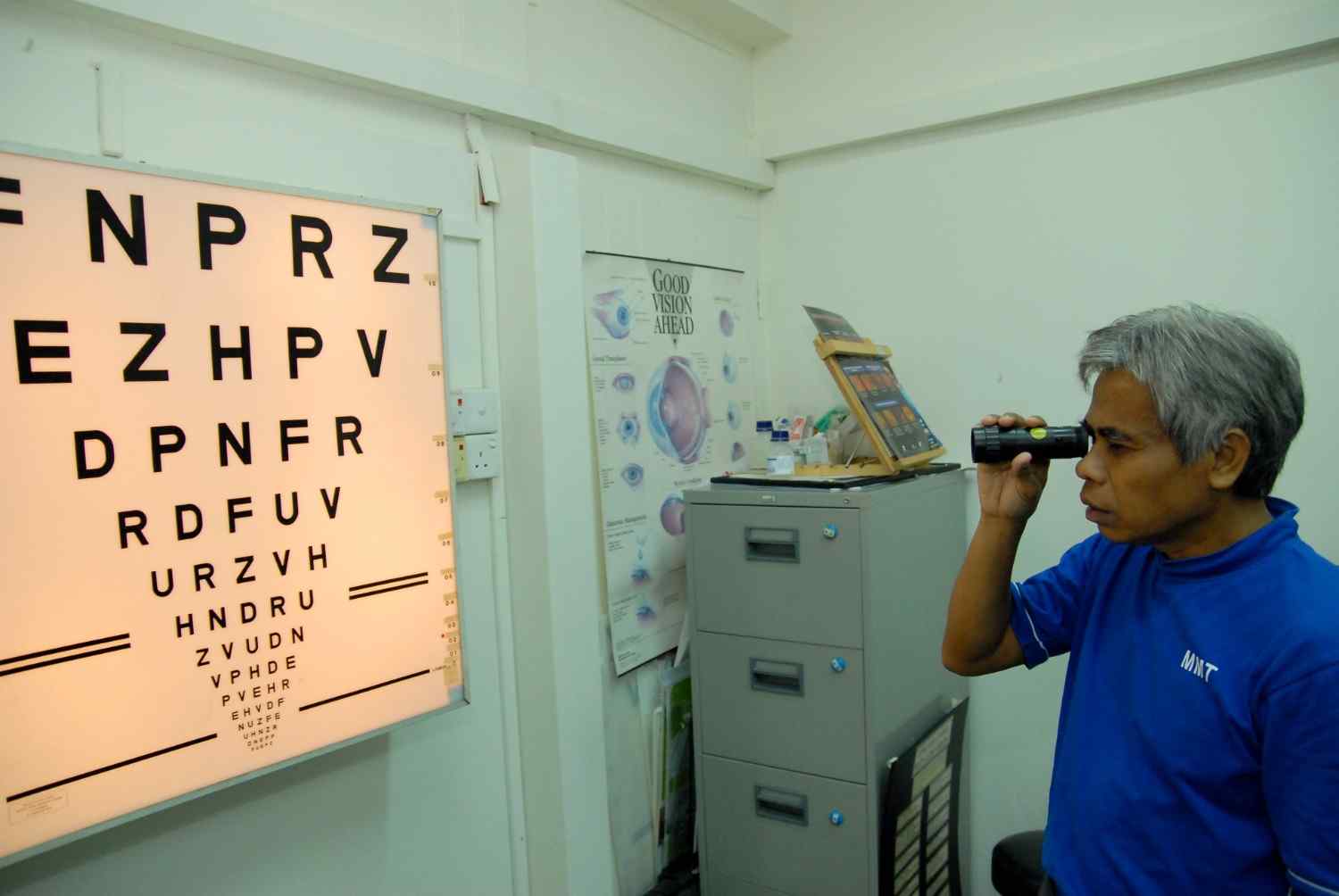
  • • Use bright lighting in living and working spaces
  • • Organize objects in predictable locations
  • • Apply contrasting colors for easier visibility
  • • Use tactile markers for appliances and switches
  • • Learn mobility skills for independent travel
  • • Seek regular follow-ups for monitoring disease progression
  • • Join support groups for emotional well-being
Adaptation for Low Vision Patients

Prevention & Eye Health Tips

  • • Schedule regular eye check-ups, especially after age 40
  • • Control diabetes, blood pressure, and cholesterol
  • • Wear sunglasses to protect from harmful UV rays
  • • Avoid smoking, as it accelerates retinal damage
  • • Eat a nutrient-rich diet with leafy greens, carrots, and omega-3s
  • • Use proper protective eyewear to prevent injuries
  • • Report any sudden vision changes immediately
Prevention Tips for Low Vision

Low Vision Management

Everything you need to know about Low Vision Management — causes, diagnosis, treatment options, and why Dr. Vishal Maniar is trusted for advanced care and rehabilitation in patients with reduced vision.

What is Low Vision Management

What is Low Vision?

Low vision is a condition where eyesight cannot be fully corrected with glasses, contact lenses, medication, or surgery. It affects daily activities like reading, driving, or recognizing faces. Through Low Vision Management, patients are supported with specialized care and rehabilitation to maximize remaining vision and maintain independence.
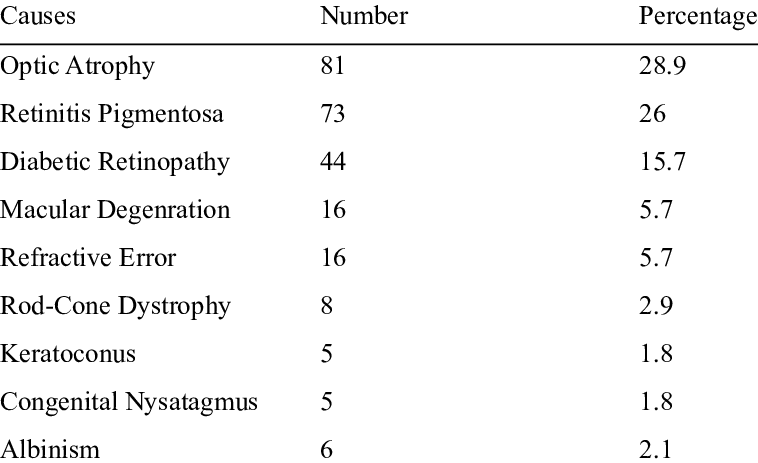
Causes of Low Vision

Causes of Low Vision

  • Macular Degeneration: Damage to the central retina affecting fine vision.
  • Glaucoma: Progressive optic nerve damage leading to tunnel vision.
  • Diabetic Retinopathy: Vision loss due to complications of diabetes.
  • Cataracts (advanced/untreated): Clouding of the natural lens.
  • Retinitis Pigmentosa: Genetic disorder causing night blindness and vision narrowing.
  • Trauma or Eye Injuries: Permanent damage to eye structures.
  • Neurological Disorders: Stroke, brain injury, or optic nerve damage.
Diagnosis of Low Vision

Diagnosis

  • Comprehensive Eye Exams: To assess vision impairment beyond regular glasses correction.
  • Visual Acuity & Field Tests: Measure central and side vision clarity.
  • Contrast Sensitivity Tests: Detect difficulty in distinguishing shades.
  • OCT & Fundus Imaging: For retinal and macular conditions.
  • Functional Vision Assessments: Evaluate real-life visual challenges.
Who Needs Low Vision Management

Who Needs Low Vision Management?

  • Patients with permanent vision loss not correctable by surgery or glasses.
  • Individuals with advanced eye diseases like AMD, glaucoma, or diabetic retinopathy.
  • Those struggling with daily tasks despite using corrective lenses.
  • Children or adults with inherited retinal diseases.
  • Anyone with vision reduction after eye injury or neurological conditions.
Benefits of Low Vision Management

Benefits

  • Improved independence in daily activities.
  • Use of low vision aids like magnifiers, telescopic lenses, and electronic devices.
  • Personalized training to adapt to vision loss.
  • Better emotional well-being and reduced frustration.
  • Enhanced safety and mobility indoors and outdoors.
Risks of Ignoring Low Vision

Risks if Ignored

Ignoring low vision can lead to severe lifestyle limitations, accidents, emotional distress, and social isolation. Unlike common vision issues, low vision cannot be fixed by standard glasses. With timely intervention and low vision rehabilitation under Dr. Vishal Maniar, patients regain independence, confidence, and improved quality of life.