Pterygium Surgery

Pterygium Surgery

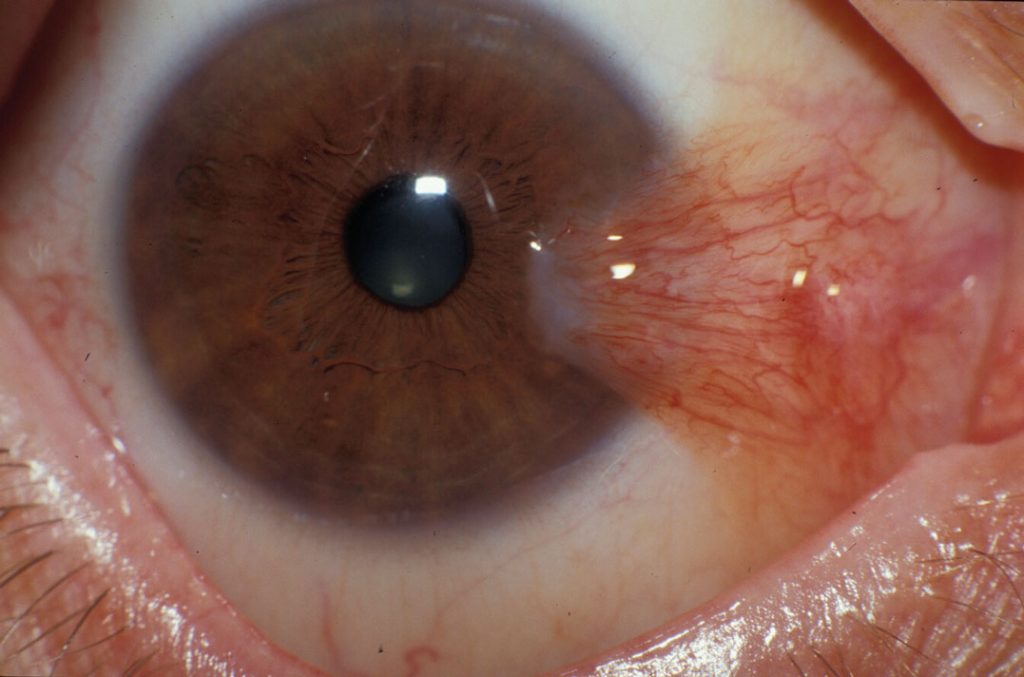
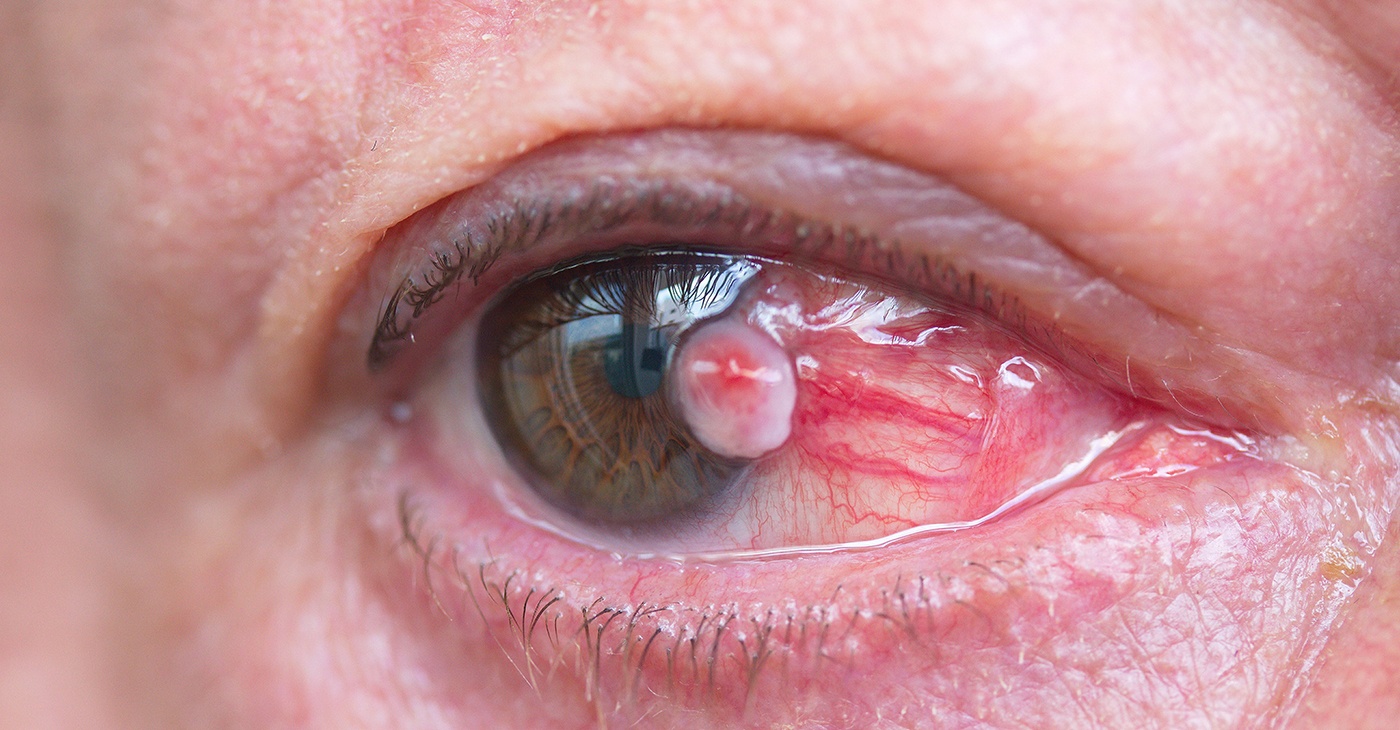
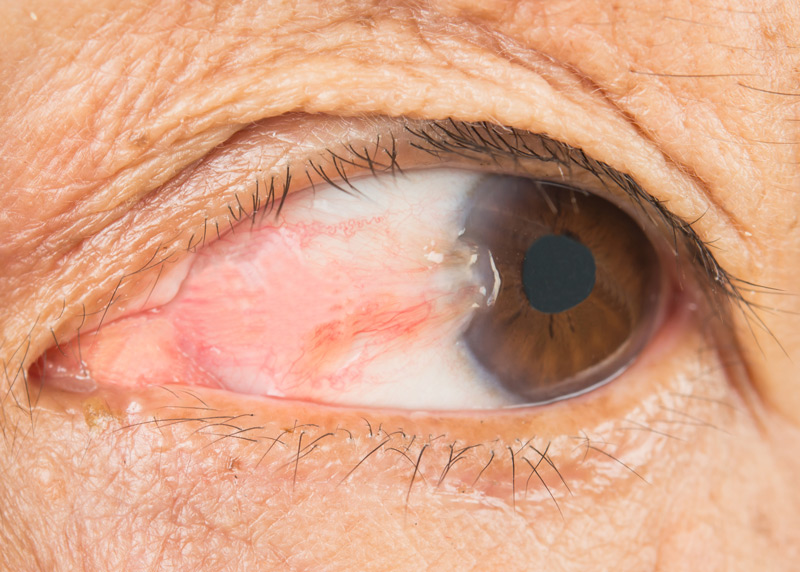
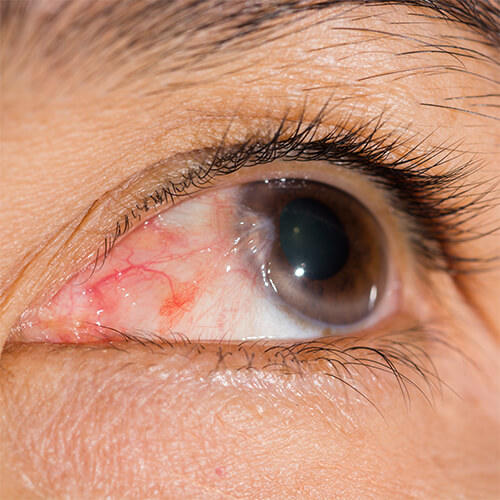
Pterygium is a benign, wedge-shaped growth of tissue on the white part of the eye (conjunctiva) that can extend onto the cornea. It is commonly caused by prolonged exposure to sunlight, dust, wind, or dry environments. While often painless, it can lead to irritation, redness, blurred vision, or cosmetic concerns.

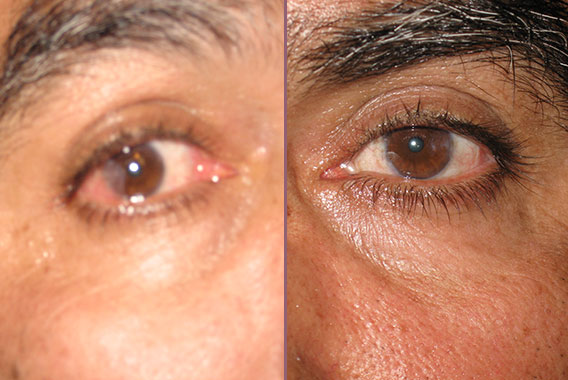
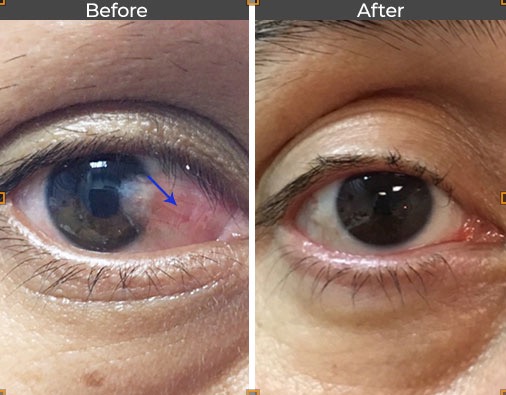
At Dr. Vishal Maniar’s Eye Clinic, we specialize in advanced Pterygium Surgery, where the growth is carefully removed and replaced with a conjunctival autograft. This modern technique reduces recurrence rates and ensures a smoother, natural-looking eye surface.

Pterygium surgery not only restores clear vision and comfort but also enhances the cosmetic appearance of the eye. With expert surgical care and advanced techniques, patients enjoy safe, effective, and lasting results.
Pterygium Surgery by Dr. Vishal Maniar

Pterygium Surgery

Learn about symptoms, causes, treatment options, recovery, and prevention of pterygium (surfer’s eye) with expert surgical care by Dr. Vishal Maniar.
Symptoms of Pterygium

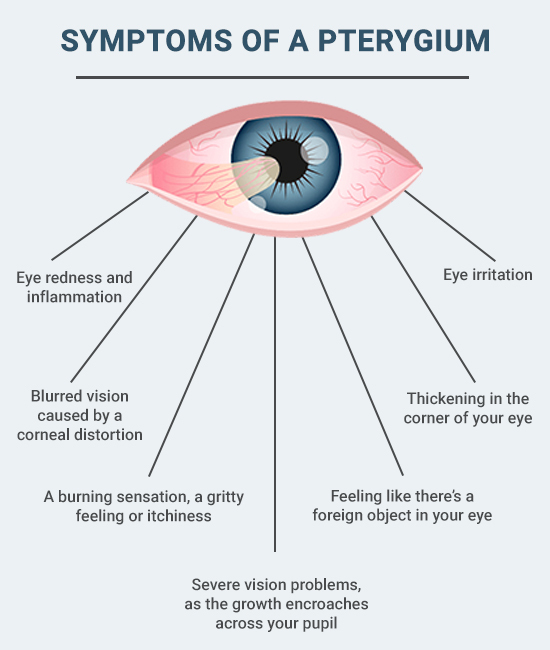
  • • A fleshy, triangular growth on the white part of the eye
  • • Redness, irritation, or burning sensation
  • • Feeling of something stuck in the eye (foreign body sensation)
  • • Blurred or distorted vision if it grows over the cornea
  • • Dryness, itching, or frequent tearing
  • • Cosmetic concerns due to visible eye growth
Symptoms of Pterygium

Causes of Pterygium

Pterygium is primarily linked to environmental exposure and lifestyle factors. Common causes and risk factors include:
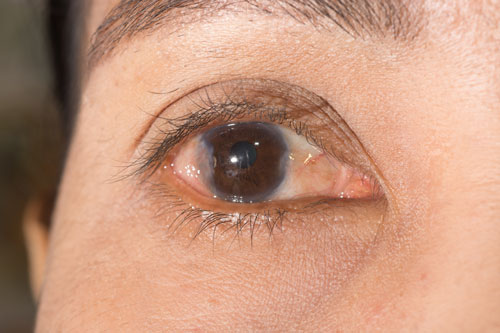
  • • Prolonged exposure to UV rays (sunlight)
  • • Dusty, windy, or smoky environments
  • • Chronic eye irritation or dryness
  • • Living in hot, sunny climates (farmers, surfers, outdoor workers)
  • • Genetic predisposition in some individuals
Causes of Pterygium

Treatment Options

The treatment depends on the severity of the pterygium and its effect on vision or appearance:
  • Lubricating Eye Drops: For mild irritation and dryness.
  • Anti-inflammatory Drops: To reduce redness and swelling.
  • Pterygium Surgery: Recommended if growth threatens vision, causes discomfort, or cosmetic concerns.
  • Conjunctival Autograft Technique: The gold-standard surgical method that minimizes recurrence by replacing the removed tissue with healthy conjunctiva.
Pterygium Treatment Options

Recovery & Aftercare

Recovery after pterygium surgery is smooth with proper care. Patients can expect:
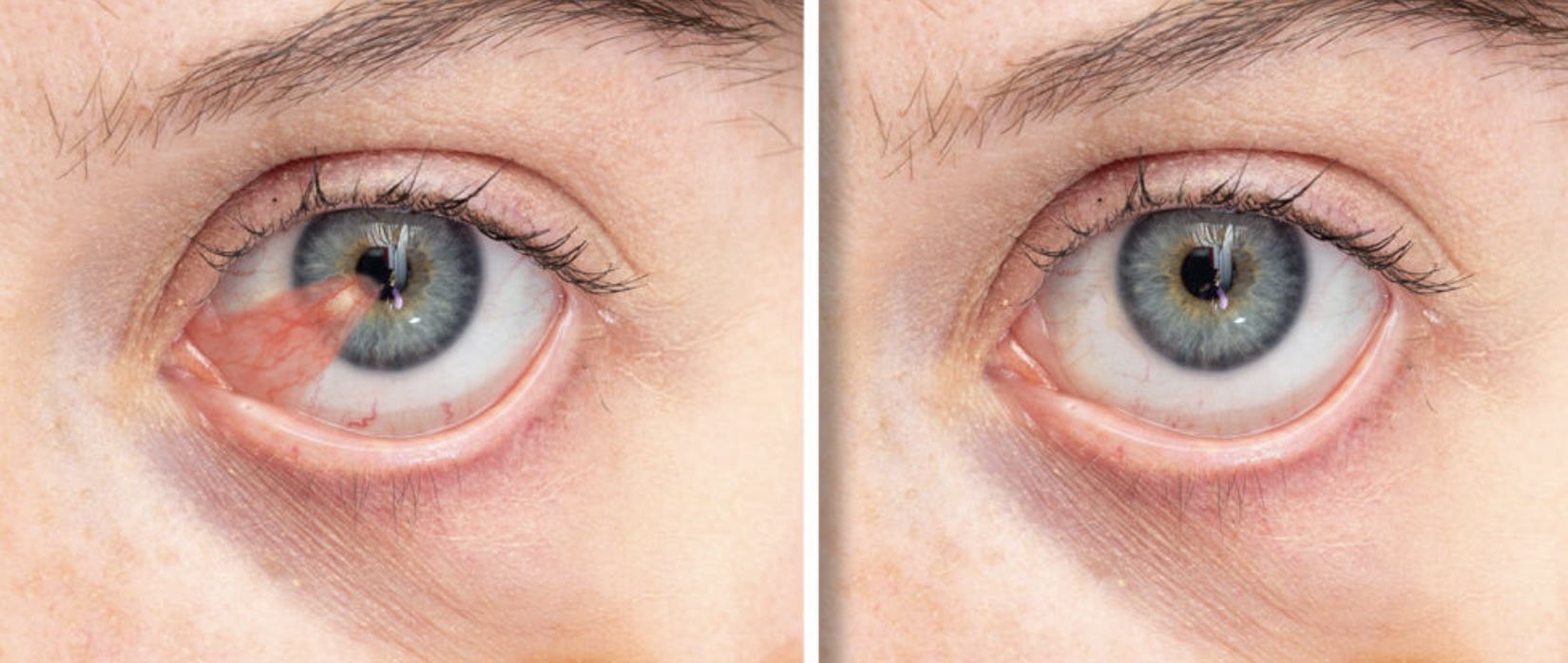
  • • Mild redness or irritation for a few days
  • • Use of prescribed eye drops to prevent infection and recurrence
  • • Wearing protective sunglasses outdoors
  • • Avoiding swimming, rubbing eyes, and dusty environments for 2–3 weeks
  • • Most patients resume normal activities within 1 week
  • • Follow-up visits to ensure proper healing
Pterygium Surgery Recovery

Prevention & Eye Care Tips

  • • Wear UV-protective sunglasses while outdoors
  • • Use wide-brimmed hats to shield eyes from sunlight
  • • Keep eyes moist with lubricating drops in dry/windy climates
  • • Avoid direct exposure to dust, smoke, and pollutants
  • • Take breaks during outdoor activities to rest the eyes
  • • Regular eye check-ups for early detection
Preventing Pterygium

Pterygium Surgery

Everything you need to know about Pterygium Surgery — symptoms, diagnosis, treatment options, and why Dr. Vishal Maniar is trusted for safe and advanced eye care.
What is Pterygium Surgery

What is Pterygium?

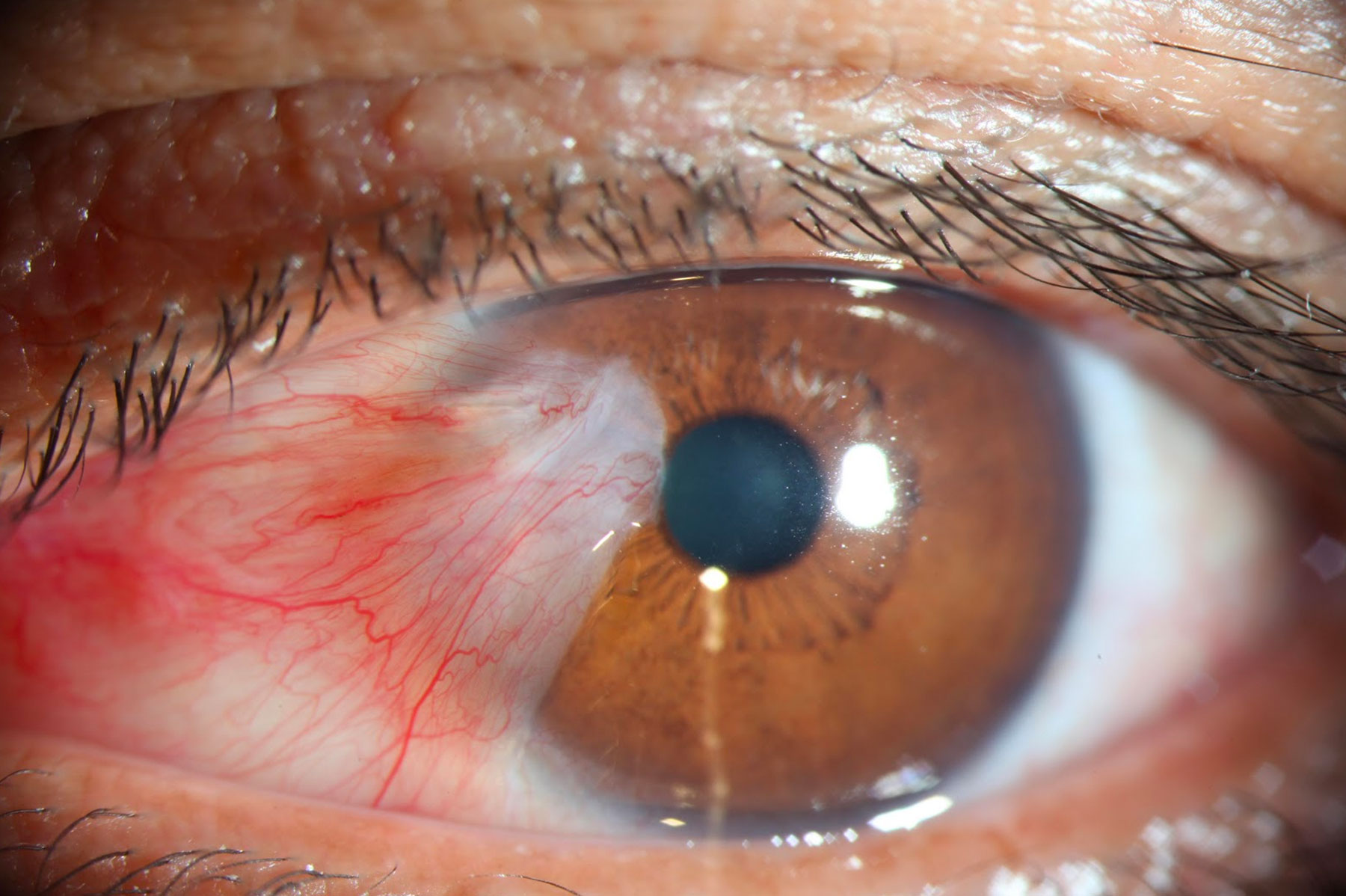
A Pterygium is a non-cancerous, wing-shaped growth of tissue on the white part of the eye (conjunctiva) that can extend onto the cornea. It is often caused by excessive exposure to sunlight, dust, wind, or dry environments. While small pterygia may not cause major problems, larger growths can lead to irritation, redness, cosmetic concerns, or even vision impairment.
Types of Pterygium

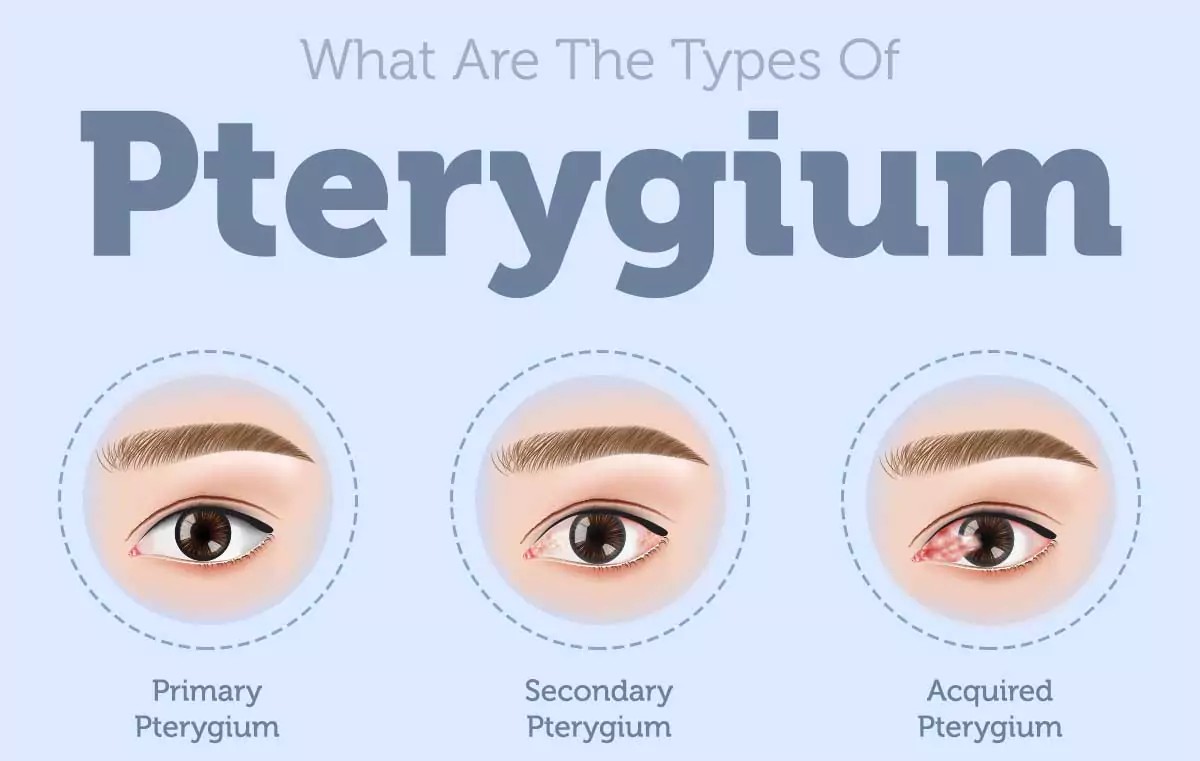
Types of Pterygium

  • Progressive Pterygium: Grows steadily toward the cornea and can affect vision.
  • Atrophic Pterygium: Thin, less vascularized growth with slow progression.
  • Recurrent Pterygium: Growth that reappears after prior removal.
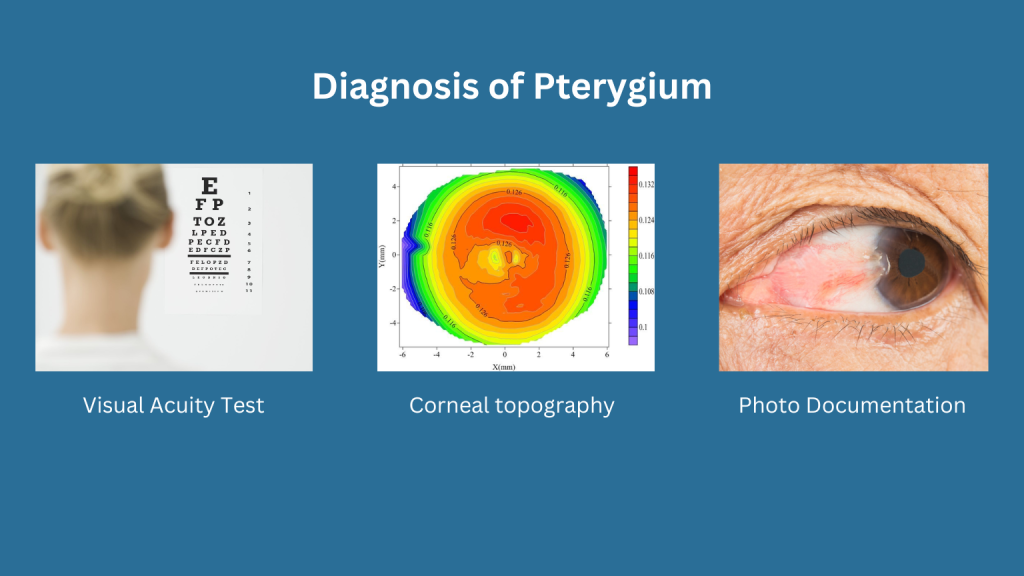
Diagnosis of Pterygium

Diagnosis

  • Slit-Lamp Examination: To assess the size, thickness, and corneal involvement.
  • Visual Acuity Tests: To check if the pterygium is affecting sight.
  • Corneal Topography: Identifies astigmatism caused by the growth.
  • Patient History: Evaluates sun, wind, or dust exposure.
Candidate for Pterygium Surgery

Who is a Candidate?

  • Patients with large or progressive pterygium affecting cornea or vision.
  • Individuals with constant eye irritation, redness, or dryness.
  • Those with cosmetic concerns due to visible growth.
  • Patients with recurrent pterygium after previous surgery.
Benefits of Pterygium Surgery

Benefits of Pterygium Surgery

  • Removes growth to restore clear and healthy eye surface.
  • Improves vision clarity affected by corneal involvement.
  • Reduces irritation, redness, and discomfort.
  • Enhances cosmetic appearance of the eyes.
  • Prevents progression and recurrence with advanced techniques.
Risks of Pterygium Surgery

Risks

Pterygium surgery is safe, but possible risks include temporary redness, irritation, recurrence of the growth, scarring, or rare infection. With modern techniques like conjunctival autograft and Dr. Vishal Maniar’s expertise, recurrence is significantly reduced and long-term outcomes are excellent.