Cornea Surgery

Cornea Surgery

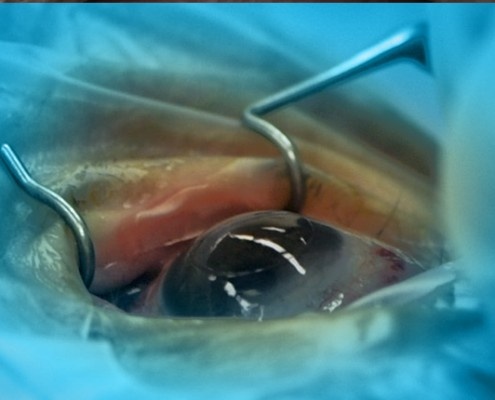
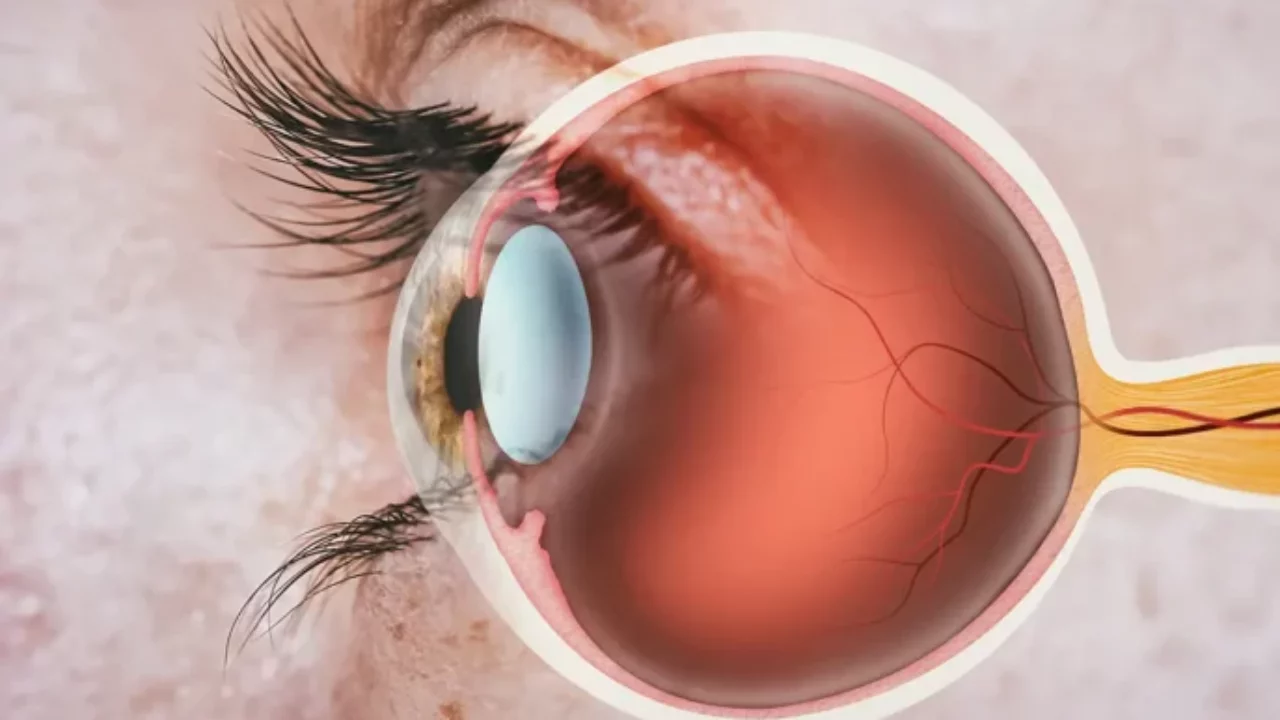
Cornea is the transparent front layer of the eye that focuses light and protects the inner structures. Conditions such as keratoconus, corneal scars, infections, or thinning can damage the cornea, leading to blurred vision or even vision loss. In advanced cases, corneal surgery may be necessary to restore clarity and protect eye health.

At Dr. Vishal Maniar’s Eye Clinic, we offer advanced corneal treatments and surgical procedures, including corneal transplants, DSEK, DMEK, and lamellar keratoplasty. With over 17 years of expertise and state-of-the-art technology, Dr. Maniar ensures safe, effective, and personalized care to improve vision and enhance quality of life.
Cornea Surgery by Dr. Vishal Maniar

Cornea Surgery

Discover symptoms, causes, treatment options, recovery, and prevention for corneal conditions with expert care by Dr. Vishal Maniar.
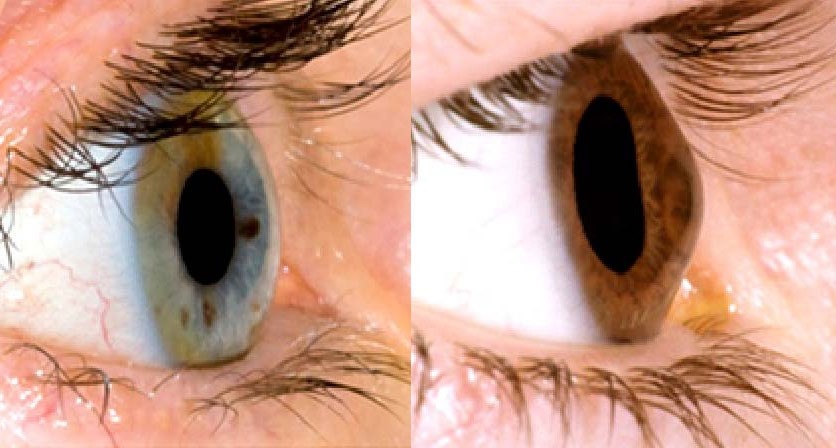
Symptoms of Corneal Diseases

  • • Blurred or cloudy vision
  • • Sensitivity to light (photophobia)
  • • Frequent eye redness or irritation
  • • Excessive tearing or dryness
  • • Eye pain or discomfort
  • • Halos or glare around lights
  • • Distorted or double vision
  • • Scarring or visible opacity on the cornea
Symptoms of Corneal Disease

Causes of Corneal Problems

Corneal diseases and injuries can damage the clear front part of the eye, leading to vision problems. Major causes include:
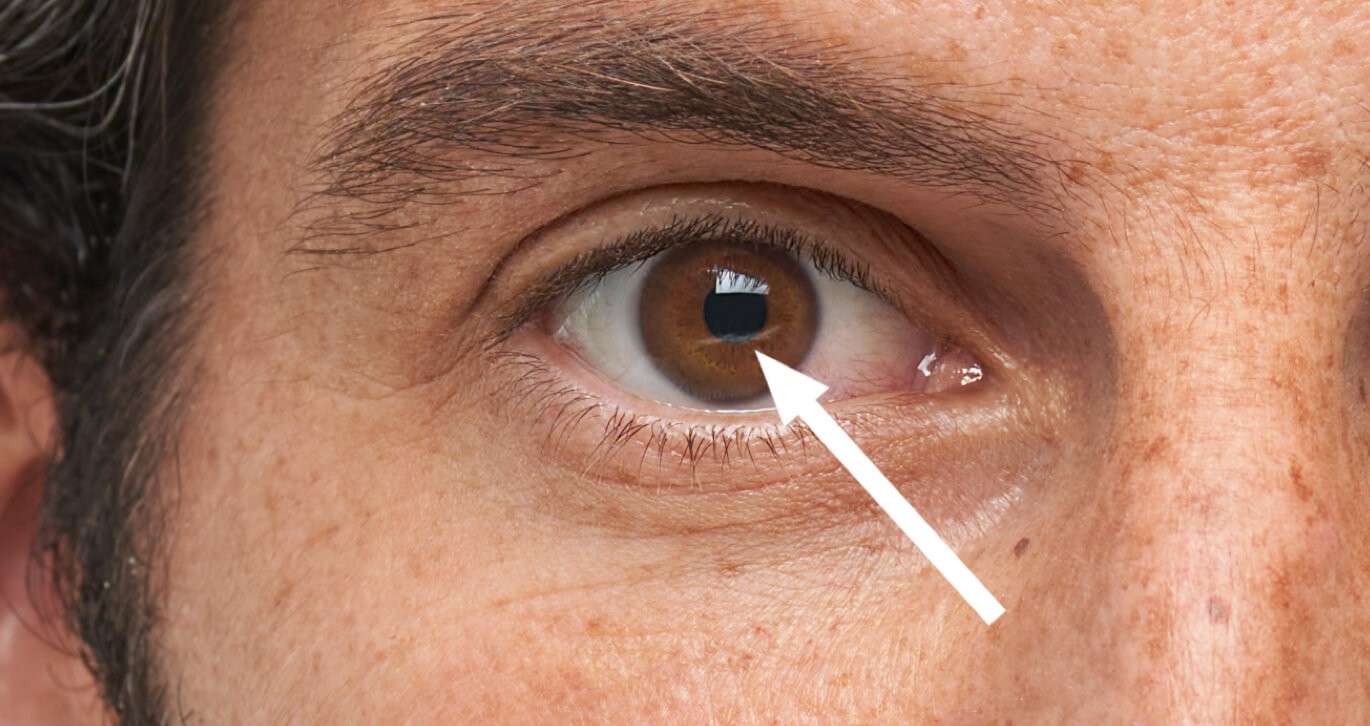
  • • Infections (bacterial, viral, or fungal keratitis)
  • • Eye injuries or trauma
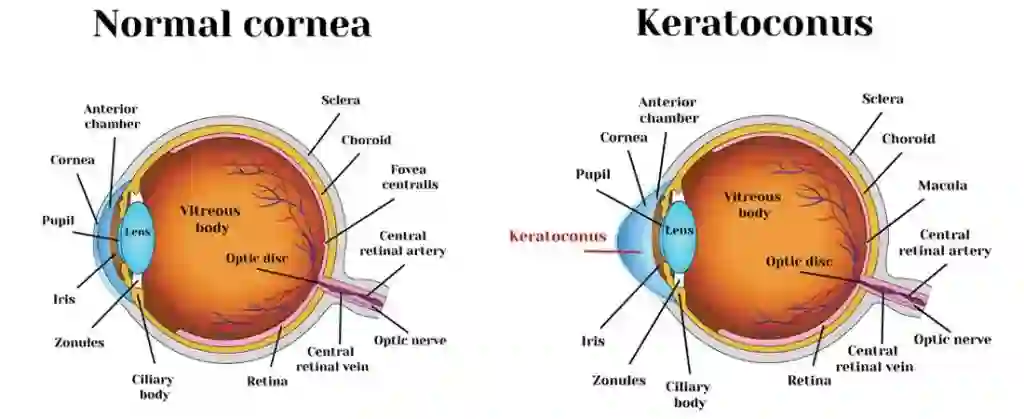
  • • Keratoconus (thinning and bulging of cornea)
  • • Corneal dystrophies (inherited conditions)
  • • Severe dry eyes
  • • Contact lens overuse or misuse
  • • Chemical burns
  • • Post-surgical complications
Causes of Corneal Damage

Treatment Options

Corneal surgery helps restore vision and relieve discomfort. Treatment options include:
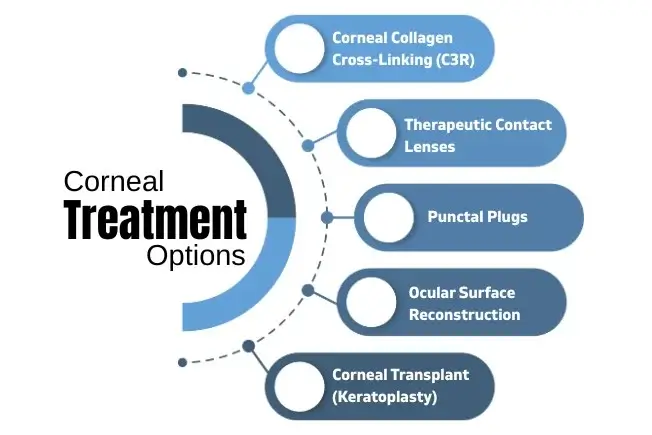
  • Medications & Eye Drops: Antibiotics, antifungals, or lubricants for infections and dryness.
  • Corneal Cross-Linking (CXL): Strengthens cornea in keratoconus patients.
  • Phototherapeutic Keratectomy (PTK): Removes superficial corneal scars or opacities using a laser.
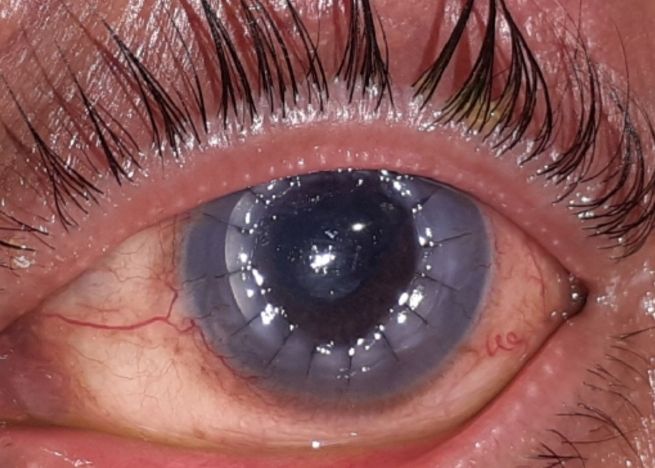
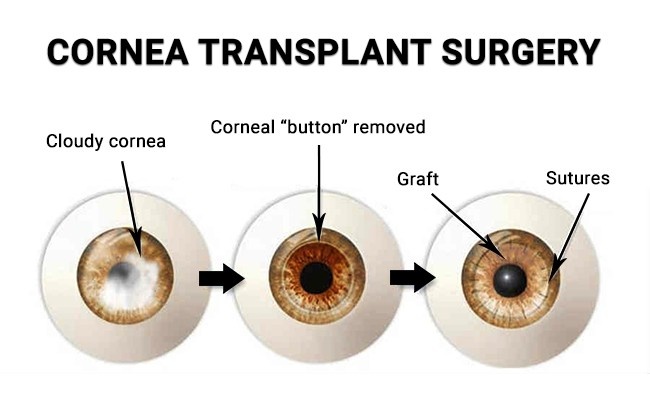
  • Partial Corneal Transplant (DSEK/DMEK): Replaces only damaged corneal layers.
  • Full-Thickness Corneal Transplant (PK): For severe corneal damage or scarring.
  • Artificial Cornea (Keratoprosthesis): For patients unsuitable for traditional transplants.
Cornea Treatment Options

Recovery & Aftercare

Recovery from corneal surgery depends on the type of procedure. Careful follow-up is essential for best outcomes:
  • • Use prescribed eye drops regularly
  • • Avoid rubbing or pressing on the eye
  • • Wear protective eyewear outdoors
  • • Avoid swimming or dusty environments until cleared
  • • Limit heavy lifting and physical strain
  • • Sleep with head elevated after transplant surgery
  • • Attend regular follow-up visits for monitoring
Cornea Surgery Recovery

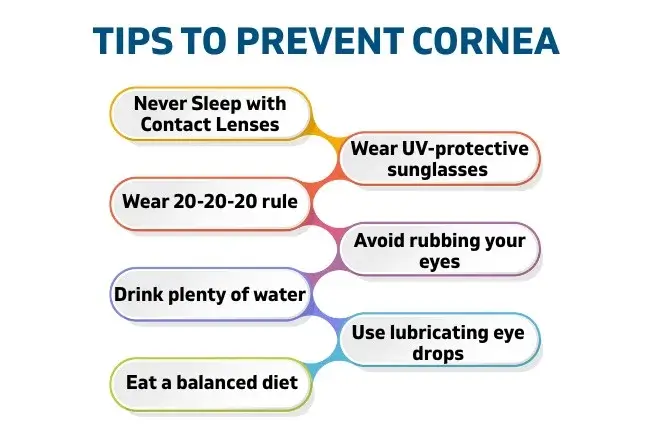
Prevention Tips

  • • Maintain good contact lens hygiene
  • • Protect eyes from injuries with safety glasses
  • • Get prompt treatment for eye infections
  • • Manage chronic conditions like dry eyes and diabetes
  • • Eat a diet rich in omega-3s, vitamin A, and antioxidants
  • • Avoid rubbing eyes excessively
  • • Schedule regular eye exams for early detection
Preventing Corneal Diseases

Cornea Surgery

Everything you need to know about corneal diseases — symptoms, diagnosis, treatment, and why Dr. Vishal Maniar is trusted for advanced corneal care.
What is Corneal Disease

What is Corneal Disease?

The cornea is the clear, dome-shaped surface at the front of the eye that focuses light. Corneal diseases, infections, or injuries can cause clouding, scarring, swelling, or thinning, leading to vision loss if not treated properly.
Types of Corneal Conditions

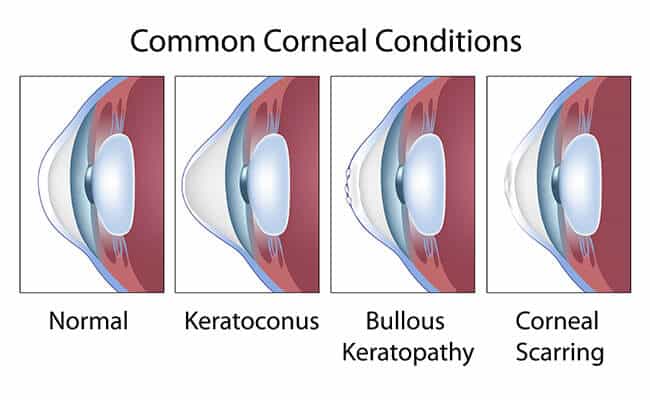
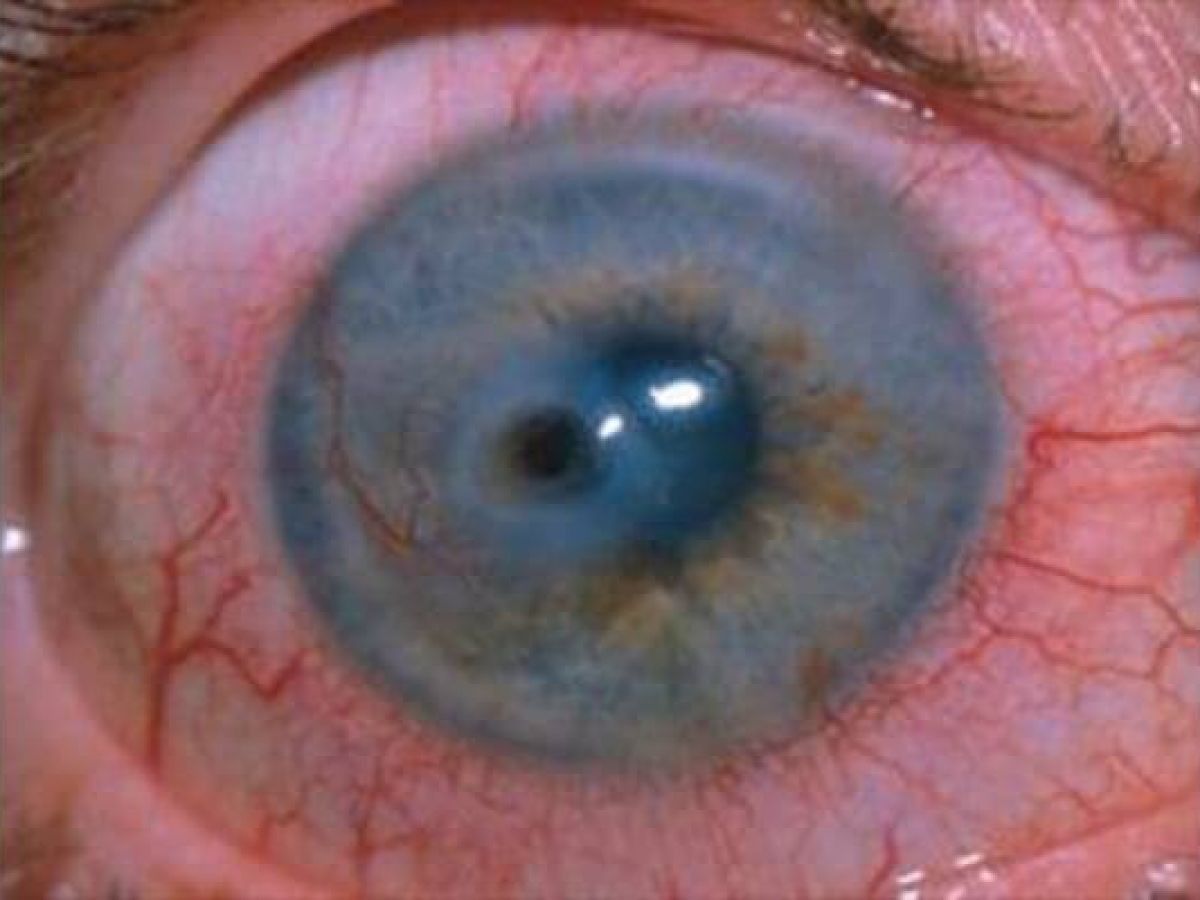
Types of Corneal Conditions

  • Keratoconus: Thinning and bulging of the cornea
  • Corneal Dystrophies: Inherited conditions causing clouding
  • Infectious Keratitis: Bacterial, viral, or fungal infection
  • Corneal Ulcers: Open sores on the cornea
  • Corneal Scarring: From injury or surgery
  • Fuchs’ Dystrophy: Damage to corneal inner layer cells
Diagnosis of Corneal Diseases

Diagnosis

  • Slit-Lamp Exam: Detailed examination of cornea
  • Corneal Topography: Maps corneal shape and curvature
  • Pachymetry: Measures corneal thickness
  • Specular Microscopy: Examines corneal cell layers
  • OCT Scan: Provides cross-sectional images
Candidate for Cornea Surgery

Who is a Candidate?

  • Patients with severe corneal scarring or opacity
  • Progressive keratoconus or corneal thinning
  • Vision loss uncorrectable with glasses or contact lenses
  • Corneal swelling due to endothelial cell loss
  • Chronic corneal infections or ulcers
Benefits of Cornea Surgery

Benefits

  • Restores clear and sharp vision
  • Reduces pain and discomfort
  • Improves daily life and independence
  • Prevents further corneal damage
  • Long-lasting results with advanced techniques
Risks of Cornea Surgery

Risks

Cornea surgery is highly successful, but risks may include infection, graft rejection, scarring, astigmatism, or temporary vision fluctuations. Most issues can be managed with timely care and follow-up.